Why Choose a Solar System with Battery Storage?
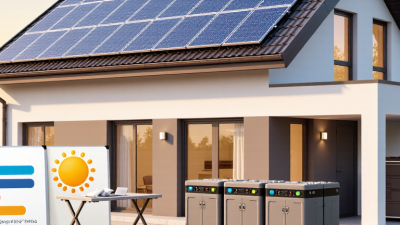
A solar system with battery storage can do more than lower a home’s daytime grid use. It can save surplus solar electricity for evening lights, a refrigerator, or a quiet night when panels produce little. That stored energy may also provide backup during an outage, depending on the equipment and how the system is configured. The benefit is practical, but not unlimited.
Elon Musk, a prominent figure in the solar and battery-storage industry, said, “The goal is to fundamentally change the way the world uses energy.” A solar system with battery storage puts part of that idea into everyday use: rooftop panels generate power, while a battery shifts some of it to later hours. In the morning, a homeowner might see the battery’s charge level on a monitoring app before running the dishwasher. Small details matter. Battery capacity, household demand, seasonal sunlight, and backup settings all affect what the system can actually provide. One battery may not run every appliance through a long outage, and savings depend on local electricity rates and system costs. It is easy to overestimate the promise. A careful design starts with real usage data, not an appealing equipment quote. The sections ahead explain how storage works, where it helps, what it costs, and what to check before choosing a system.
How Solar Panels and Battery Storage Work Together
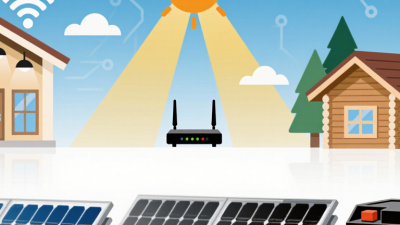
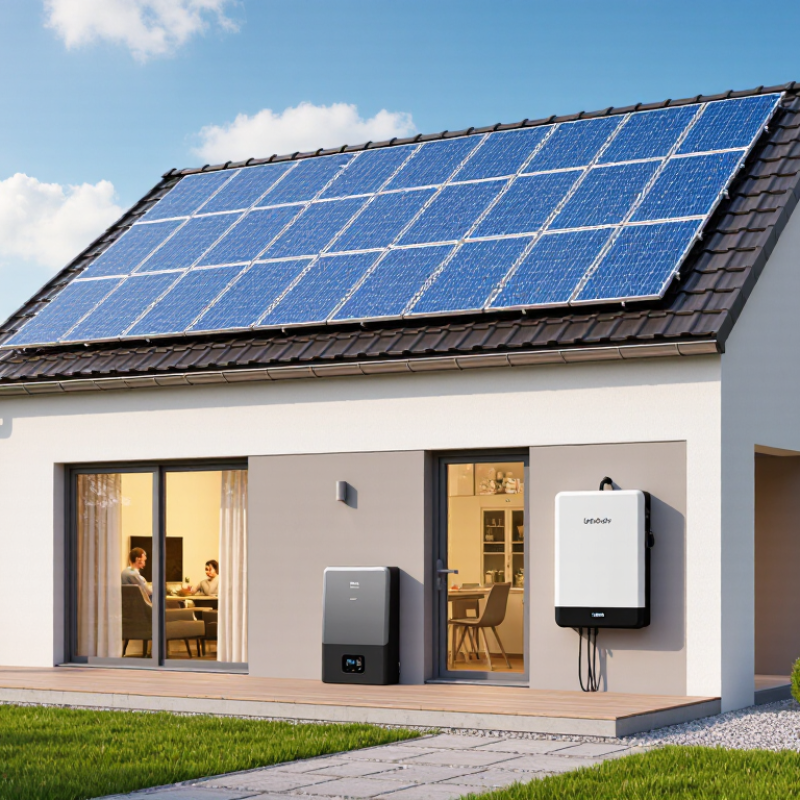
Solar panels turn daylight into direct-current electricity. An inverter converts that energy into alternating current for household appliances. When panels produce more power than the home needs, a compatible system can send the surplus to a battery. Some systems manage this flow through a hybrid inverter; others use separate equipment.
The battery stores energy for later use. After sunset, or when clouds reduce solar output, the system can draw from that stored charge before using grid electricity, depending on its settings. Not magic. Charging and discharging involve energy losses, so the electricity returned is less than the amount originally stored. Battery capacity, power output, and household demand all affect how long stored energy lasts.
In real homes, the neat diagram gets messier. A refrigerator, lights, and internet equipment may keep running during an outage only if they are connected to supported backup circuits. A battery also cannot supply unlimited power, and cloudy weather may slow recharging. The system’s controls decide when to save energy, use it, or export it, so settings matter. It is worth checking which circuits are backed up and how much usable capacity remains after normal evening use. Those details can change what “backup power” means in practice.
How Stored Solar Energy Supports Power Use After Sunset
Why Choose a Solar System with Battery Storage?
Solar panels often produce more electricity around midday than a home needs. A battery can store some of that surplus for evening use, when lights, cooking, and screens draw power after the sun has set. That changes the evening routine.
Stored energy does not mean unlimited energy. A battery’s usable capacity, the inverter’s output, and household demand all affect how long it can supply power. For example, running a refrigerator and a few lights may use less energy than adding an electric oven or space heater. The numbers can be humbling. Reviewing hourly electricity use can help set realistic expectations.
Battery settings may also let homeowners reserve a portion for outages, if the system is configured for backup. This can leave less energy available for routine evening use, so the balance depends on local conditions and personal priorities. Solar production also changes with season, cloud cover, and roof shade. A winter day may not refill a battery as expected. Checking performance over time, rather than relying on a single sunny day, gives a clearer picture of how stored solar energy supports a household after sunset.
How Battery Storage Improves Energy Independence and Resilience
A solar energy system with battery storage can provide more control over when household electricity is used. Panels often generate most of their power during daylight, while many homes use more energy in the evening. A battery stores some surplus electricity for later, reducing reliance on the grid after sunset.
That shift can be useful during peak-rate periods, though actual savings depend on local utility rates, system size, and household habits. It is not magic.
Storage can also improve resilience during a grid outage, but only if the system is designed to provide backup power. A qualified installer can help identify essential circuits, such as a refrigerator, lights, or medical equipment, and estimate how long a battery may support them.
Battery capacity and power output both matter: a unit may hold plenty of energy but still be unable to run several large appliances at once. Cloudy weather can also limit recharging, especially after a long outage.
A practical setup may leave some circuits uncovered, and that trade-off deserves honest planning before installation. Knowing what will stay on—and for how long—makes energy independence more realistic.
How Solar Batteries Can Reduce Grid Dependence and Electricity Costs
Solar panels often produce their most electricity around midday, when many households use relatively little. Without a battery, extra power may flow to the grid, depending on the system and local arrangements. A home battery can store some of that daytime energy for evening use. It may keep lights, a refrigerator, or a router running from solar power after sunset. Less grid power.
Using stored electricity can reduce how much energy a household buys, but savings vary. Electricity rates, export credits, battery size, and household routines all matter. In areas with higher evening rates, shifting solar energy into those hours may be especially useful. A family that runs laundry and cooking appliances after work might use more stored power than one with steady daytime demand.
There are trade-offs. Batteries cost money, lose some energy during charging and discharging, and may not cover every appliance during an outage. A careful estimate should compare expected bill savings with installation costs and the battery’s usable capacity. There is no perfect forecast; weather and habits change. Reviewing hourly electricity use can reveal whether storage fits a home, rather than simply choosing the largest battery.
What to Consider When Choosing a Solar Battery System
Choosing a solar battery system starts with your household’s actual electricity use, not the largest capacity available. Review a year of bills and note when heavy loads run. A refrigerator, internet router, and a few lights need far less power than electric heating or an oven. That difference matters. Ask how much energy the battery can use, not only its advertised capacity. A 10 kWh battery may provide less than 10 kWh of usable energy, depending on its design and settings.
Check the battery’s continuous power rating alongside its storage capacity. A system may hold enough energy overnight but struggle to start a pump or run several appliances together. Confirm which circuits can receive backup power, and whether the inverter is compatible with the battery. Check warranty terms for coverage length, expected remaining capacity, and energy throughput. Also consider where the unit will sit: temperature, ventilation, access, and installation space can affect performance and maintenance. It is tempting to calculate savings from ideal conditions. Real homes are messier, and cloudy weeks or changing routines can shift results. Ask an installer to explain assumptions in writing, then compare options using your own usage patterns.
Why Choose a Solar System with Battery Storage?
What to Consider When Choosing a Solar Battery System
More usable battery capacity can provide longer backup runtime. These values are calculated at a constant 1 kW load (capacity in kWh ÷ load in kW) and exclude inverter losses. Actual runtime depends on household usage, battery limits, and system efficiency.