China Top 10 Solar Panel and Battery Kit Suppliers

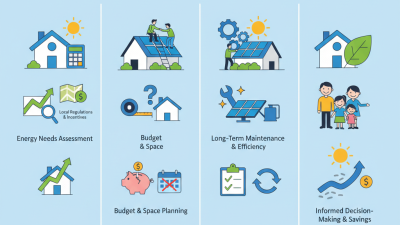
Choosing a solar panel and battery kit is not just a price comparison. It is a decision about daily energy use, local sunlight, installation space, and backup needs. A family running a refrigerator, lights, and a router will need a different setup from a cabin with occasional weekend use. Small details matter: battery capacity, inverter output, panel efficiency, warranty terms, and whether components work together. Some supplier pages make comparison harder than it should be. That deserves scrutiny.

A useful editorial principle, informed by solar researcher Dr. Eicke Weber’s systems-focused work—not a verified verbatim quotation—is: “A reliable solar kit matches energy generation, storage, and real household demand.” This guide examines China’s top 10 solar panel and battery kit suppliers through that practical lens. It considers product range, manufacturing experience, certifications, customization, and after-sales support. Specifications can look impressive on paper. Real-world performance still depends on system design and operating conditions.

Readers should compare like with like: usable battery capacity, continuous inverter power, panel output, and warranty coverage. Ask suppliers for clear datasheets and test documentation. Check how they handle replacement parts and technical questions. A polished catalogue is not proof of dependable service. Nor does a lower quote always mean better value. This overview offers a starting point, not a substitute for project-specific checks. Before choosing a supplier, verify current specifications and confirm that the proposed kit suits your site and expected loads.
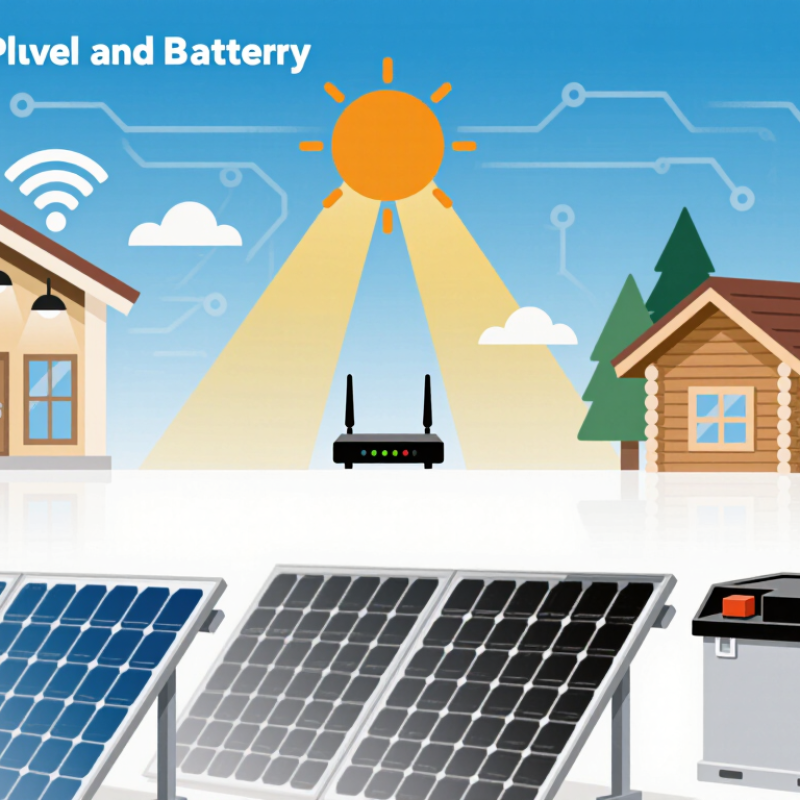
China Top 10 Solar Panel and Battery Kit Suppliers

What Solar Panel and Battery Kits Include

A solar panel and battery kit usually combines photovoltaic panels, a charge controller, a battery, and the wiring that connects them. Some packages also include an inverter, mounting rails, fuses, and monitoring equipment. A kit is more than panels. The small parts matter.

Panels produce direct-current electricity, while the controller regulates charging to help protect the battery. The battery stores energy for later use, such as running lights after sunset. An inverter may convert stored electricity into alternating current for common household appliances. Not every kit includes one, so check the listed components before comparing prices. A display or app can show charging status, but readings are only useful when the system is configured correctly.

Capacity and compatibility deserve close attention. A battery’s usable energy, measured in kilowatt-hours, helps indicate how long selected devices may run. Panel output varies with sunlight, shade, angle, and season; a neat rating on a box cannot promise the same daily production at every site. Confirm that the controller supports the panel array and battery type, and check cable lengths and connector details. Mounting hardware may not suit every roof or ground surface. Small gaps in a package description can cause real delays. I have seen buyers focus on panel wattage and overlook an inverter’s power limit; it is an easy mistake, and worth reviewing before installation.

How China’s Solar Kit Supply Market Is Organized

China’s solar-kit supply market is organized in layers, not as one uniform group of exporters. Upstream manufacturers make wafers, cells, battery cells, and electronic controls. Module makers and pack assemblers then combine components into kits for homes, farms, or off-grid sites. The International Energy Agency reported in 2022 that China produced over 90% of the world’s solar wafers. That concentration helps explain why many kit suppliers can offer several configurations, while relying on overlapping component networks.

Battery supply is another layer. The IEA’s 2022 battery supply-chain report put China’s share of global battery-cell manufacturing capacity at about 75%. Kit suppliers may assemble packs themselves or source them from specialist manufacturers. A quote should therefore be checked beyond the panel wattage: ask for battery chemistry, usable capacity, protection features, connector types, and the exact contents of each carton. Small details matter. A technically sound kit can still disappoint if the inverter and battery settings do not match. This map is useful, though imperfect; supplier descriptions do not always reveal where every component is made. IEA figures describe industry concentration, not the reliability of any single shipment.

China Top 10 Solar Panel and Battery Kit Suppliers - How China’s Solar Kit Supply Market Is Organized

This table describes ten common supplier types in China’s solar-kit supply chain, not a ranked list of companies. Product configurations vary by project; verify specifications, certifications, factory role, and export documentation with each prospective supplier.

Supplier Type Typical Products or Kit Contents Common Buyers Role in the Supply Market Key Sourcing Checks
1. PV module manufacturers Crystalline-silicon solar modules, commonly supplied as individual panels or in bulk for kit assembly. Kit assemblers, distributors, EPC contractors, and commercial project buyers. Provide the electricity-generating component; modules are often combined with separately sourced inverters, batteries, and mounting hardware. Module model and nameplate rating, test certificates, warranty terms, packaging, and consistency between samples and production batches.
2. Battery cell and pack suppliers Battery cells, battery modules, and assembled lithium-ion storage packs; some suppliers also offer lead-acid products. Solar-kit assemblers, inverter makers, system integrators, and energy-storage distributors. Supply the storage component. Cell production and battery-pack assembly may be handled by different businesses. Cell chemistry, usable capacity, battery-management system, operating limits, safety documentation, and compatibility with the intended inverter.
3. Off-grid solar kit assemblers Packaged combinations of panels, charge controllers or hybrid inverters, batteries, cables, and optional lights or appliances. Rural electrification distributors, installers, NGOs, and retail or e-commerce buyers. Bundle components into systems designed for sites without a dependable grid connection. System wiring diagram, load assumptions, battery autonomy, included accessories, installation instructions, and local after-sales support.
4. Hybrid and off-grid inverter suppliers Inverters that convert DC power to AC; some models integrate solar charge control and battery-management communications. Kit assemblers, installers, wholesalers, and residential or commercial project developers. Coordinate power conversion and, depending on the model, solar charging, battery charging, and grid or generator inputs. Rated and surge output, grid compatibility, supported battery protocols, protection functions, certifications, and firmware support.
5. Portable power station manufacturers Portable, integrated units combining a battery, inverter, controls, and output ports; compatible solar panels may be sold separately or as a bundle. Outdoor retailers, emergency-preparedness sellers, importers, and consumer brands. Offer a ready-to-use storage product rather than a permanently installed household solar system. Usable energy, continuous and peak output, charging inputs, battery chemistry, transport requirements, and applicable product safety tests.
6. Balance-of-system and mounting suppliers Mounting rails, brackets, connectors, combiner boxes, cables, fuses, breakers, and related installation hardware. Installers, EPC contractors, kit packers, and solar-equipment distributors. Supply the hardware needed to mount, connect, protect, and install a solar system; these items are commonly sourced separately from panels. Material and corrosion resistance, electrical ratings, connector compatibility, roof or ground-mount design, and applicable standards.
7. Solar lighting kit assemblers Solar streetlights or area-lighting kits, often combining a panel, battery, LED fixture, controller, and mounting pole or bracket. Municipal contractors, infrastructure distributors, project developers, and rural-area installers. Package solar generation and storage around a defined lighting use case, rather than general household power. Lighting output and distribution, battery capacity, operating schedule, weather rating, pole and foundation requirements, and warranty coverage.
8. OEM and ODM kit exporters Private-label or customized kits assembled from sourced components, with options for packaging, manuals, connectors, and product configuration. Importers, distributors, retailers, and brands seeking a manufacturing partner. Coordinate components and export preparation; the exporter may be a manufacturer, an assembler, or a trading company. Which components are made in-house, approved bill of materials, change-control process, inspection plan, labeling, and export documents.
9. System integrators and project suppliers Project-specific combinations of modules, inverters, batteries, mounting systems, monitoring, and installation services. Commercial and industrial customers, developers, public-sector buyers, and EPC contractors. Design or procure a system around a site’s load, grid conditions, installation constraints, and operating requirements. System design responsibility, performance assumptions, commissioning scope, grid requirements, service response, and component warranties.
10. Solar equipment distributors and trading suppliers Mixed portfolios of panels, batteries, inverters, lighting products, and installation accessories sourced from multiple manufacturers. Smaller importers, installers, regional wholesalers, and buyers seeking consolidated shipments. Provide product selection, inventory, consolidation, and export coordination; product origin and manufacturer can vary by order. Traceability to the actual manufacturer, current stock and lead time, batch documentation, warranty handling, and consistency of supplied models.

Criteria for Comparing China’s Top 10 Suppliers

Comparing China’s top solar panel and battery kit suppliers requires more than checking price lists. Start with the system’s intended use: a rooftop installation, a small cabin, or backup power for essential equipment. Then compare panel output under similar test conditions, temperature performance, and documented degradation rates. Numbers need context. A higher efficiency figure alone does not guarantee better energy production in a shaded or very hot location.

Battery specifications deserve equal attention. Check usable capacity, cycle-life test conditions, operating temperature range, and the protections built into the battery management system. Confirm that the proposed inverter and battery are compatible, and request clear wiring diagrams and installation documents. Ask for evidence. Product certificates, factory quality records, and sample test reports help buyers assess claims, though paperwork cannot replace independent verification. Warranty terms also matter: read what counts as normal capacity loss and how replacement requests are handled.

Supplier evaluation should include production consistency and practical support. Request recent inspection records, packaging details, lead times, and a named technical contact. Compare quotations using the same system size and included components; a low price may exclude cables, monitoring equipment, or freight. Site visits or third-party inspections can provide useful checks when order value justifies them. Still, a tidy factory tour may not reveal how the supplier handles a delayed shipment. That part is harder to measure, so leave room for follow-up questions and a little uncertainty.

Profiles of 10 Leading Solar Panel and Battery Kit Suppliers

Choosing a solar panel and battery kit supplier means looking beyond quoted wattage. These ten profiles highlight different strengths found across the market, without relying on company names or unsupported performance claims.

An integrated-kit supplier pairs panels, an inverter, cables, and storage in one package.
A panel specialist focuses on module options, such as framed panels for rooftops.
A battery-focused supplier offers different storage capacities and clear cycle-life documentation.
An off-grid supplier designs around remote cabins, where cloudy days matter.
A portable-kit supplier prioritizes foldable panels and compact power stations.

Small details count.

A commercial supplier may support larger rooftop layouts and system planning.
An OEM-focused supplier adapts product specifications for distributors, though customization can add lead time.
A regional supplier may offer quicker delivery and familiar service arrangements.
An engineering-led supplier provides wiring diagrams and load calculations, which help prevent mismatched components.
An after-sales-focused supplier explains warranty steps and replacement procedures in plain language.

Still, a polished catalog proves little by itself.

Buyers should compare usable battery capacity, operating temperature, connector compatibility, and documented test results. Ask how the kit performs during several low-sun days, not only under ideal conditions. Review installation guidance and response times before ordering. Supplier claims deserve careful checking. Some specifications are easy to overlook, and I would not assume every bundled kit suits every home.

Product Range, Certifications, and Export Capabilities of Each Supplier

When comparing ten solar panel and battery kit suppliers, examine the actual product range, not just headline wattage. Check panel output, dimensions, connector type, battery capacity, and whether the kit includes a controller or cables. A compact kit may suit a camper, while a larger setup needs clear installation and storage specifications. Details matter.

Certifications should match the product model and the destination market. Ask for current test reports and confirm they cover the panel, battery, and relevant system components. A certificate for one item does not automatically verify an entire kit. Export capability also deserves close review: request sample shipping documents, packaging details, stated lead times, warranty terms, and support arrangements. Compare these in writing. A polished catalog can still leave practical gaps, and I would not treat a broad export claim as proof of reliable delivery.

Tips: Ask suppliers to quote the same configuration and provide documents by model number. Check whether quoted delivery times include production and transit. Small discrepancies are worth clarifying before payment or sampling.

China Solar Panel & Battery Kit Suppliers: Product Range, Certifications & Export Capabilities

Common nominal battery-bank voltages found in off-grid solar kits. These are reference product specifications, not supplier rankings or company-level data.

Solar kits may combine PV modules, charge controllers, inverters, and batteries. Certification requirements vary by product and destination market; examples include IEC 61215 and IEC 61730 for PV modules, IEC 62109 for power converters, and UN 38.3 testing for lithium-battery transport. Confirm certifications and export documentation for each specific model with the supplier.