Why Are Solar Power Panels a Smart Investment?
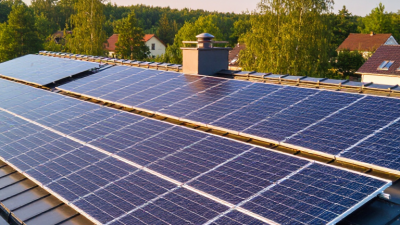
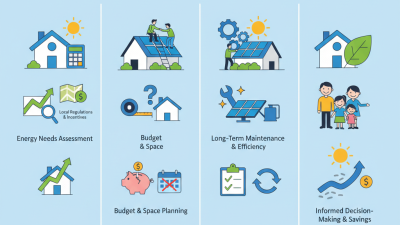
Solar power panels have moved from niche equipment to a practical option for households seeking steadier energy costs. Their value, however, depends on more than panel prices or a sunny roof. Roof orientation, shade from nearby trees, local electricity rates, and system design all shape expected production. A careful assessment starts with recent utility bills and a site-specific estimate, not a broad promise of savings. Small details matter. A chimney shadow at 4 p.m. can reduce output, while an aging roof may add replacement costs before installation. That is worth checking.
The investment case can include lower grid purchases, available incentives, and some protection from future rate increases. Yet results vary by location, financing terms, maintenance needs, and how much power a household uses during daylight. Battery storage may improve flexibility, but it raises upfront costs and is not essential for every home. Comparing proposals means checking equipment warranties, installer credentials, estimated annual generation, and assumptions behind payback calculations. Those estimates are not guarantees. A sensible decision weighs potential savings against costs, roof lifespan, and plans to stay. The figures may still feel messy. This guide explores why solar power panels can be a smart investment, where benefits are strongest, and which questions deserve a closer look before signing a contract.
How Solar Power Panels Convert Sunlight into Electricity
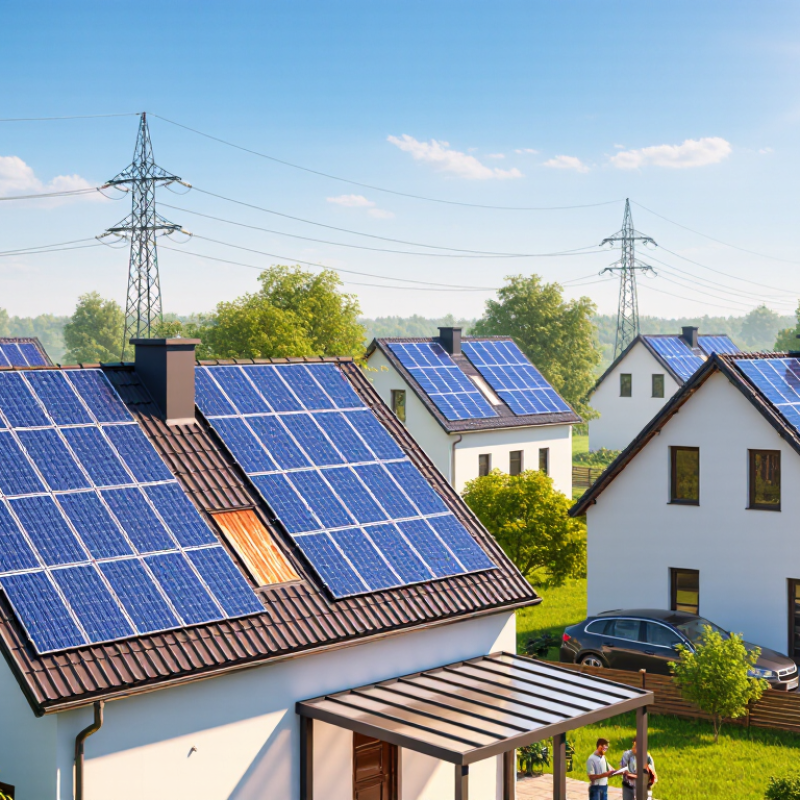
Sunlight reaches a solar panel as packets of energy called photons. These photons transfer energy to semiconductor cells, usually made from silicon. That energy frees electrons, creating direct-current electricity. Wires carry the current to an inverter, which converts it into alternating current for household use. The process is simple in principle. Real roofs are messier.
Panel output depends on sunlight, temperature, orientation, and shade. The U.S. Department of Energy notes that commercial solar panels commonly convert about 15% to 20% of sunlight into electricity. The IEA Photovoltaic Power Systems Programme reported that global installed solar capacity exceeded 1.6 terawatts by the end of 2023. That scale shows how widely the technology is being used, but it does not guarantee equal results on every roof. A chimney’s narrow shadow can still reduce production. The diagram is tidy; the real world less so.
Tips: Check your roof for shade at different times of day. Ask for an estimate based on local weather and roof direction, not just panel ratings. Compare expected annual production with your electricity use, and remember that estimates can miss small losses.
How Solar Panels Can Reduce Household Energy Bills
Solar panels can reduce household bills by replacing electricity purchased from the grid with power generated on the roof. The U.S. Energy Information Administration reported an average residential electricity price of 16.0 cents per kilowatt-hour in 2023. At that rate, using 1,000 kilowatt-hours of solar power at home could avoid about $160 in energy charges, before fixed fees and local billing rules. That distinction matters. Lawrence Berkeley National Laboratory’s Tracking the Sun 2024 report found a median size of 7.4 kilowatts for residential systems installed in 2023. System size alone, however, cannot predict savings: roof direction, shade, local weather, and household electricity use all affect production.
Savings are usually greatest when household routines match sunny hours. Running a dishwasher or charging an electric vehicle during the day can increase the share of solar power used directly. A battery may shift some daytime electricity into the evening, but its added cost needs careful comparison. Utility credits for surplus electricity also vary, and may be lower than the price households pay to buy power. Check recent bills and local export rules before estimating savings. A spreadsheet can still overpromise; seasonal use and cloudy weeks are easy to underestimate.
Why Are Solar Power Panels a Smart Investment? - How Solar Panels Can Reduce Household Energy Bills
| Household Energy Factor |
Illustrative Example |
How It Affects the Bill |
| Annual household electricity use |
10,000 kWh |
Provides the baseline for estimating how much of a home's electricity demand solar can cover. |
| Electricity price used in this example |
$0.16 per kWh |
At this assumed rate, 10,000 kWh of annual usage represents about $1,600 in usage charges, before fixed fees and taxes. |
| Example solar system size |
6 kW |
System output depends on location, roof direction, shading, weather, and equipment. A site-specific estimate is needed. |
| Estimated annual solar generation |
8,000 kWh |
For this example, generation equals 80% of annual household use. Actual production varies by site and season. |
| Estimated annual usage-charge reduction |
Up to $1,280 |
Calculated as 8,000 kWh × $0.16/kWh, assuming all generated electricity offsets electricity bought at that rate. Fixed charges may remain. |
| Illustrative installed system cost |
$18,000 |
Example calculation only: 6 kW × an assumed $3 per watt. Actual prices vary with location, installation needs, and system design. |
| Simple payback estimate |
About 14.1 years |
Calculated as $18,000 ÷ $1,280 in estimated annual savings. This excludes financing, maintenance, incentives, and changes in electricity prices. |
| Illustrative 20-year net savings |
$7,600 |
Calculated as ($1,280 × 20 years) − $18,000, assuming constant prices and output. This is a simplified estimate, not a guaranteed return. |
Assumptions: This is a transparent, illustrative calculation rather than a quote or prediction. Savings depend on local utility rates, billing and export-credit rules, system performance, household consumption, and project costs. Solar generation may not eliminate fixed utility charges.
Financial Incentives and Long-Term Investment Returns
Solar panels can lower electricity bills, but their financial value depends on local incentives and household energy use. Rebates, tax credits, and performance payments may reduce the upfront cost, though eligibility and program rules vary. Check current guidance from relevant government agencies before including an incentive in your budget. Do not count on a benefit until you confirm you qualify.
Tips: Request itemized quotes, compare estimated annual output, and ask how shade or roof orientation affects production. Keep copies of incentive paperwork.
For a realistic return estimate, compare the system’s net cost with expected bill savings over its useful life. Include financing charges, maintenance, and possible inverter replacement. Electricity prices and export rates can change, so projected savings are not guaranteed. A simple spreadsheet can help: enter installation costs, expected monthly savings, and any confirmed incentives. Then test a lower-savings scenario. It may reveal that payback takes longer than the sales estimate suggests. Solar can still be worthwhile, but the numbers should fit your roof, budget, and plans to stay in the home.
Factors That Affect the Value of a Solar Installation
Why Are Solar Power Panels a Smart Investment?
Factors That Affect the Value of a Solar Installation
A solar installation’s value depends on more than panel count. Sun exposure, roof direction, shading, and local weather all affect annual production. A chimney’s narrow shadow can reduce output from several panels, so a site assessment matters. The U.S. Department of Energy’s PVWatts tool estimates production using location, system design, and weather data. Treat its result as an estimate, not a guarantee.
Equipment and installation costs also shape the return. Lawrence Berkeley National Laboratory’s Tracking the Sun 2024 report found a median installed price of about $3.1 per watt for residential systems installed in 2023. Actual quotes vary with system size, roof complexity, and local labor. Electricity rates, utility compensation for exported power, and available incentives can shift payback substantially. These details change over time, so older online calculators may mislead.
Tips: Request a written production estimate and compare it with your recent utility bills. Check roof condition before installation; replacing shingles later can mean extra removal and reinstallation costs. Ask how the estimate accounts for shade and future electricity-rate changes. A small detail is easy to overlook. That can matter.