What Are the Top Solar Power Panels in 2026?
Choosing the top solar power panels in 2026 is not as simple as picking the highest efficiency rating. A panel’s real value depends on its output, warranty, degradation rate, price, and fit with your roof. A narrow roof may favor high-efficiency modules. A wide, unshaded roof may make value per watt more important. Details count.
The wider energy shift is clear. IEA Executive Director Fatih Birol described solar as “the new king of electricity markets around the world” in the IEA’s World Energy Outlook 2020. That statement captures solar’s growing importance, but it does not identify the best panel for every home. Ratings change. Products differ by market, and manufacturer claims need careful checking.
This guide compares leading models using published specifications and practical selection criteria, including temperature performance, output warranties, and independent test results where available. It also explains what those numbers can—and cannot—tell you. A strong laboratory rating may not predict performance under dust, shade, or summer heat. Not always. Installation quality matters, too. Brand rankings can oversimplify a decision that depends on local prices and roof conditions. Some comparisons remain imperfect. The aim is a useful shortlist, not a universal winner, so readers can ask better questions before requesting quotes.
How Solar Panels Convert Sunlight into Electricity
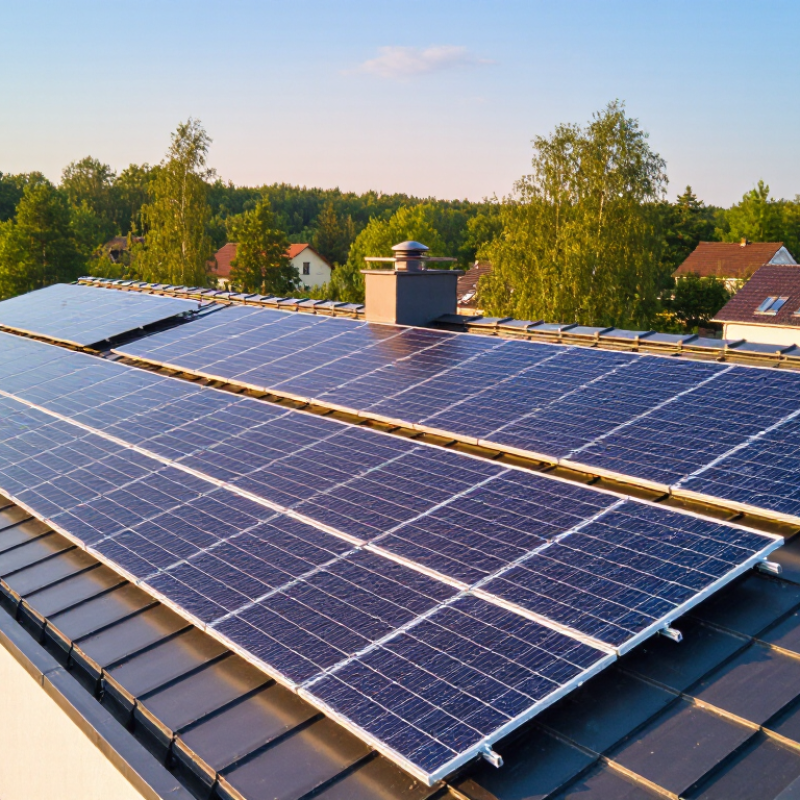
Solar panels convert sunlight into electricity through photovoltaic cells, commonly made from silicon. When sunlight reaches a cell, photons transfer energy to electrons. The cell’s internal electric field guides these energized electrons, creating direct current (DC). Think of it as a tiny flow of charge. It is not sunlight stored inside the panel. Even on a cool, bright morning, this process can work well. Heat can reduce output, so the hottest day is not always the most productive.
Cells connect to form panels, and panels make up a roof or ground-mounted array. An inverter changes DC into alternating current (AC), which most household circuits use. A monitoring system can show energy production, while a chimney’s shadow may reduce output. Panel design, orientation, wiring, and weather all matter. The physics is reliable. Real rooftops are less tidy, and small losses can add up.
Tips: Keep panels clear of leaves and debris. Ask a qualified installer to assess shading and roof direction. Compare estimated yearly energy production, not only peak wattage. Estimates are useful, but actual results can vary.
Which Performance Measures Define Top Solar Panels in 2026?
What Are the Top Solar Power Panels in 2026?
Efficiency is useful, but it cannot rank a panel by itself. It measures how much sunlight becomes electricity under standard test conditions. NREL’s Best Research-Cell Efficiency Chart separates laboratory cell records from module results; a lab record is not a rooftop performance promise. Numbers need context.
Temperature coefficient matters on hot roofs. A smaller efficiency drop per degree above the test temperature generally helps panels retain output during heat. Degradation matters over time, too. A review by NREL researchers Jordan and Kurtz examined nearly 2,000 published degradation observations and found a median annual loss of about 0.5%. That is a population average, not a guarantee for any installation.
Compare independent test results for power output, temperature response, and performance in weaker light. Then check the product warranty separately from the long-term power warranty. A projected output curve can look reassuring, yet actual production also depends on shade, orientation, wiring, and installation quality. I would not choose a panel on efficiency alone. It is an incomplete measure, and real roofs are less tidy than test conditions.
What Are the Top Solar Power Panels in 2026?
Typical commercial module-efficiency ranges by cell technology
Module efficiency is the share of sunlight converted into electricity under standard test conditions (STC). These approximate ranges are technology-level benchmarks, not guarantees or a ranking of individual products; actual performance varies by model and test conditions. Compare temperature coefficient, degradation rate, warranty, and real-world energy yield as well.
How Leading Solar Panel Technologies Compare
In 2026, solar panel comparisons are less about a single “best” technology and more about matching cells to a roof. Most residential options still use crystalline silicon, but their internal designs differ. TOPCon cells can offer strong efficiency and bifacial performance, which may help on bright, reflective surfaces. Heterojunction designs often perform well in heat, though their price and availability can vary. Back-contact panels place electrical contacts behind the cells, leaving more surface area exposed to light. That can be useful when roof space is tight.
The details matter. A panel’s temperature coefficient indicates how much output may drop as it heats up under summer sun. Warranty terms, expected degradation, and independent test results also deserve attention. Not glamorous. For a shaded roof, a high-efficiency rating alone may not solve the problem; layout and shade management can matter more. Thin-film panels are lightweight and flexible, but they generally need more area for comparable output, so they suit fewer typical homes.
There is no perfectly tidy ranking. Lab efficiency does not equal yearly household production, and installation quality can change the result. Compare systems using the same assumptions for roof direction, local weather, and usable area. Ask for projected annual energy, not just a peak-power figure. Even careful estimates can miss the mark. A panel that looks modest on a specification sheet may make sense where heat, space, or roof weight sets the real limit.
Which Solar Panels Suit Different Homes and Climates?
What Are the Top Solar Power Panels in 2026?
Which Solar Panels Suit Different Homes and Climates?
The right solar panel depends less on a ranking and more on your roof. A compact roof with limited sunny space may benefit from higher-efficiency panels, which can produce more power per square metre. Check the usable roof area, not just its total size. Vents, chimneys, and afternoon shade can change the estimate. Shade changes everything.
In hot regions, compare temperature coefficients: panels generally lose some output as cell temperatures rise. A lower temperature coefficient can help, though ventilation beneath the panels also matters. For cloudy climates, look at independently tested performance under lower light, but do not expect clouds to disappear from the production forecast.
Winter homes should consider snow shedding, mounting angle, and local wind conditions. Snow can cover panels for days.
Older roofs need special attention. A long panel warranty is less useful if the roof needs replacement soon, so inspect both before installation. Ask for an estimate based on your roof’s direction, tilt, shading, and seasonal weather—not a generic average. I would be cautious about choosing solely by peak wattage; that number does not tell you how a panel will perform on your particular home. A detailed site assessment is still imperfect, but it is better than guessing from a product sheet.
What Should Buyers Consider Before Choosing a Solar Panel?
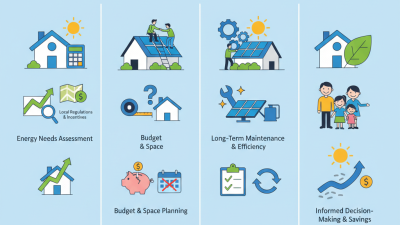
Choosing a solar panel in 2026 means looking beyond advertised efficiency.
Compare the panel’s rated output with your roof’s usable area, shading, and local weather. A narrow roof may benefit from higher output per square metre, while a spacious, sunny roof may offer more flexibility.
Check the product warranty and performance guarantee, and ask what each covers. They are not always the same.
Also compare the full installed quote, including inverters, mounting hardware, and labor. A low panel price can hide other costs.
Tips:
Request a shade assessment at different times of day. Ask for the system’s estimated annual production, not just its peak rating. Check whether the installer explains assumptions clearly. If figures feel too neat, ask how they account for cloudy days and seasonal changes.
Panel type matters, but it is only part of the decision.
Temperature performance, degradation rates, available space, and system compatibility can all affect long-term value. Have a qualified installer confirm that the proposed setup suits your roof and electrical system. Read the technical sheet yourself, too. It may feel tedious, and I would not pretend every specification is easy to compare. Still, a careful review can reveal trade-offs before installation begins.