Choosing the right solar panel can be challenging. With many options available, it’s crucial to understand what fits your needs best. Solar panels vary in efficiency, cost, and longevity. Each type has its pros and cons, which can impact your decision.
Most people focus solely on price. While affordability matters, efficiency and durability are equally important. A cheaper solar panel may not last as long or perform as well as a more expensive one. This trade-off is vital.
Research is essential when evaluating solar panels. Look for reputable brands that have a track record of reliability. Customer reviews and expert opinions can provide insight. Remember, your choice affects not just your electricity bill but your carbon footprint too. This decision is significant and deserves careful thought.
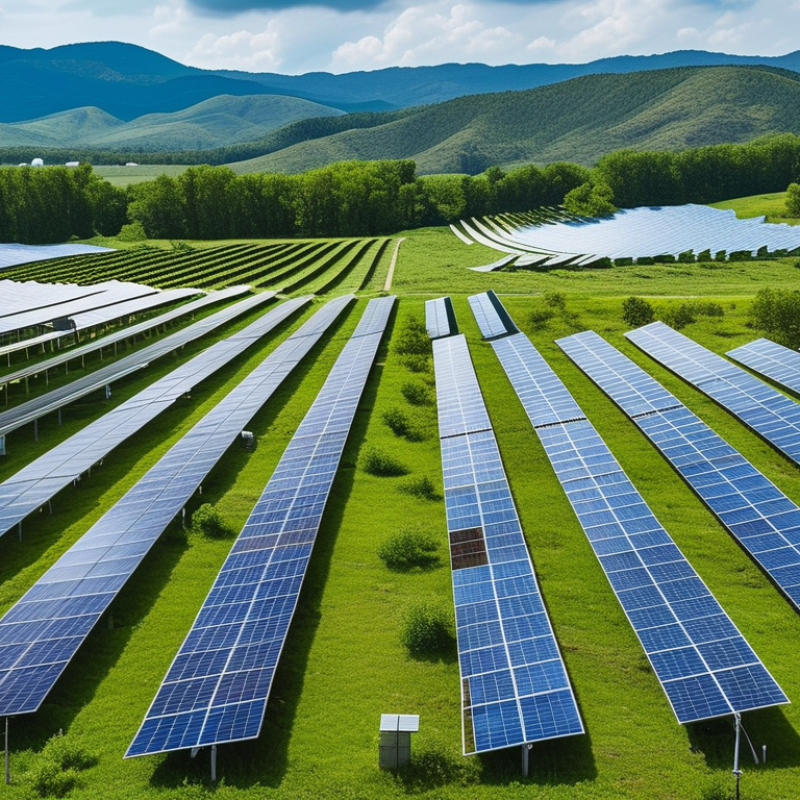
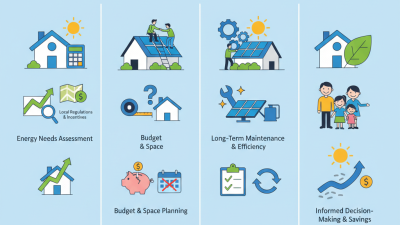
When choosing solar panels, understanding your energy needs is crucial. Start by analyzing your energy consumption patterns over the last year. Look at your utility bills to see how much energy you use monthly. This data helps determine the size and capacity of the solar panels you'll need.
Consider factors like seasonal variations. Do you consume more energy in summer or winter? This fluctuation may affect your solar requirements. Moreover, think about future changes such as purchasing an electric vehicle or expanding your home. These changes will increase your energy consumption. Being aware of these patterns allows for a more tailored approach to solar panel selection.
Sometimes, despite diligent planning, unforeseen factors may occur. Your energy usage may fluctuate due to lifestyle changes. You might find that your initial calculations don't meet your energy needs. Regularly monitor your energy consumption to adjust accordingly. This reflective approach will help ensure you select the best solar panels for your needs over time.
When evaluating different types of solar panels, consider their efficiency and longevity. Monocrystalline panels offer high efficiency and a sleek design. They work best in limited space. However, they can be more expensive. On the other hand, polycrystalline panels are typically more affordable. They require more space and often have slightly lower efficiency. Yet, they can serve well in larger installations.
Thin-film solar panels provide unique benefits. They are lightweight and flexible, making them suitable for unconventional surfaces. However, they usually have a shorter lifespan and lower efficiency compared to crystalline options. This can be a critical factor in areas where space and power output are of utmost importance.
Assessing your energy needs is essential. You might feel overwhelmed by the choices but think long-term. It’s vital to consider the local climate and available sunlight. A less efficient panel in a sunny environment may outperform a high-efficiency model in a shady area. Reflect on your budget and future plans. Remember, investing in solar energy is not just about the panel type; it's about meeting your specific energy needs sustainably.
When choosing solar panels, efficiency ratings and performance metrics are crucial. Solar panel efficiency reflects the amount of sunlight converted into usable energy. Currently, high-efficiency panels offer ratings up to 22% or more, according to recent industry reports. In contrast, standard panels typically sit between 15% to 18%. Efficiency is linked to the technology used, such as monocrystalline cells, which generally achieve higher ratings than polycrystalline alternatives.
Performance metrics also include degradation rates. Quality panels degrade at about 0.5% per year, maintaining over 80% efficiency after 25 years. Understanding these metrics helps homeowners assess long-term viability. Solar panels should ideally comply with certifications like IEC 61215, ensuring robust performance across various conditions.
Tips: Look for panels boasting high efficiency and low degradation rates. Always review performance warranties before purchasing. Consider how local climate affects efficiency too; some models perform better in specific temperatures or conditions. Regular evaluations can highlight potential improvements, but no panel is perfect. Your choice should balance cost, efficiency, and expected lifespan for optimal results.
When selecting the best solar panel, cost is often a primary concern. According to the Solar Energy Industries Association (SEIA), the average cost of solar installations has dropped by about 70% since 2010. However, prices can vary significantly depending on the type and quality of the panel. Standard silicon panels may be more affordable, but premium options, like monocrystalline panels, often offer better efficiency.
Budget constraints can limit choices, but it's crucial to balance upfront costs with long-term savings. A study by the National Renewable Energy Laboratory (NREL) shows that higher-efficiency panels can lead to lower overall energy expenses. Look for panels with efficiency ratings above 18%. While they may cost more initially, they often yield a better return on investment.
Considering installation costs is also essential. Labor can account for 15-25% of the total investment. It's worthwhile to obtain multiple quotes and inquire about financing options. Reflecting on these factors can help avoid future regret. Ultimately, aligning your choice with both budget and energy needs requires careful thought and research.
Choosing the right solar panel goes beyond performance. You'll also need to consider installation requirements and maintenance. The location of the installation site is crucial. A roof with a steep slope may pose challenges. Trees nearby can create shade, reducing efficiency. Ensuring adequate sunlight exposure is key for optimal energy production.
Maintenance is another important factor. Regular cleaning is essential. Dust and debris can accumulate, reducing the solar panels' efficiency. Inspecting connections and wiring is also vital. This can prevent more significant issues from arising. Some people overlook this aspect, thinking it’s a set-it-and-forget-it solution.
Installation can be complex. It's important to have a clear understanding of the space and support structures. Permitting processes can vary widely. Local regulations may impose specific requirements. These can affect your project timeline and budget. Thoughtful consideration of these factors will lead to better decision-making.