What is the Best Solar Package with Battery for Your Needs?
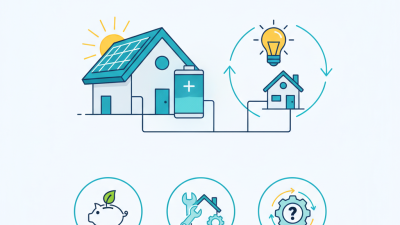
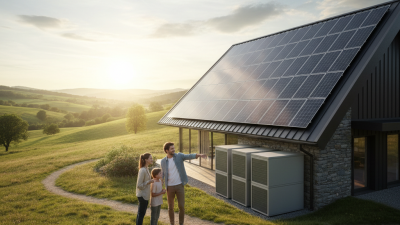
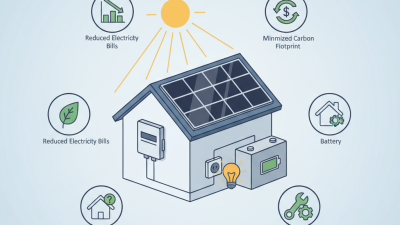
When considering energy solutions for your home, a solar package with battery is often a top choice. This option combines solar panels with a battery system, allowing you to store excess energy. Many homeowners appreciate the flexibility and independence that this technology provides.
Choosing the right solar package with battery requires thorough research and understanding. Not every package suits every household. Your energy needs, budget, and geographic location play significant roles.
There is no one-size-fits-all solution. Often, you may find packages that promise high returns but fall short of expectations. It’s crucial to scrutinize each option carefully. Take time to read reviews, consult with professionals, and consider your usage patterns before deciding. The ideal solar package with battery will ultimately enhance your energy efficiency and sustainability.
Understanding Your Energy Needs for Solar and Battery Systems
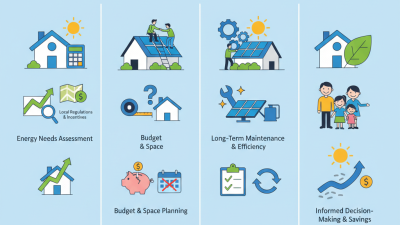
When considering solar and battery systems, understanding your energy needs is crucial. According to the U.S. Department of Energy, a typical household consumes about 877 kWh monthly. This may vary based on your appliances, number of occupants, and local climate. Knowing your average energy usage informs your solar panel size and battery capacity.
For a residential solar system, a common recommendation is to generate enough power for 100% of your needs. If your monthly usage is 877 kWh, you might require roughly a 6 kW solar system, depending on sunlight availability. Battery systems play a vital role in energy management and storage. The National Renewable Energy Laboratory reports that pairing solar panels with a battery could improve energy independence by up to 85%.
It's also essential to consider peak usage times. Some households may experience higher demands during evenings when solar production drops. Utilizing a battery can address this gap. Balancing immediate energy needs with long-term savings requires careful analysis. Not all systems fit every situation. Exploring local incentives and evaluating your power consumption habits can help refine your choices. Always seek expert advice to refine your decision.
Understanding Your Energy Needs for Solar and Battery Systems
Types of Solar Panels and Batteries Available in the Market
When considering solar solutions, understanding the types of solar panels and batteries available is essential. Solar panels come in three main types: monocrystalline, polycrystalline, and thin-film.
Monocrystalline panels are known for their high efficiency, typically around 15-22%. Polycrystalline panels are slightly less efficient, at about 13-16%. Thin-film panels, while lightweight and flexible, usually have lower efficiency rates, ranging from 10-13%. According to the U.S. Department of Energy, trends indicate that monocrystalline options are more popular due to their longer lifespan and better performance in low-light conditions.
Battery storage is another critical component. Lithium-ion batteries dominate the market, accounting for nearly 90% of residential storage options. They offer a lifespan of 10-15 years and efficiency rates of around 90-95%. Lead-acid batteries, while less costly, have shorter lifespans and efficiency levels closer to 80%.
Selecting the right combination of solar panels and batteries impacts your overall system performance and energy independence.
Tips: Assess your energy needs before choosing a battery. Look for options with warranties over a decade for better longevity. Consult local energy providers; they may offer incentives or rebates, which can significantly reduce initial costs. Avoid focusing solely on price; efficiency and reliability matter, too.
Evaluating the Best Solar Package Options for Different Budgets
When considering the best solar package with a battery, evaluating options based on your budget is essential. According to the Solar Energy Industries Association, residential solar installations have grown by an average of 20% annually. Cost factors include system size, battery capacity, and installation expenses. A basic setup could start at around $10,000, while premium packages may exceed $30,000. Assessing your energy needs will help determine the ideal investment.
Tips: Consider your energy consumption patterns. If your home uses a lot of electricity at night, a larger battery capacity may be essential. Review the bills from previous months to gauge your usage trends. A well-suited package can enhance energy independence and potentially lower your utility bills.
While many packages offer impressive warranties, not all batteries perform consistently. Some options may provide higher degradation rates than advertised. Regularly researching user reviews and industry reports can illuminate common performance issues. Pay attention to the longevity and efficiency claims of different products. Making an informed choice can tremendously impact your investment's long-term value.
Installation Considerations for Solar and Battery Systems
When considering solar and battery systems, installation factors play a crucial role. The orientation of solar panels matters significantly. An ideal position captures maximum sunlight throughout the day. However, not every roof is suitable for this. Trees and buildings nearby can create shadows. If you face these issues, you may need to rethink your panel layout.
Another important consideration is the battery placement. Batteries should be positioned in a cool, dry area. Extreme temperatures can reduce efficiency. Accessibility for maintenance is also key. Sometimes, homeowners overlook this, leading to complications down the road. Check local regulations; some areas have specific codes for battery storage.
Costs can vary widely, and installation quality can make a big difference. A well-done installation enhances performance and longevity. However, it's wise to get several quotes. This helps you understand potential hidden costs. Every home is unique, and what works for one may not work for another. Making informed decisions can be challenging, but is necessary for a successful solar project.
Maintaining and Optimizing Your Solar Package Performance
Installing solar packages with batteries can significantly enhance energy efficiency. However, maintaining and optimizing performance is crucial. Research shows that regular maintenance can improve system performance by up to 30%. A clean solar panel surface allows for better light absorption. Dust and debris can block sunlight, reducing energy output.
Battery management is equally important. Ensure that batteries are charged properly. Overcharging can shorten battery lifespan. Monitoring software can help track performance and energy usage. According to industry reports, optimal battery storage can reduce reliance on the grid by 60%. Users often overlook the need for software updates, which can enhance system efficiency.
Many users experience issues with inadequate performance. This can stem from improper installation or lack of maintenance. Regular inspections can identify potential problems. Investing in professional services is crucial for long-term success. Remember, optimal performance requires effort and awareness. Embrace the ongoing journey of solar energy management.