Why Should Businesses Choose Solar Energy?
Electricity bills rarely feel abstract when a production line starts, a server room hums, or summer cooling pushes demand higher. For many companies, solar energy offers a practical way to generate power on-site, reduce exposure to changing electricity prices, and show customers measurable climate action. The opportunity is substantial. The International Energy Agency’s Renewables 2024 report projects solar photovoltaic power will provide around 80% of global renewable capacity growth through 2030. That growth reflects falling costs and wider adoption, though it does not guarantee savings for every business.
The economics deserve a close look. IRENA reported that the global weighted-average cost of electricity from newly commissioned utility-scale solar PV fell 12% in 2023, to about $0.044 per kilowatt-hour. For a business, the actual value depends on roof condition, local sunlight, tariffs, financing, and how closely generation matches daytime demand. Panels on a warehouse roof may offset daytime loads; they cannot, by themselves, supply power after sunset. Storage and grid arrangements can help, but add cost and complexity.
“Solar is the new king of electricity markets,” said Fatih Birol, Executive Director of the International Energy Agency, in 2020. His observation captures the industry’s momentum, not a promise of effortless returns. Solar can be a strong business investment. Careful assessment still matters. This guide explores the financial, operational, and environmental reasons businesses consider solar—and the questions worth asking before committing.
How Solar Energy Works for Businesses
How Solar Energy Works for Businesses
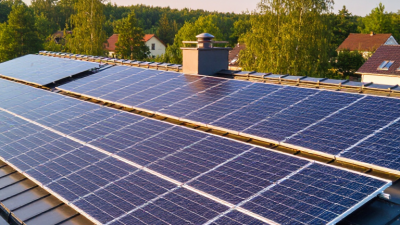
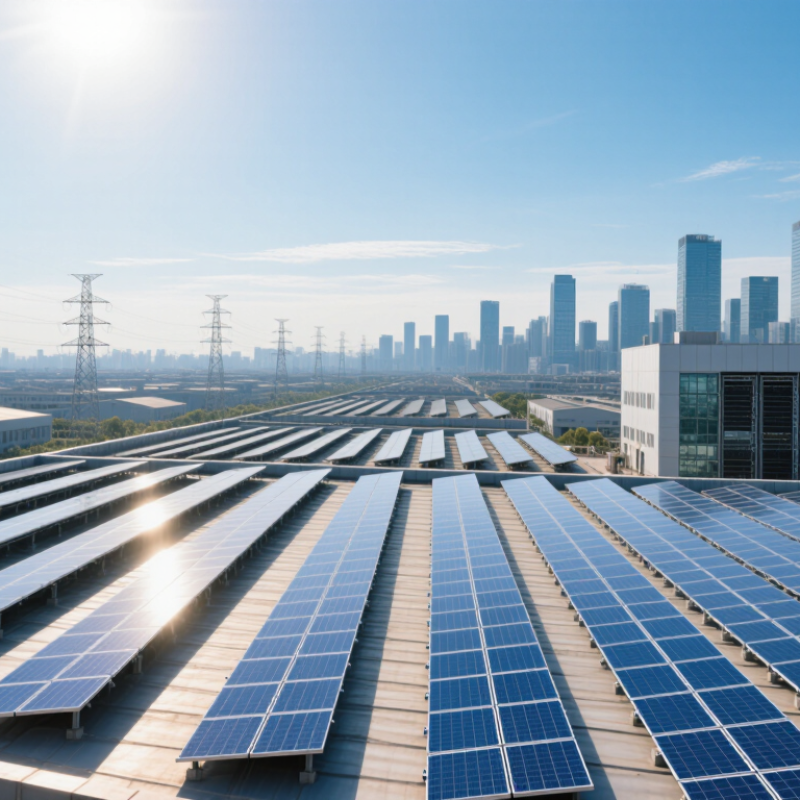
A business solar system turns sunlight into electricity used by lights, refrigeration, computers, and production equipment. Panels on a roof or nearby ground-mounted structure generate direct-current electricity. An inverter converts it into alternating current, the form most commercial buildings use. It happens quietly, above the loading bay or behind the meter.
During daylight, the building typically uses solar power as it is produced. If panels generate more than the site needs, surplus electricity may flow to the grid, depending on the local setup. When production falls, the building can draw grid power. Batteries are optional; they store some daytime energy for later, but add cost and require careful sizing. A cloudy Tuesday still brings some generation, just less.
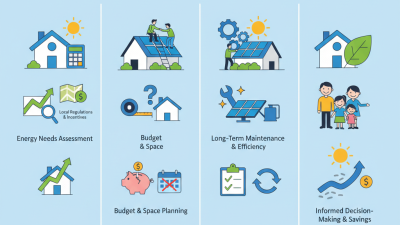
Good planning begins with actual electricity bills and interval-use data, not roof area alone. A facility with heavy daytime demand may use more of its own solar output. Shading from vents, trees, or a neighboring building can reduce production, and roof condition matters before installation. A qualified assessment should review structural capacity, electrical connections, and realistic generation estimates. Even then, forecasts are not promises. Maintenance is usually straightforward, but dust, equipment faults, or changing energy use can affect results over time. A little uncertainty belongs in the plan.
Why Should Businesses Choose Solar Energy? — How Solar Energy Works for Businesses
Solar panels convert sunlight into direct-current (DC) electricity. An inverter changes it into alternating-current (AC) electricity that a business can use. The chart compares median life-cycle greenhouse gas emissions from electricity generation technologies.
Values are median life-cycle emissions in grams of CO₂-equivalent per kilowatt-hour (g CO₂e/kWh). Source: National Renewable Energy Laboratory, Life Cycle Greenhouse Gas Emissions of Electricity Generation (2013). Actual emissions vary by technology, location, and system design.
Financial Benefits of Commercial Solar Power
For many businesses, solar’s strongest financial case is the electricity bill it can displace over time. The U.S. Energy Information Administration reported an average commercial electricity price of 12.77 cents per kilowatt-hour in 2023. A rooftop system can reduce purchases from the grid, especially when panels generate power during a facility’s busiest daytime hours. Savings are site-specific. Roof condition, local rates, shading, and system cost all matter.
A useful cost benchmark comes from the International Renewable Energy Agency’s Renewable Power Generation Costs in 2023. It reported that newly commissioned utility-scale solar photovoltaic power averaged 4.4 cents per kilowatt-hour globally, 56% below the weighted average cost of fossil-fuel alternatives. That is not a quote for a commercial rooftop project; installation costs and financing differ. Still, it shows how sharply solar generation costs have fallen. The math is not magic.
Businesses may also gain more predictable energy costs, but projected savings deserve close review. Compare the proposal’s assumptions with actual bills, including demand charges, export credits, maintenance, and financing fees. A system that looks attractive on annual energy totals may perform differently during cloudy months or after operating hours. Ask for production estimates based on the site’s roof and local weather, not a generic model. Some uncertainty remains. A careful assessment can show whether the expected bill reductions justify the upfront investment.
| Why Should Businesses Choose Solar Energy? - Financial Benefits of Commercial Solar Power |
| Financial Dimension |
Illustrative Assumption |
Estimated Annual Result |
Business Value |
| Commercial system size |
100 kW rooftop solar installation |
— |
Provides a consistent basis for comparing costs and potential bill savings. |
| Initial installed cost |
$2.50 per watt; 100 kW × 1,000 watts × $2.50 |
$250,000 upfront |
Represents an illustrative planning figure, not a market quote. Actual costs vary by location, design, and installation conditions. |
| Estimated electricity generation |
1,350 kWh per kW per year × 100 kW |
135,000 kWh |
Solar electricity can reduce the amount of power a business needs to purchase from its utility. |
| On-site electricity use |
80% of generation used by the business; remaining electricity is not assigned an export value here |
108,000 kWh used on-site |
Using solar power on-site can offset retail electricity purchases; the actual share depends on operating hours and system design. |
| Illustrative electricity price |
$0.15 per kWh |
$16,200 gross annual bill savings |
Calculated as 108,000 kWh × $0.15. Actual savings depend on the utility tariff and how solar generation aligns with electricity use. |
| Illustrative operations and maintenance |
$20 per kW per year × 100 kW |
$2,000 estimated annual cost |
Allows for routine operating costs in this example; actual maintenance costs vary by equipment, site, and service arrangements. |
| Estimated net annual operating benefit |
Gross bill savings less illustrative operations and maintenance |
$14,200 |
Does not include financing, taxes, incentives, utility fees, or revenue from exported electricity. |
| Simple payback estimate |
$250,000 initial cost ÷ $14,200 net annual operating benefit |
About 17.6 years |
A simple estimate that does not account for financing, incentives, changes in electricity prices, or system performance over time. |
| Illustrative example only: These figures are assumptions, not a forecast or guarantee. Solar output, installed costs, electricity rates, savings, and payback vary by site and utility. A project assessment should use local production estimates, current tariffs, and verified installation and operating costs. |
Environmental and Operational Advantages
Businesses that install solar panels can reduce the electricity they draw from the grid. That can lower operational emissions, especially where local power still relies heavily on fossil fuels. A row of panels over a distribution center also uses roof space that might otherwise sit idle. The benefit is measurable, but not identical everywhere. Manufacturing panels has an environmental footprint, and cloudy seasons change output.
Solar can also make energy costs more predictable. During sunny work hours, a system may cover part of a facility’s steady demand, such as refrigeration, ventilation, or computer equipment. A facilities manager can compare hourly usage with expected generation before sizing an installation. Good records matter. Oversizing can leave a business exporting power at a lower rate, while undersizing may miss useful savings. Adding batteries may support selected loads during outages, though storage adds cost and needs careful planning.
Operations still need attention. Roof condition, shade from nearby buildings, inverter performance, and cleaning schedules affect real output. An installer’s first estimate can be wrong; actual results should be checked against meter data after commissioning. That review may reveal a panel layout or operating schedule worth adjusting.
Factors to Consider Before Adopting Solar
Before adopting solar, examine the roof, not just the estimated savings. Check its age, material, orientation, and exposure to shade. A roof needing replacement soon may make installation more complicated or costly. Ask for a site assessment that records roof condition and nearby trees. Small details matter.
Your electricity use should shape the system size. Review several months of bills and note when heavy equipment runs. A system that produces plenty at midday may not match a business that uses most power after sunset. Shade matters. Compare expected production with your actual hourly demand, where available. Batteries can shift some energy into evening hours, but they add cost and need their own maintenance plan.
Read proposals carefully. Compare equipment specifications, estimated annual output, warranties, service terms, and assumptions about future electricity prices. Confirm whether permitting, grid connection, and any local incentives are included; these vary by location and can change. Even careful estimates miss something, especially when weather or operating hours shift. It is easy to trust a neat payback figure too much. Ask how the estimate changes under lower production or higher maintenance costs, then keep a copy of the assumptions for later review.