Choosing a dependable rv solar power kit supplier in China takes more than comparing prices. RV owners need components that work together on the road: panels that fit the roof, a charge controller matched to the battery bank, and cables sized for the system. A kit may look complete in a catalog, yet omit mounting hardware or clear wiring instructions. Details matter.
As RV electrical educator Mike Sokol has emphasized in his teaching, system choices should reflect actual electrical loads and sound circuit protection. That guidance is worth remembering when comparing suppliers. Ask for detailed specifications, test documentation, warranty terms, and evidence that the supplier can support products after delivery. A polished website alone proves little. Nor does a low price settle the question.
This guide explores how to assess leading Chinese suppliers without treating a ranking as a guarantee. It considers product range, manufacturing capability, quality-control practices, customization, communication, and after-sales support. Those factors matter when a kit must power a refrigerator, lights, or a ventilation fan during a quiet night away from shore power. No single kit suits every trip. A small weekend setup has different needs from a full-time RV, and even careful comparisons can leave unanswered questions. Readers should verify current specifications directly with each supplier before choosing a system.

An RV solar power kit is a small electrical system, not just a set of roof panels. Its main parts are solar modules, a charge controller, a battery, wiring, protective devices, and often an inverter. Each part has a different job. Together, they turn sunlight into usable power for lights, fans, and small appliances.
Panels collect energy, but roof space and shade affect their output. A vent or air conditioner can cast a shadow across a module, reducing production at the wrong time. The charge controller regulates power flowing into the battery; an MPPT model can help harvest more energy when panel voltage varies. That matters. Battery capacity should match expected use, such as running a refrigerator overnight, rather than simply looking impressive on paper.
The inverter changes battery power into the AC electricity used by many household-style devices. It also consumes energy, so running it for a small USB charger may be wasteful. Properly sized cables, fuses, and secure mounting help limit voltage loss and protect the system. Small details count. Before choosing a kit, compare daily energy needs with available roof area and battery storage. Estimates are imperfect, especially when travel brings cloudy days or unexpected shade.
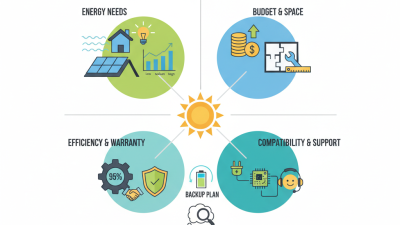
When evaluating Chinese RV solar kit suppliers, start with the system details, not the sales pitch. Ask for a complete bill of materials, including panel dimensions, controller type, cable lengths, connector specifications, and rated output. Confirm that the kit matches your RV’s battery voltage and available roof space. A neat product photo cannot show whether brackets fit a curved roof or cables reach the battery compartment.
Request current datasheets and test records for the exact components being quoted. Check how the supplier handles output tolerances, installation questions, replacement parts, and warranty claims. Ask for written lead times and clear packaging details. If possible, inspect a sample or have a qualified installer review the wiring diagram. One sample is useful, but it does not prove consistent production. I have seen polished documentation leave practical gaps, so ask specific follow-up questions.
Tips: Send the supplier your roof measurements, battery specifications, and a simple installation sketch. Compare written answers, not just prices. Clarify whether the quoted kit includes mounting hardware, fuses, and cables. Keep the discussion in email, where specifications and changes are easy to verify. A short video call can help reveal whether technical staff understand your setup, though it is not a substitute for checking the documents.
Rather than rank suppliers without comparable, independently verified data, use this checklist to assess their products and documentation. The figures below are evaluation examples, not claims about any particular supplier.
| Evaluation dimension | What to check | Evidence to request | How to evaluate |
|---|---|---|---|
| PV module performance | Rated power, dimensions, operating voltage and current, and performance under standard test conditions. | Module datasheet, nameplate details, and applicable test reports. | Check that the proposed module dimensions fit the vehicle roof and that electrical values are compatible with the charge controller. |
| Module standards | Design qualification and safety documentation for the exact module model. | Relevant IEC 61215 and IEC 61730 certificates or test reports, with model numbers and issuing body details. | Confirm the documents match the offered model. These standards address PV module design qualification and module safety; they do not certify the entire RV kit. |
| Daily energy sizing | Whether the panel capacity is sized for the customer's energy use and location. | A calculation stating daily load, assumed peak-sun hours, and system losses. | A basic estimate is: daily PV energy (Wh) ≈ array power (W) × peak-sun hours × system efficiency. Ask the supplier to state its assumptions; actual output varies with season, shading, orientation, and temperature. |
| Charge controller compatibility | Controller type, maximum PV input voltage and power, battery voltage, and charging profile. | Controller datasheet and a wiring diagram showing the proposed panel configuration. | Verify that the array's open-circuit voltage, including the effect of cold conditions, remains within the controller's stated limit and that the battery chemistry is supported. |
| Battery capacity and usable energy | Chemistry, nominal voltage, amp-hour rating, battery management system, and usable capacity. | Battery datasheet, BMS specifications, and stated test conditions for the capacity rating. | Nominal energy in watt-hours is approximately voltage × amp-hours. For example, a 12.8 V, 200 Ah battery has 2,560 Wh nominal energy; usable energy depends on product limits and operating conditions. |
| Battery transport documentation | Required lithium-battery transport test documentation for the exact battery type. | UN 38.3 test summary identifying the battery model and manufacturer. | Check that the summary corresponds to the supplied battery. UN 38.3 concerns transport testing; it is not a general product-quality rating. |
| Inverter and system safety | Continuous and surge output, waveform, input voltage, protections, and applicable safety documentation. | Inverter datasheet, installation instructions, wiring diagram, and model-specific test or conformity documents. | Compare continuous and surge ratings with the intended loads. Confirm that protection, cabling, fuses, and installation instructions are specified for the complete configuration. |
| Manufacturing and quality controls | Quality-management processes, traceability, incoming inspection, and production testing. | Current ISO 9001 certificate, including its scope and issuing certification body, plus sample inspection or test records. | ISO 9001 relates to a quality-management system, not a guarantee that a particular kit meets its performance claims. Check certificate validity and scope independently. |
| Warranty and after-sales support | Warranty duration by component, exclusions, claim process, replacement terms, and technical support availability. | Written warranty terms, troubleshooting procedures, and stated response and replacement arrangements. | Compare terms for panels, batteries, controllers, and inverters separately; do not assume one kit warranty covers every component equally. |
| Quotation and order consistency | Whether the quote precisely identifies every component, model, quantity, accessory, and agreed specification. | Itemized quotation, bill of materials, packaging details, and pre-shipment inspection criteria. | Match the quotation and inspection plan against the approved samples and technical documents before placing an order. |
Leading RV Solar Power Kit Suppliers in China
Leading RV solar power kit suppliers in China typically offer more than panels. Strong suppliers can match modules, charge controllers, batteries, wiring, and mounting hardware to an RV’s available roof space and daily power needs. Ask for a clear system diagram and component specifications. Details matter.
A useful supplier review checks production consistency, not just quoted wattage. Request test records for panel output, controller performance, and battery capacity, then compare them with the stated specifications. Ask how kits are packed to protect glass panels and connectors during shipping. A cracked corner or missing cable can delay installation.
Communication is another practical measure. Suppliers should explain compatibility, operating limits, and what is included in the kit without relying on vague claims. Confirm whether the mounting brackets fit your roof type and whether cable lengths suit your layout. That checklist is not perfect; real RVs vary, and a neat roof plan can miss vents or curved surfaces. Share measurements and photographs before ordering, and review the final component list in writing. A careful supplier will flag mismatches rather than simply approve every request.
Estimated daily energy output by solar array size—not a supplier ranking or company-specific performance data.
Estimates assume 4 peak sun hours per day and 75% overall system efficiency. Actual output varies with location, season, shading, panel orientation, and system components.
RV solar kit suppliers in China should be compared on complete system design, not panel wattage alone. A practical kit may include roof-mounted modules, an MPPT controller, an inverter, cables, and mounting hardware. Check whether the controller supports the battery chemistry and voltage you plan to use. Small mismatches can reduce charging performance.
Compare documents carefully. Ask for model-specific test reports and conformity documents relevant to your sales market, rather than accepting a certificate image without matching product details. Verify rated power, temperature limits, connector types, and warranty terms. Ask for proof. A neat datasheet is useful, but it cannot show how a supplier handles a real installation question. This matters.
Service can distinguish otherwise similar offers. Look for clear wiring diagrams, help estimating daily energy use, replacement-part availability, and a named technical contact. Ask how the supplier responds when a controller arrives with unclear settings or a cable length is wrong. Compare response times in writing. One limitation: even a thorough checklist cannot guarantee smooth support after delivery, so test communication before placing a large order. A delayed reply is a warning, though not the whole story.
Choosing an RV solar supplier in China starts with your vehicle, not the largest wattage on a product page. Measure usable roof space around vents, antennas, and air conditioners. Ask for panel dimensions, cable lengths, and a wiring diagram before comparing prices. A kit that fits on paper may leave too little room for safe installation.
Check that the charge controller matches your battery voltage and chemistry, and confirm the inverter’s continuous and surge ratings. These details matter when a refrigerator starts or a pump briefly draws extra power. Ask for current test reports, component specifications, warranty terms, and a clear list of what the kit includes. Vague quotes deserve a second look. Request a sample or inspect a production unit when possible, then check connectors, labeling, and packaging. Small details can expose bigger gaps.
Reliable suppliers explain how shading, season, and parking habits affect real output. Ask how they handle technical questions after delivery, and whether replacement parts can be identified by specification. Compare response quality, not just response speed. A useful answer should address your actual roof layout and daily energy use. I would still verify every wiring assumption with a qualified installer; supplier advice alone can miss vehicle-specific constraints.