How to Choose the Best Inverter Solar Solutions for Your Needs?
Choosing the best inverter solar solutions can be a daunting task. With numerous products available, making the right choice requires careful consideration. Expert Ellen Harper, a leader in renewable energy solutions, emphasizes, “The right inverter solar system can transform energy efficiency for your home.”
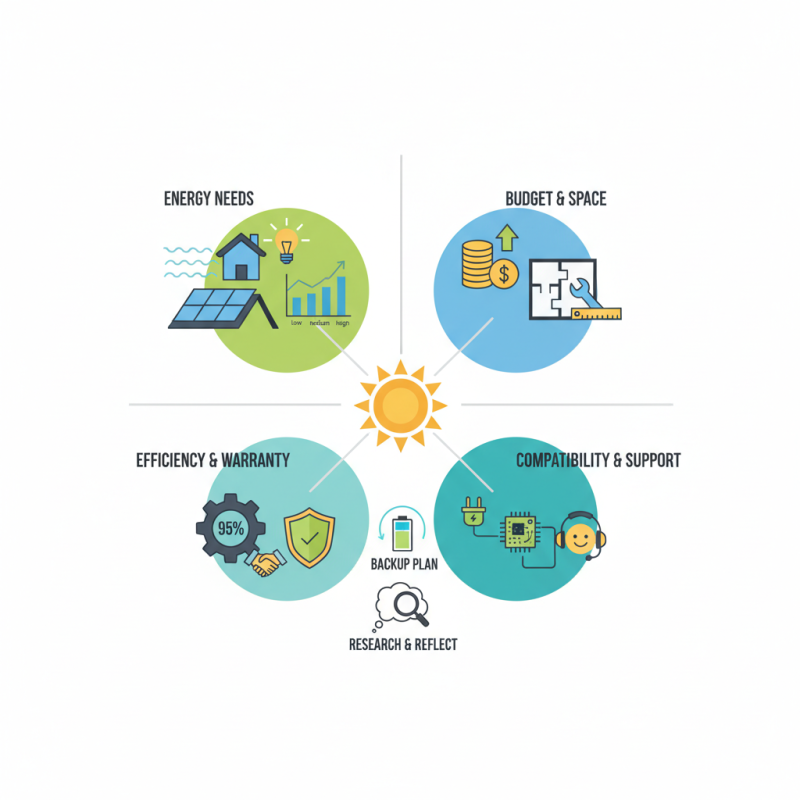
When exploring inverter solar options, consider your energy needs, budget, and installation space. A good inverter should match your solar panel output and be compatible with your home’s existing electrical systems. It’s essential to analyze each product’s efficiency ratings and warranties. Reliable manufacturers often offer better customer support, which is crucial for long-term satisfaction.
However, not all inverter solar products perform equally in various conditions. Some may struggle with fluctuating energy demands. It's wise to have a backup plan in case of unexpected performance issues. Remember, even the best systems can have limitations. Take your time to research and reflect on which inverter solar solution aligns with your unique requirements.
Understanding Solar Inverters: Types and Functionality
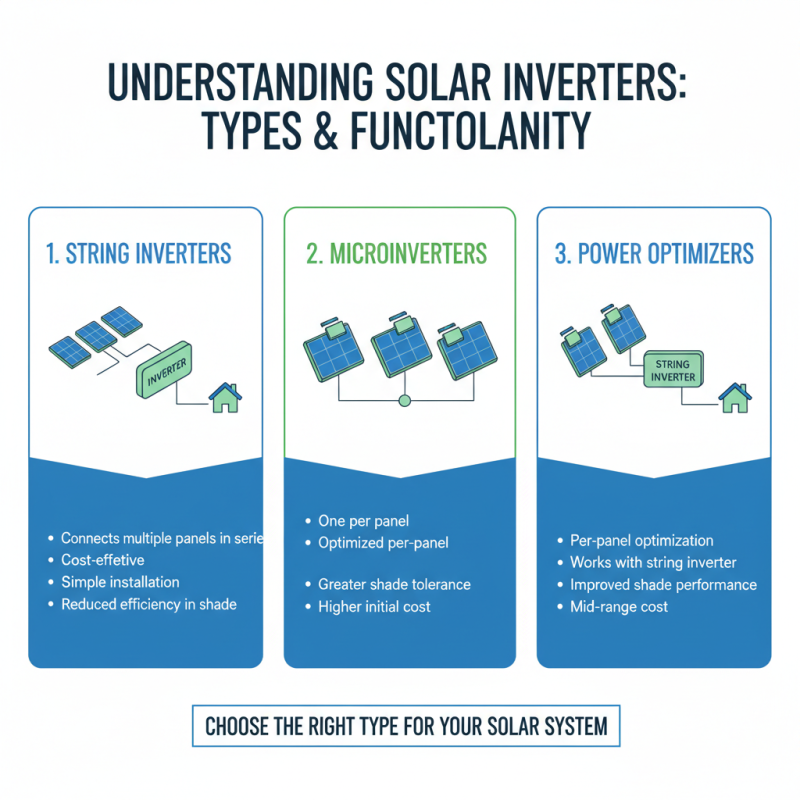
When exploring solar inverters, understanding their types is essential. There are generally three main types: string inverters, microinverters, and power optimizers. String inverters connect several solar panels into a single system. They are cost-effective and easy to install but can be less efficient in shaded areas.
Microinverters, on the other hand, are installed on each panel. They maximize energy production by allowing each panel to operate independently. This can be beneficial if panels are exposed to varying sunlight. However, they may require more maintenance and can come with a higher initial cost. Power optimizers act as a middle ground, improving the performance of string inverters by adjusting outputs for each panel.
Each option has its pros and cons. Your choice depends on your specific needs and installation circumstances. It's important to assess factors like panel shading, roof design, and budget. Understanding these elements allows for better decision-making. Yet, even the best choices can result in unexpected challenges. Regular maintenance is crucial to ensure optimal performance over time.
Assessing Your Energy Needs and System Requirements
When selecting the right inverter solar solution, understanding your energy needs is crucial. According to the U.S. Department of Energy, residential electricity consumption averages around 877 kWh per month. This figure can guide your decision on inverter capacity. Assessing daily usage patterns helps determine the size of your system. Basic calculations can yield insights into how much solar panel capacity you require.
Next, consider the system requirements particular to your situation. Reports suggest that inverters should handle the peak solar production times, typically midday. You’ll want an inverter that can manage your max load efficiently. Frustrations often arise from misunderstandings. A mismatch between your inverter and energy needs can lead to inefficiencies. An inverter that can produce 5 kW of power may not suffice if your peak usage exceeds that number. Checking the inverter specifications and local regulations is also essential.
Think about future expansions too. As energy demands shift, such as the addition of electric vehicles or smart home devices, your system should be adaptable. Industry sources indicate that up to 30% of homeowners regret not considering future needs when purchasing their solar systems. Taking these steps now could save you from expensive adjustments later.
Evaluating Efficiency Ratings and Performance Metrics
When evaluating inverter solar solutions, efficiency ratings are crucial. According to the U.S. Department of Energy, the average efficiency of solar inverters can range from 95% to 98%. Higher efficiency means better performance under various conditions, which can significantly impact energy production.
Performance metrics such as the inverter’s maximum power point tracking (MPPT) capabilities play a key role as well. MPPT helps optimize output, especially on partially shaded days. A study by the National Renewable Energy Laboratory (NREL) suggests that inverters with superior MPPT technology can increase energy harvest by up to 25% compared to traditional models.
It's also worth reflecting on inverter reliability. An inverter with a solid warranty often indicates a trusted design. However, even well-rated inverters may experience challenges under extreme weather conditions. Understanding local climate impacts on inverter performance is essential for making informed decisions. This holistic view can aid in selecting the best solution tailored to specific energy needs.
Key Features to Look for in Inverter Solar Solutions
When selecting inverter solar solutions, focus on critical features to ensure maximum efficiency and reliability. First, consider the efficiency rating of the inverter. A good inverter should have an efficiency rating above 95%. This translates to less energy loss during the conversion from DC to AC. Data from the National Renewable Energy Laboratory indicates that higher efficiency directly correlates with reduced electricity costs over time.
Next, pay attention to the design of the inverter. String inverters are common, but microinverters may offer advantages, especially in shaded areas. Microinverters optimize energy harvest for each panel, improving overall performance. Similarly, ensure that the inverter includes smart technology, like remote monitoring capabilities. These features allow for real-time performance tracking, thus enhancing proactive maintenance decisions.
Tip: Always check the warranty on the inverter. A reliable product typically comes with a warranty of at least 5 to 10 years. This coverage can reflect the manufacturer’s confidence in their product.
One should reflect on compatibility as well. Ensure that the inverter can work with your solar panel model. This compatibility influences the system's overall performance. Not all inverters are created equal; some may not handle high power demands efficiently. Being aware of these factors will help you make a more informed investment.
Budgeting and Cost-Effectiveness of Inverter Systems
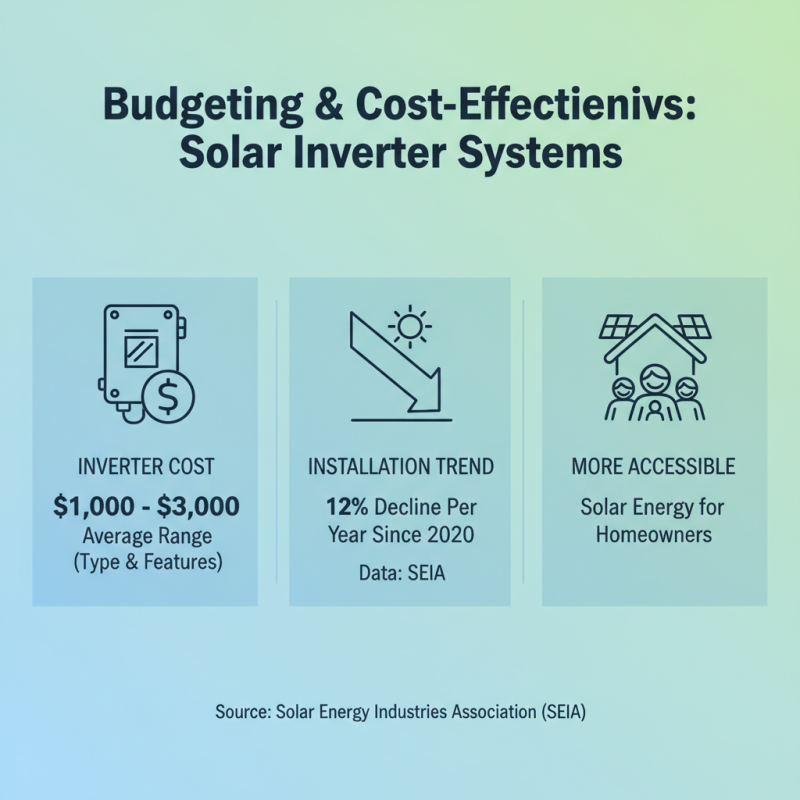
When considering inverter solar solutions, budgeting is crucial. The average cost of a solar inverter ranges from $1,000 to $3,000, depending on the type and features. According to the Solar Energy Industries Association, the installation cost of solar systems has declined by about 12% year-over-year since 2020. This trend makes solar energy more accessible for homeowners.
Cost-effectiveness also hinges on energy savings. A well-placed inverter can optimize energy usage. Studies indicate that a quality inverter can improve system efficiency by 15% or more. This improved efficiency translates to lower electricity bills over time. However, not all inverters offer the same performance. It's essential to weigh upfront costs against long-term savings.
Many consumers overlook long-term maintenance costs. While inverters typically have a lifespan of 5 to 10 years, replacing them can incur significant expenses. Data shows that around 20% of solar system failures are attributed to inverter issues. Careful planning and informed choices can mitigate these challenges. Balancing cost, efficiency, and durability is vital for maximizing your investment.