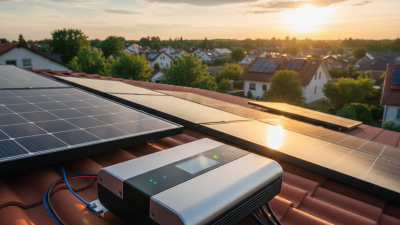
A solar power inverter is the working link between the electricity your panels produce and the power your home can use. Solar panels generate direct current, or DC. Most household appliances run on alternating current, or AC. The inverter converts DC into AC, while also monitoring the system and reporting how it performs. On a sunny afternoon, it helps turn the panels’ steady output into usable electricity for lights, appliances, and other loads.
The basic idea is simple. The details are not always simple. Inverters may also track panel output, respond to changing conditions, and disconnect from the grid when required for safety. Some systems use one central inverter; others use microinverters attached to individual panels. The right design depends on the roof, shading, system size, and equipment. A small patch of shade across one panel can affect different inverter designs in different ways.
Sean White, a solar educator and author, is a relevant industry expert, but no source was provided to verify a direct quotation from him. Rather than inventing one, this introduction states the core principle plainly: the inverter converts solar-panel DC into AC electricity. That description is useful, but incomplete. An inverter does more than change current; it helps manage how a solar system operates. Understanding those functions makes it easier to compare equipment and ask better questions before installation.
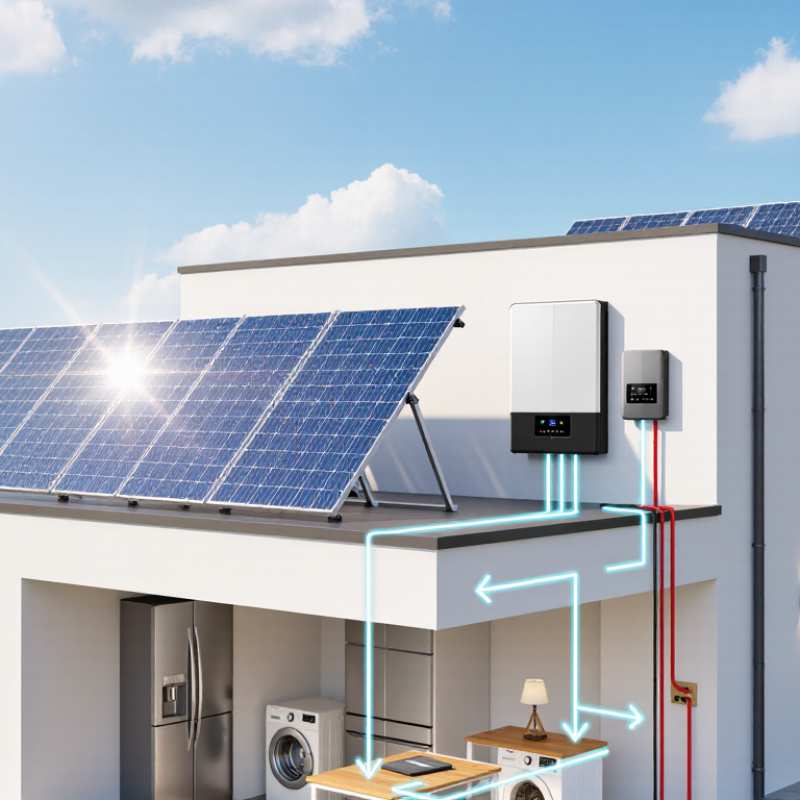
A solar power inverter changes direct current (DC) electricity from panels into alternating current (AC). Homes use AC for ordinary outlets, lighting, and appliances. That conversion matters. Without it, panel electricity would not match the form most household equipment expects.
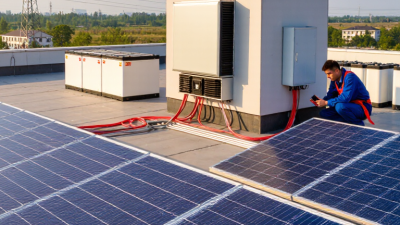
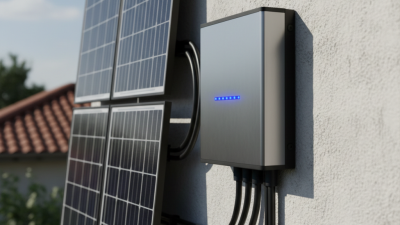
The inverter sits between the solar panels and the home’s electrical circuits, though the exact layout varies. In a common grid-connected system, DC travels from the panels to the inverter, then AC flows to the breaker panel and, when available, the utility grid. Some systems use small inverters at individual panels; others use one central unit. Batteries add another layer, since stored energy may need conversion in both directions. Diagrams can make the arrangement look simpler than it is. Shade, cable length, and system settings can all affect performance. Many inverters also display production data and flag faults, but their readings do not replace inspection. A qualified installer should plan the placement, ventilation, and electrical connections. Clear labels near the unit can make routine checks less confusing.
A solar power inverter is more than a box that changes direct current into alternating current. Inside, several components regulate energy, limit electrical risk, and prepare power for household circuits or the grid. DC input terminals carry electricity from the panels, while an isolator allows the DC side to be disconnected for servicing. The maximum power point tracking circuit adjusts the panels’ operating voltage and current as sunlight and temperature change. That is the tracking job.
The power stage uses fast electronic switches, commonly transistors, to shape DC into alternating current. Capacitors smooth voltage fluctuations; inductors and filters reduce unwanted electrical ripple before output leaves the inverter. NREL’s PVWatts documentation uses 96% as a default inverter efficiency in its model. This is a modeling assumption, not a promise for every device or operating condition. Small losses still matter.
A control board reads voltage, current, frequency, and temperature through sensors. It can reduce output or disconnect the inverter when readings fall outside safe operating limits. Heat sinks draw warmth away from switching components; blocked ventilation can make that task harder. Relays manage AC connection and disconnection. The layout varies by inverter type, so a diagram is more reliable than assuming every enclosure contains identical parts. In practice, the quietest component may be the one doing the most monitoring.
Solar panels produce direct current (DC), but most household outlets deliver alternating current (AC). A solar inverter bridges that difference. It switches the DC flow rapidly, shaping it into AC at the voltage and frequency expected by the home or local grid. The conversion is not perfectly lossless; a small portion becomes heat. That is normal.
As sunlight changes, the inverter tracks the panels’ best operating point, adjusting voltage and current to capture usable power. On a bright roof, output may rise quickly; passing clouds can make it fluctuate within minutes. The inverter measures these changes and reports production through a display or monitoring connection. Numbers are useful, though they cannot explain every dip: shade from a chimney, dust, or a loose connection may look similar at first.
Grid-connected models synchronize their AC output with the grid and stop exporting when grid power is unavailable, helping protect repair crews. Battery-ready systems may also direct energy into storage, depending on their design. In a real installation, cable length, temperature, ventilation, and system sizing all matter. An inverter in a hot, cramped space may work harder and age sooner. The wiring diagram is tidy; a roof rarely is.
A solar inverter does more than convert electricity. It turns the panels’ direct current into alternating current used by household appliances and the grid. It also adjusts the panels’ operating point as sunlight and temperature change, helping capture available energy. Small controls matter. The IEA PVPS Trends 2024 report estimates that global photovoltaic capacity reached about 1.6 terawatts by the end of 2023, after more than 400 gigawatts were added that year. At that scale, reliable conversion and grid coordination are essential.
For grid connection, the inverter matches the utility’s voltage, frequency, and phase before exporting power. Its protection functions monitor conditions and can stop export if the grid fails, reducing the risk of energizing lines during an outage. A grid-tied system may therefore shut down during a blackout unless it includes equipment designed for backup operation. Battery systems add another layer of control. They can direct power to storage, household loads, or the grid, depending on settings and system design. Requirements vary by location, so installation and commissioning need qualified professionals. I used to think inverter sizing was just a wattage calculation; it is not. Cable runs, heat, shading, and surge loads can change real performance. A neat spec sheet cannot show every rooftop’s quirks.
The chart compares solar-panel DC power with the AC power delivered by an inverter. The small difference represents conversion losses.
How it works: Solar panels produce DC electricity; the inverter converts it to AC for household use and grid export. Output varies with sunlight, while conversion is typically highly efficient under suitable operating conditions. For grid safety, grid-connected inverters synchronize with the grid and disconnect during an outage to prevent energizing lines being serviced.
Representative illustrative power profile; values are in kilowatts and do not describe a specific installation.
String inverters connect several solar panels into one electrical string. They suit homes and small businesses with clear, evenly lit roofs. If one panel is shaded, the string’s output can suffer, depending on system design. Simple, but not always forgiving. Microinverters attach to individual panels, helping systems with mixed roof angles or patchy shade. They also let installers monitor panel-level output, though they add equipment across the roof.
Central inverters handle large groups of panels and are common at utility-scale solar sites. Their scale can make maintenance more centralized, but a fault may affect a larger section of the array. Hybrid inverters manage solar electricity alongside battery storage, making them useful where backup power or self-consumption matters. They are not automatically the best choice: battery plans, roof layout, and service access all affect the decision. A qualified designer should check these details.
The market context is significant. IEA PVPS’s Trends in Photovoltaic Applications 2024 reports about 456 GW of new solar capacity installed worldwide in 2023, bringing cumulative capacity to roughly 1.6 TW. That scale includes very different projects, so inverter choice depends on the job, not a single universal ranking. I would also leave room for uncertainty: shade, heat, and future battery needs can change how a system performs over time.