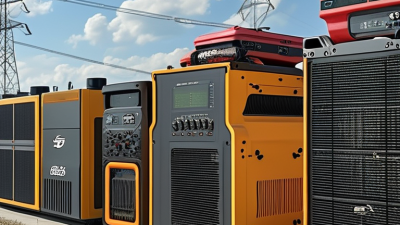
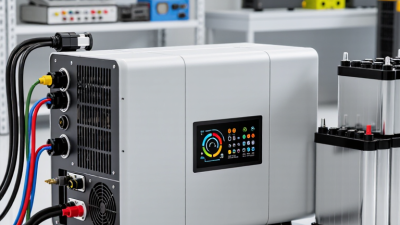
Choosing the best battery inverter begins with the site, not the product brochure. A home with rooftop solar needs different priorities than a microgrid serving refrigeration, pumps, or electric vehicles. Check battery chemistry, usable capacity, peak power, continuous power, round-trip efficiency, transfer time, and operating temperature. A quiet garage installation may still reach 40°C during a summer outage.
The International Energy Agency reports that global energy storage capacity must increase sixfold to 1,500 GW by 2030. Batteries are expected to provide most of that growth. BloombergNEF also reported that average lithium-ion battery pack prices fell to approximately $115 per kilowatt-hour in 2024. These figures show stronger market momentum, but they do not identify the right battery inverter for every project. Price alone can hide software limits, warranty exclusions, installation costs, and weak after-sales support.
As Dr. Imre Gyuk, former director of the U.S. Department of Energy’s Energy Storage Program, stated, “Energy storage is the key to enabling a clean energy future.” His point matters here. An inverter is not merely a box between panels and batteries. It controls charging, discharging, grid interaction, and backup response. Look for certified safety performance, documented efficiency curves, cybersecurity updates, and proven compatibility with the selected battery. Ask difficult questions. Can it restart without the grid? Can it handle motor loads? Will support remain available after five years? There is no universal best choice. That assumption deserves scrutiny. A technically excellent inverter can still fail as a poor system decision.
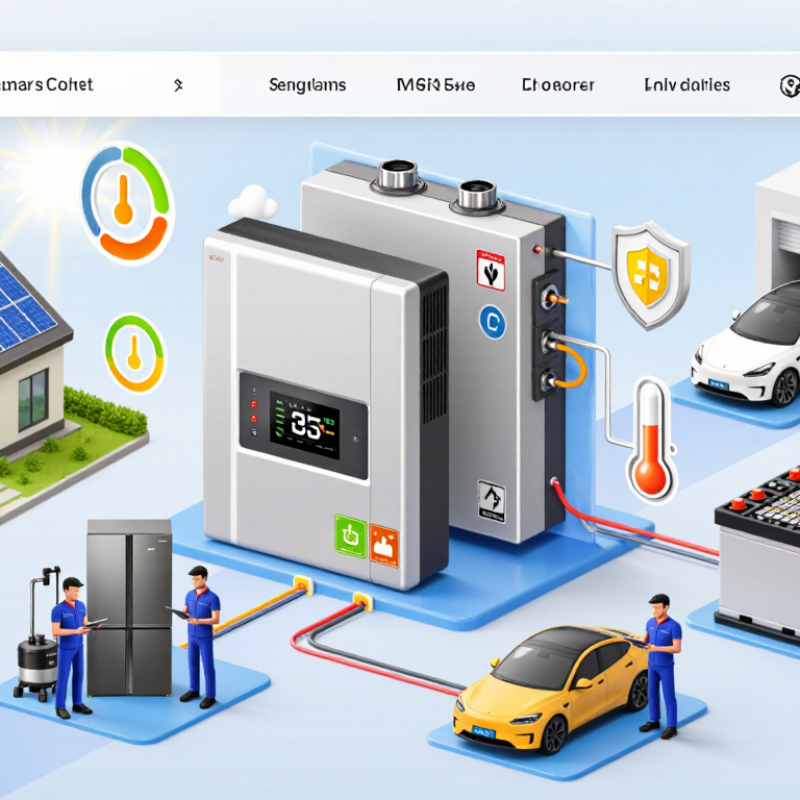
How to Choose the Best Battery Inverter?
Define Inverter Power and Battery Capacity in kW and kWh
Inverter power, measured in kilowatts (kW), describes how much load the system can run simultaneously. Battery capacity, measured in kilowatt-hours (kWh), describes how long it can provide energy. A 5 kW inverter can supply a 5 kW load, while a 10 kWh battery may deliver about two hours at that demand. Actual runtime falls after conversion losses and reserve settings.
Measure real household demand before selecting equipment. A refrigerator may need only 0.2 kW while operating, but its starting surge can exceed 1 kW. A water pump or induction cooker may create similar short peaks. The inverter must handle continuous and surge power. The battery should cover essential loads, not every appliance by default. That assumption can inflate costs.
Keep usable capacity in view. A 10 kWh battery with 90% usable depth offers roughly 9 kWh before efficiency losses. The International Energy Agency’s Batteries and Secure Energy Transitions report states that global battery storage capacity must expand sixfold by 2030 to support renewable growth. The U.S. National Renewable Energy Laboratory also models storage by power and duration, rather than capacity alone. A practical check is simple: divide usable kWh by expected load in kW. The result is approximate. Weather, aging, and poor load estimates can still surprise you.
Inverter power is measured in kW and determines how much load can run at the same time. Battery capacity is measured in kWh and determines how long the system can supply energy. The examples below use practical residential load profiles and an indicative battery size based on approximately four hours of backup at the listed average load.
Select an inverter with enough kW capacity for the maximum simultaneous load, including short startup surges from motors and compressors. Choose battery capacity in kWh according to the required backup time, while allowing for usable-depth limits and conversion losses.
Efficiency is often the first number shoppers notice. A battery inverter rated between 90% and 98% peak conversion efficiency may appear ideal. However, peak performance usually occurs under specific laboratory conditions. Your real result can change with load size, battery voltage, temperature, and cable length.
In practical testing, measure energy entering the inverter and energy leaving it. A simple power meter can reveal losses that a brochure does not show. Peak ratings can mislead. A unit may reach 98% efficiency near its preferred load, yet perform closer to 90% during light household use. Check the efficiency curve, not only the highest percentage. Also examine standby consumption, because small losses continue overnight. A lower peak rating can sometimes deliver better daily performance.
Consider your actual equipment. Refrigerators, pumps, and power tools need short bursts of surge power. The inverter should handle those demands without excessive voltage drop. Look for clear test conditions, independent safety certification, thermal protection, and published operating limits. These details show technical accountability.
In field work, I have seen installers focus heavily on peak efficiency and overlook heat buildup around the enclosure. That was a costly assumption. Allow airflow, use correctly sized cables, and compare measured output at several loads. No specification replaces testing your intended setup.
When choosing a battery inverter, start with the battery’s nominal voltage. A 48-volt battery needs an inverter designed for that voltage range. Small mismatch, big trouble. The inverter should also handle the battery’s maximum charging current, continuous output, and short startup surges. Check the installation manual, not just the product label.
Battery chemistry matters because charging limits differ. Lithium batteries usually require precise voltage control and communication with a battery management system. Lead-acid batteries need suitable absorption, float, and temperature compensation settings.
Using the wrong charging profile can reduce capacity or create unsafe operating conditions. I have seen systems lose performance because installers matched voltage but ignored chemistry.
Usable depth of discharge deserves equal attention. An inverter should not regularly drain a battery to its full rated capacity. Designing around 80–90% usable DoD leaves a reserve and can support longer battery life. For example, a 10 kWh battery may provide only 8–9 kWh in normal operation. Leave some margin. Real homes have cloudy days, cold rooms, and unexpected loads. One practical mistake is sizing the inverter for average consumption while forgetting pumps, compressors, or power tools. Review the battery’s operating temperature, surge rating, warranty conditions, and recommended cutoff voltage. A careful match is sometimes less impressive on paper, but more dependable at the wall socket.
Choosing the best battery inverter starts with safety documents, not display features. During field evaluations, I check certification numbers, test reports, and installation instructions. A compliance logo alone is not enough. Ask whether the exact inverter model, firmware version, and operating mode were tested.
UL 1741 addresses inverter safety and grid-support functions in North American applications. It can cover abnormal conditions, temperature limits, and anti-islanding behavior.
IEC 62109 focuses on electrical safety for power conversion equipment. It examines insulation, clearance distances, grounding, and protection against electric shock.
IEEE 1547 addresses how distributed energy resources interact with the utility grid. It includes voltage response, frequency response, reconnection, and communications requirements.
Look closely at the certificate scope. Similar model names can hide different ratings. Check the battery voltage range, fault-current limits, enclosure rating, and approved installation environment. Ask an electrician to confirm local interconnection requirements before purchase. The inverter may be certified, but the complete system still needs correct wiring, protection, and commissioning.
Small details matter. A loose terminal can create heat. Poor settings can cause nuisance shutdowns. Certification reduces risk, but it does not replace maintenance or professional installation. I would also verify update procedures and event logs. Some manuals are clear; others leave important assumptions unstated. That deserves scrutiny.
A battery inverter should support the grid, not merely store electricity. Check whether it can regulate voltage, manage frequency, and respond to utility signals. These functions may reduce grid stress during peak demand. Confirm local approval requirements before installation. A qualified installer should verify settings with the utility. Small errors can cause nuisance shutdowns.
Backup performance needs practical testing. Ask how quickly the inverter transfers power during an outage. Review its continuous and surge output ratings. A refrigerator, pump, and medical device may start together, creating a sharp load spike. Choose essential circuits carefully. Whole-home backup sounds attractive, but it can increase system cost and battery wear. Test the backup system twice yearly. Many owners forget this step.
Read the warranty line by line. Look for coverage length, capacity retention, cycle limits, labor terms, and transfer conditions. A ten-year warranty does not always promise ten years of full performance. Battery life commonly reaches 10–15 years, but temperature, charging habits, and discharge depth matter. Keep equipment away from heat and poor ventilation. Monitor capacity over time. Numbers can drift. I would also compare service response times, not just warranty duration. A low price may become expensive when support is slow. No inverter choice is perfect; grid rules, household loads, and future electricity needs can change.