China Top 10 Solar Battery Manufacturers for Global Buyers
China has become a major hub for solar battery manufacturing, serving residential, commercial, and utility-scale projects worldwide. This guide examines China’s top 10 solar battery manufacturers for global buyers.
The selection considers manufacturing experience, product reliability, safety testing, cell chemistry, warranty terms, and international service capabilities. Lithium iron phosphate technology remains important because it offers strong thermal stability and long cycle performance. However, battery quality depends on more than chemistry. Inverter compatibility, battery management systems, enclosure design, and installation support also influence real-world results.
Global buyers should examine certifications, factory quality controls, production capacity, and documented test data. A reliable supplier should explain usable capacity, charging limits, operating temperatures, and expected degradation. Clear warranty conditions matter, especially when systems operate in hot, humid, or remote locations. Ask for batch traceability, service contacts, and replacement procedures before signing a contract.
No ranking is perfect. Market data changes quickly.
Some manufacturers excel in large-scale storage, while others focus on compact residential systems. Pricing can also hide differences in cells, monitoring software, and after-sales support. Therefore, this overview is a practical starting point, not a final purchasing decision. Buyers should compare technical documents, request samples when possible, and verify performance claims through qualified testing. The phrase battery solar may sound simple, but dependable energy storage requires careful engineering from cell production to field maintenance. This article aims to provide a balanced, evidence-informed introduction for distributors, installers, project developers, and procurement teams seeking dependable Chinese suppliers.
What Defines a Reliable Solar Battery Manufacturer in China
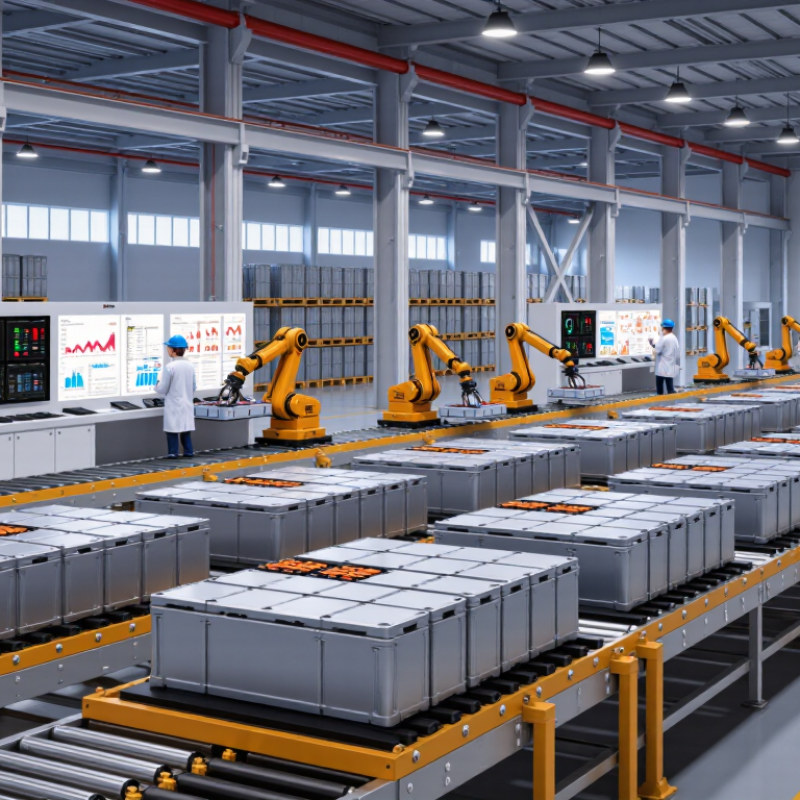
A reliable solar battery manufacturer in China shows more than a modern factory. It provides traceable cell records, stable production data, and clear testing procedures. During supplier evaluations, buyers should inspect incoming-cell controls, welding quality, and battery management system settings. Ask for recent test reports, not only standard certificates. Documents should match the exact battery model, capacity, and chemistry.
Safety evidence matters. Reliable manufacturers test thermal performance, overcharge protection, insulation, and transport conditions. Relevant certifications may include IEC, UL, and UN38.3 requirements, depending on the destination market. Factory audits can reveal practical details, such as fire controls, calibration records, and worker training. Small gaps often predict larger problems.
After-sales support also defines reliability. A capable supplier explains warranty limits, remote monitoring, spare-part access, and response times before signing a contract. It should share installation guidance for different climates, especially hot or humid regions. Experience with international shipping and local compliance reduces avoidable delays. Still, no manufacturer is perfect. Production changes, software updates, or communication mistakes can occur. Buyers should record agreed specifications and test samples before ordering large volumes. A dependable partnership is built through evidence, repeat testing, and honest discussion of weak points.
China’s Solar Battery Manufacturing Landscape and Global Market Role
China Top 10 Solar Battery Manufacturers for Global Buyers
China’s Solar Battery Manufacturing Landscape and Global Market Role
China has become a central production base for solar batteries and energy storage equipment. The International Energy Agency reported in 2024 that China holds more than 75% of global battery cell manufacturing capacity. This scale supports competitive pricing, faster component sourcing, and broad production choices for overseas buyers.
Solar deployment strengthens this position. The IEA’s Renewables 2024 report found that China added about 297 GW of renewable power capacity in 2023, including exceptionally strong solar growth. More panels require more storage, especially where evening demand rises after sunlight fades. Chinese factories now supply lithium iron phosphate systems, containerized storage units, battery modules, and integrated control equipment for residential, commercial, and utility projects.
The market is not perfectly simple. Higher output can create price pressure and inconsistent quality between suppliers. That matters. Global buyers should examine cycle-life test records, thermal management, warranty terms, and compliance documentation rather than relying on factory size alone. UL Solutions and TÜV Rheinland reports consistently emphasize testing, traceability, and system-level safety for stationary storage.
China’s export role will likely remain significant, yet supply chains are changing. The IEA notes that battery production is becoming more geographically diversified, although China retains a major cost and manufacturing advantage. Some buyers may discover that the cheapest quotation is not the lowest lifetime cost. That is an uncomfortable but necessary lesson.
Top 10 Chinese Solar Battery Manufacturers for International Buyers
For international buyers comparing the top ten Chinese solar battery manufacturers, product quality is only one part of the decision.
A reliable supplier should provide clear data on cell chemistry, usable capacity, cycle life, battery management systems, and operating temperature. Ask for test reports, safety certifications, factory addresses, and recent project references. Vague specifications deserve caution.
Manufacturers serving overseas markets often offer lithium iron phosphate batteries for homes, commercial buildings, and remote power systems. Buyers should check inverter compatibility, communication protocols, enclosure protection, and warranty conditions before placing an order. A battery may perform well in a showroom but behave differently in a hot warehouse or an unheated coastal site. Small details matter.
Request a sample or pilot shipment when possible.
Inspect labels, wiring, connectors, software access, and packaging damage. Confirm whether the quoted warranty covers capacity loss, labor, replacement shipping, and installation support. Delivery terms also need careful review, especially for large battery shipments and local compliance requirements. A common mistake is choosing the lowest price too quickly. I have seen buyers compare only battery capacity, then discover expensive integration work later. Chinese suppliers can be highly capable, but their documentation and after-sales response may vary. Keep written records, test real operating conditions, and leave room for honest reassessment.
How Global Buyers Can Select and Purchase Solar Batteries from China
China remains a major sourcing hub for solar batteries, supported by deep cell manufacturing capacity and mature supply chains. BloombergNEF reported an average lithium-ion battery pack price of 115 US dollars per kWh in 2024, down 20% year on year. This price movement creates opportunities, but quotations can hide differences in cells, software, warranty coverage, and testing.
Capacity is only the start. Request a complete technical sheet showing usable capacity, chemistry, cycle life, round-trip efficiency, operating temperature, and expected degradation. LFP chemistry is common for stationary storage because of its thermal stability and long service life. Ask for independent test reports, not only factory-issued documents. Verify IEC 62619, IEC 63056, UN 38.3, and relevant local grid requirements. Test records matter.
A careful buyer should audit production controls, traceability, incoming cell inspection, and end-of-line testing. Request sample units before placing a large order. Compare warranty terms by energy throughput and remaining capacity, rather than years alone. Confirm who handles remote monitoring, replacement parts, and field claims. Incoterms, packaging, insurance, and payment milestones also deserve written clarification. IRENA’s Renewable Power Generation Costs in 2023 shows solar PV costs fell about 90% from 2010 to 2023, increasing pressure on storage pricing. Yet the cheapest offer may carry hidden service risks. No checklist is perfect. A factory audit can still miss software weaknesses or future component changes. Keep technical promises, inspection rights, and remedies inside the contract.