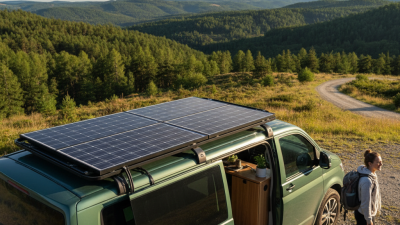
What Are the Top 10 Van Solar Panel Kits?
Choosing the right van solar panel kit is not simply a matter of adding more watts. Roof space, shade, battery capacity, weather, and daily electricity use all affect real performance. A compact camper may have room for one 200-watt panel, while a larger van can support several panels, a charge controller, and a larger lithium battery bank.
Industry data supports careful planning. The International Energy Agency reported in Renewables 2024 that solar photovoltaic technology represented about three-quarters of global renewable capacity additions in 2023. However, residential and mobile systems face different challenges than utility-scale arrays. The National Renewable Energy Laboratory’s PVWatts guidance highlights the importance of orientation, temperature, system losses, and shading when estimating solar output. A roof vent can cast a small shadow, yet reduce production more than many buyers expect.
This guide compares ten leading options using practical criteria, including panel efficiency, controller quality, battery compatibility, installation complexity, warranty coverage, and value. We also consider everyday details, such as running a 12-volt refrigerator overnight or charging a laptop beside a shaded forest campsite. Some kits look impressive on paper. They may still underperform in real travel conditions. No ranking is perfect. Product availability and pricing also change by region. Therefore, the best van solar panel kit is not always the largest or most expensive system. It should match the vehicle, energy habits, available roof area, and realistic sunlight exposure.
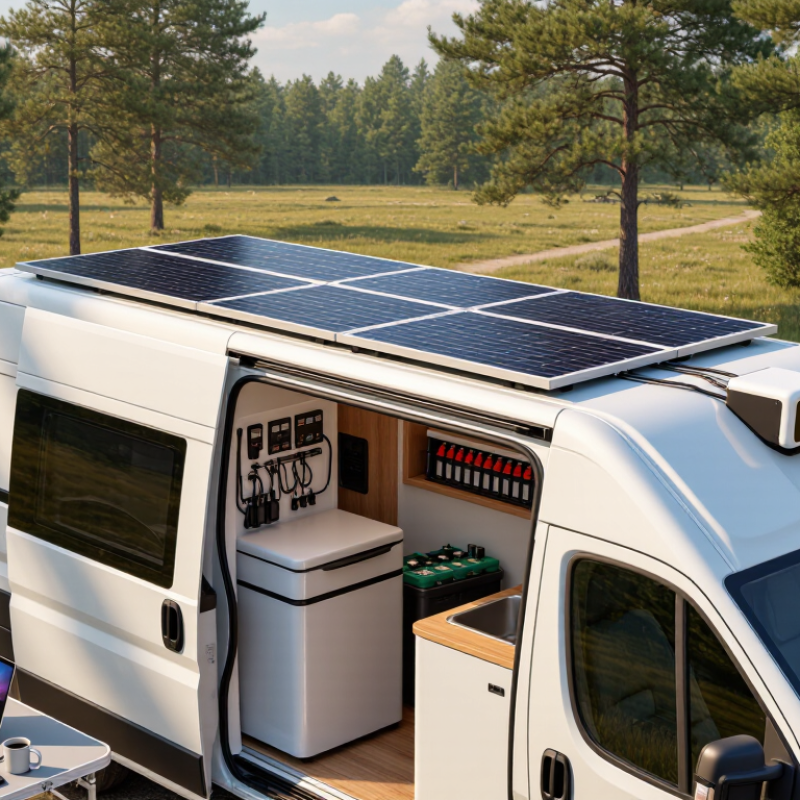
What Makes a Van Solar Panel Kit Suitable for Mobile Living
What Are the Top 10 Van Solar Panel Kits?
A suitable van solar panel kit should match your daily energy habits, not just your roof size. A compact setup may power lights, phones, a fan, and a small refrigerator. Larger systems can support cooking appliances, but they need more roof space and battery capacity. Check the panel’s real output under cloudy conditions. Marketing figures usually describe perfect sunlight. That difference matters during winter travel.
A dependable kit includes an efficient charge controller, correctly sized cables, secure mounting hardware, and clear installation instructions. An MPPT controller can improve charging performance when sunlight changes. The battery must also match the system’s voltage and usable capacity. In practice, shade from a roof vent can reduce production sharply. I once underestimated this effect, and the battery reached evening with less reserve than expected. That mistake showed why roof layout deserves careful planning.
Tips:
Measure your roof before choosing among the top ten kits. Leave space around vents and allow airflow beneath rigid panels. Use weather-resistant cable glands and inspect connections after rough roads. A monitoring display helps reveal slow charging, unusual battery drain, or a loose connection. Avoid choosing the highest wattage automatically. A balanced system often performs better in mobile living than an oversized kit with poor placement. Test your expected appliances for several days before final installation.
The Top 10 Van Solar Panel Kits by Features and Performance
The top 10 van solar panel kits stand out for different reasons, not identical specifications.
A 100-watt compact kit suits a weekend van with modest lighting needs. A 200-watt rigid kit offers stronger daily output and better heat resistance. A 300-watt system supports refrigerators, fans, and device charging more comfortably. Flexible panels reduce roof weight, although their surfaces may age faster in extreme heat. Portable folding panels provide useful backup power when parking beneath trees.
Performance changes with more than wattage.
A kit with an MPPT charge controller usually harvests energy more efficiently than a basic PWM controller, especially during weak sunlight. Lithium-compatible charging profiles improve battery management.
Low-loss cables, weather-resistant connectors, and clear monitoring displays also matter. One high-ranking option combines compact panels, an MPPT controller, and a 1,000-watt inverter for balanced everyday use. Another focuses on high-efficiency cells for limited roof space. A tenth option uses expandable panels, helping owners increase capacity later.
Real-world testing should include cloudy mornings, partial shade, and summer heat.
Numbers on a package rarely match rooftop output. I once underestimated cable length and lost valuable efficiency through a poor routing choice. That mistake still matters. Check roof dimensions, battery chemistry, controller capacity, and mounting strength before buying. Leave ventilation around the inverter, protect cables from sharp edges, and avoid placing panels where roof hardware creates regular shadows.
A reliable kit should fit the van’s routine, not merely produce the largest headline number.
How to Match a Solar Kit With Your Van’s Energy Needs
Choosing among the top 10 van solar panel kits starts with your actual energy habits, not panel size. List every device you use, including lights, fans, refrigerators, laptops, and water pumps. Multiply each device’s watts by its daily operating hours. A 45-watt refrigerator running for ten hours uses about 450 watt-hours. Add your other appliances, then allow 20–30% for wiring, conversion, and cloudy conditions.
A small van may suit a 100–200-watt kit with a modest battery. Larger vans often need 300–600 watts, especially when using induction cooking or medical equipment. Check the battery’s usable capacity, not only its advertised capacity. A battery rated at 1,000 watt-hours may provide less in daily use. Shade matters. Roof vents, racks, and air conditioners can reduce panel output sharply. Measure twice.
The charge controller must match the panel voltage and battery chemistry. A properly sized MPPT controller usually captures more energy during weak sunlight, but it cannot fix an undersized array. Portable panels can help when the roof is crowded, although setup takes time. Review each kit’s cable thickness, mounting hardware, fuse requirements, and weather rating. Some online comparisons overstate daily production because they assume perfect sun. Real trips are messier. Track your consumption for several days before buying, and leave expansion room if your habits may change.
What Are the Top 10 Van Solar Panel Kits?
Estimated daily usable energy from common van solar kit sizes, based on 4 peak sun hours and an 80% overall system efficiency.
A 100–300W system is generally suitable for basic lighting, phone charging, and small electronics.
Systems from 400–700W can support refrigeration, fans, laptops, and moderate daily usage.
Kits above 800W are better suited to high-consumption vans using multiple appliances or induction cooking.
Installation and Maintenance Considerations for Van Solar Systems
When comparing the top 10 van solar panel kits, installation details matter more than appearance. Measure the roof carefully, including vents, fans, and roof curves. Leave space around panels for airflow and future repairs. A rigid panel may deliver strong output, while a flexible panel can fit uneven surfaces. However, flexible panels can suffer earlier heat damage if installed without an air gap. That detail is easy to overlook.
Use correctly sized cables, sealed cable entries, and a charge controller matched to the battery chemistry. Disconnect the battery before making electrical connections. I have found that poor cable routing creates more trouble than the panels themselves. Secure every wire against vibration, especially near hinges and storage areas. Check local electrical requirements, because van conversions may follow different inspection rules. A professional inspection is sensible when the system exceeds your practical experience.
Tips: Clean panels with water and a soft cloth every few weeks. Avoid harsh cleaners. Inspect seals after heavy rain, then look inside for damp insulation or water marks. Check mounting hardware every few months. A loose bolt can become serious on rough roads. Monitor daily energy production, but do not trust one perfect reading. Shade, dust, temperature, and battery age all change the result. Keep a simple maintenance log. It may reveal gradual performance loss before the problem becomes expensive.