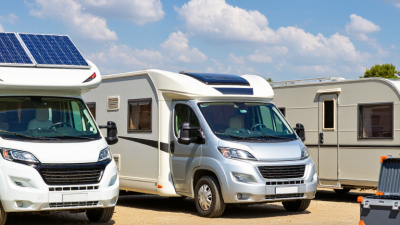
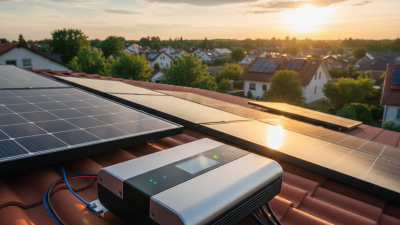
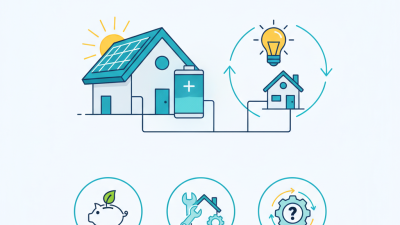
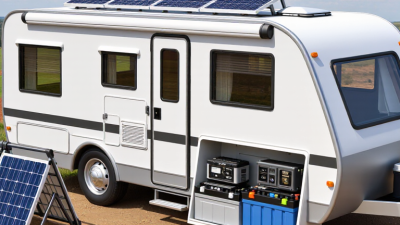
An rv solar panel captures sunlight and converts it into direct-current electricity. On a recreational vehicle, it can help replenish the house batteries while the vehicle is parked or traveling. The panel is only one part of the system. That distinction matters. Wiring, a charge controller, batteries, and sometimes an inverter determine how usable power reaches lights, a refrigerator, or charging outlets.
Sunlight travels from the panel through wiring to a charge controller, which manages the flow into the battery bank. When appliances need alternating-current power, an inverter converts the battery’s direct current. Clouds change the math. Output also depends on panel size, roof angle, shade from trees, battery condition, and daily energy use. A small branch shadow across one panel can noticeably reduce production, so a sunny campsite does not guarantee a full battery.
Understanding how an rv solar panel works makes it easier to compare portable and roof-mounted options, estimate realistic power needs, and spot claims that promise too much. A panel may keep essential devices running, but it cannot reliably power every appliance in every condition. Check the ratings for panels, controllers, batteries, and wiring as a complete system, and follow the manufacturers’ installation instructions. Actual results vary. Even a carefully planned setup can underperform during a stretch of cloudy weather, and that limitation deserves honest attention before a trip.
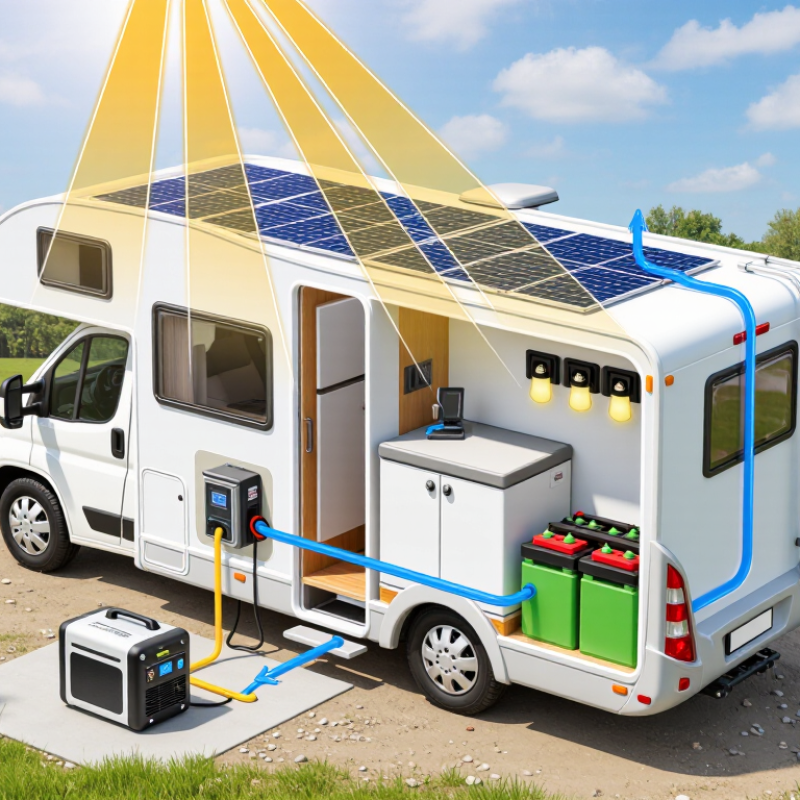
An RV solar panel is a photovoltaic module that turns sunlight into direct-current electricity. A charge controller regulates that power before it reaches the house battery. An inverter can then convert battery power into the alternating current used by some appliances. That is the practical chain. Panels can help run lights, fans, and small devices, but they do not guarantee unlimited power. NREL’s PVWatts model uses a 14% default system-loss assumption for standard estimates. RV conditions can differ: roof equipment may cast shadows, and panels may sit at a less-than-ideal angle.
A panel’s wattage rating describes output under test conditions, not what it will produce every hour on the road. A 100-watt panel, for example, may deliver less when partly shaded or dusty. The U.S. Department of Energy’s National Renewable Energy Laboratory notes that location, tilt, and shading affect solar estimates. A review by Jordan and Kurtz in Progress in Photovoltaics (2013) found a median PV module degradation rate of about 0.5% per year across reported results. That is a broad benchmark, not a promise for every RV panel. A roof’s heat, vibration, and nearby tree branches deserve attention too. The display may look reassuring, but checking actual daily battery use is more useful.
An RV solar panel converts sunlight into direct-current electricity through photovoltaic cells. The panel is only one part of the system. Sunlight produces power that travels through cables to a charge controller, which regulates charging and helps protect the house battery from overcharging. The battery stores energy for cloudy hours or nighttime use. Small detail, big consequence: loose connections can waste power and create heat, so wiring and overcurrent protection matter.
An inverter converts battery power into alternating current for household outlets; DC appliances can often use stored power without that conversion. Panel output depends on sunlight, temperature, shading, and roof angle, so a vent shadow can noticeably reduce production. NREL’s PVWatts documentation uses 14% as a default system-loss estimate and 96% as a default inverter-efficiency value. These are modeling assumptions, not guarantees for an RV installation. Real losses vary. A system also needs correctly sized cables, fuses, and a compatible controller and battery. It is tempting to focus on panel wattage alone, but storage capacity and daily energy use often decide whether the setup feels adequate.
| Component | Main Function | Typical Characteristics | How It Works in the System | Key Considerations |
|---|---|---|---|---|
| Solar panels | Capture sunlight and produce direct-current (DC) electricity. | RV installations commonly use rigid or flexible modules. A panel’s rated output is stated in watts under standardized test conditions; actual output varies with sunlight, temperature, shading, and panel angle. | Photovoltaic cells convert light into DC power. The wiring carries that power to the charge controller. | Roof space, partial shade, panel orientation, and cable routing affect energy production. Keep panels and connections properly secured and weatherproofed. |
| Solar charge controller | Regulates the power delivered from the panels to the battery. | Common types are PWM and MPPT. The controller must be compatible with the battery chemistry and rated for the array’s voltage and current. | It adjusts charging to help prevent overcharging and, on many models, provides battery protection and status information. MPPT controllers can convert excess panel voltage into additional charging current within their operating limits. | Follow the controller’s limits and the battery maker’s recommended charging settings. Correctly size wiring and overcurrent protection. |
| House battery bank | Stores energy for use when solar production is low or unavailable. | RV battery banks may use lead-acid or lithium-based batteries. A common RV house-system nominal voltage is 12 V, though other system voltages are used. | The controller charges the battery bank. DC appliances can draw power from it, and an inverter can use it to supply AC loads. | Usable capacity depends on battery type, temperature, age, and discharge limits. Use a battery-compatible charging profile and appropriate ventilation where required. |
| Inverter | Converts battery DC electricity into alternating-current (AC) electricity. | Inverter output is sized in watts. In North American RVs, many units provide approximately 120 V AC; output voltage depends on the RV’s electrical system and location. | It allows compatible household-style AC devices to run from stored battery power. It does not create energy, so its output draws energy from the battery. | Check continuous and surge ratings against the loads. High-power appliances can drain a battery quickly, and inverters have conversion losses. |
| Wiring, fuses, and disconnects | Connect system components and help protect circuits during faults or maintenance. | Wire size and protection ratings depend on current, cable length, installation conditions, and applicable electrical requirements. | Conductors carry power between the array, controller, battery, and inverter. Fuses or breakers can interrupt excessive current; disconnects allow circuits to be isolated. | Use appropriately rated components and install protection as specified by equipment instructions and electrical codes. Secure and protect cables from abrasion and heat. |
| Battery monitor | Helps track battery use and system status. | Some monitors measure current through a shunt; other systems estimate state of charge using voltage or controller data. | It reports information such as battery voltage, current flow, or estimated state of charge, helping users understand energy consumption and charging. | Readings are most useful when the monitor is installed and configured correctly. Voltage alone may not accurately indicate state of charge under changing loads. |
Power flow: Sunlight → solar panels → charge controller → house battery bank → DC appliances and, when needed, inverter-powered AC appliances. Actual performance depends on system design, weather, shading, and energy use.
An RV solar panel converts sunlight into direct-current electricity through photovoltaic cells. When photons strike a cell’s semiconductor, they set electrons in motion. The cell’s electric field guides that movement, creating a usable flow of current. Not magic, just physics. Sunlight does not need to feel hot to produce power, though bright, unobstructed skies usually help. A thin cloud or a rooftop shadow can reduce output, sometimes more than expected.
Wires carry the panel’s DC electricity to a charge controller, which regulates how it charges the battery. The battery stores energy for later, such as running lights after sunset. If an appliance needs household-style alternating current, an inverter changes the battery’s DC power into AC. Each step has limits: wiring, conversion, temperature, and battery condition can all affect the energy available. A small detail matters. Even a vent casting a narrow shadow may cut panel performance, depending on the system. It is easy to assume a sunny afternoon means a full battery, but daily use and available roof space matter just as much. Checking actual energy use is a more reliable starting point than guessing from panel size alone.
RV solar panels produce direct-current electricity, but batteries make that energy useful after sunset or under clouds. A charge controller regulates incoming power and protects the battery from excessive charging. The battery stores energy chemically, then supplies electricity to lights, fans, and an inverter when needed. It is not a perfect bucket: conversion losses, temperature, battery age, and wiring all affect usable capacity.
NREL’s 2024 Annual Technology Baseline uses about 85% round-trip efficiency for modeled lithium-ion storage systems. That figure is a useful benchmark, not a guaranteed result for an RV. A vehicle’s actual performance depends on its battery chemistry, controller settings, inverter, and daily loads. For example, a refrigerator cycling overnight can draw power while solar production is zero. A battery monitor helps reveal that drain, though its readings can still need calibration. Real systems are messier than diagrams suggest.
Tips: Check battery state of charge before running high-demand appliances. Keep cable connections clean and secure, and avoid routinely draining batteries beyond their manufacturer’s recommended limit. If the battery seems to lose capacity quickly, compare measured solar input with overnight consumption before adding panels.
An RV solar panel converts sunlight into electricity, but its rated wattage is only a starting point. Shade can sharply reduce production, even when only part of a panel is covered by a roof vent or tree branch. Sun angle matters too: a parked RV facing away from the midday sun may collect less energy than one positioned toward it. Output also changes with season, location, panel direction, and tilt. Real campsites rarely match laboratory conditions.
Heat and system losses matter. NREL’s PVWatts technical reference uses a default 14% loss allowance for grid-connected solar systems, including wiring, soiling, and other factors. That figure is not an RV performance guarantee, but it shows why rated watts rarely equal usable daily energy. Hot roof surfaces can also reduce panel efficiency, while a poorly matched charge controller or battery setup may limit how much energy is stored. Estimates can still miss the mark.