How to Choose the Best Solar Power Inverter for Your Needs?
Choosing the right solar power inverter is crucial for any solar energy system. It transforms the direct current (DC) produced by solar panels into alternating current (AC) for home use. The efficiency of this transformation can significantly impact energy savings and performance. When selecting a solar power inverter, consider factors like inverter type, capacity, and efficiency ratings. Each option has its advantages and disadvantages.
For example, string inverters are commonly used and cost-effective. However, if your installation has shading issues, microinverters may be a better choice. Also, pay attention to warranty offers. A longer warranty reflects the manufacturer's confidence in their product. It is important to reflect on your energy needs and your home’s layout before making a decision. Each household has unique requirements that can affect which inverter works best.
In this complex landscape of choices, it is easy to feel overwhelmed. Researching and gathering information is essential to make an informed decision. Seek advice from trusted solar energy experts. The right solar power inverter can lead to long-term benefits, including reduced energy bills and a lower carbon footprint. Remember, reflection on your unique situation is key to finding the optimal solution.
Understanding the Role of Solar Power Inverters in Your System
Solar power inverters play a crucial role in photovoltaic systems. They convert direct current (DC) from solar panels into alternating current (AC), which is used by most home appliances. A quality inverter ensures optimal energy conversion. According to the U.S. Department of Energy, inverters account for 10% to 15% of system efficiency. Selecting the right inverter can impact your system's performance significantly.
The inverter's efficiency rating is paramount. Most inverters have efficiency ratings between 95% and 98%. However, this number can vary under different operating conditions. Understanding how temperature and shading affect performance is essential. Inverter quality can degrade over time, which necessitates monitoring. Some studies suggest that improper installation and inadequate maintenance can lead to efficiency losses of up to 20%.
Another consideration is the inverter's features, such as monitoring capabilities and gridsupport functionality. These features can enhance energy management and evacuation during outages. EnergySage notes that users often overlook these aspects. They may choose based solely on price or brand. However, investing in a reliable inverter with advanced features might yield better long-term savings. Relying on generic information can lead to suboptimal choices. Understanding your specific energy needs is crucial.
Types of Solar Power Inverters: A Comprehensive Overview
When selecting a solar power inverter, understanding the different types is essential. There are primarily three types: string inverters, microinverters, and power optimizers. Each offers unique benefits and drawbacks. String inverters are the most common choice for residential setups. They are cost-effective and simple to install. However, their performance can decline if one panel in the series has issues.
Microinverters, on the other hand, are installed on each panel individually. This means if one panel underperforms, it doesn’t affect the others. While they tend to cost more upfront, the yield can be higher over time. Power optimizers serve as a middle ground. They work with string inverters to maximize efficiency by managing the performance of individual panels.
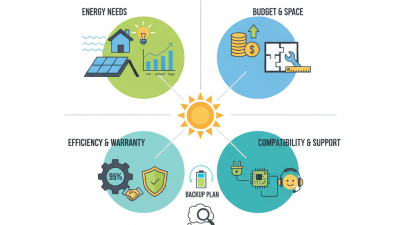
Consider the specific needs of your solar system. Analyze your roof layout, shading issues, and budget. A well-thought-out decision can enhance overall energy production. It’s also wise to consult with knowledgeable professionals. Their guidance can be invaluable. Mistakes in choosing the wrong type can lead to inefficiencies and regrettable costs. Always aim for durability and longevity in your selection process.
Key Features to Consider When Selecting a Solar Inverter
Choosing the right solar power inverter is crucial for optimizing your solar energy system. Consider factors like efficiency, compatibility, and warranty. According to the National Renewable Energy Laboratory, the average solar inverter efficiency ranges from 95% to 98%. Higher efficiency means more energy conversion and savings on utility bills.
Look for models that offer features like MPPT (Maximum Power Point Tracking). This technology helps maximize the energy harvested, especially during varying weather conditions. Research indicates that systems with MPPT can increase energy production by up to 30%.
Tips: Check the inverter's compatibility with your solar panels. Mismatching can lead to reduced performance. A solid warranty can offer peace of mind. Many manufacturers provide warranties ranging from 5 to 25 years.
Be mindful of the inverter's size. Oversized or undersized inverters may not function efficiently. Research shows that proper sizing can directly impact your energy output.
Also, consider the inverter's heating management capabilities. Inverters can heat up during operation, impacting performance. Units with effective cooling mechanisms tend to last longer. Always evaluate the long-term costs and benefits before making a decision.
Evaluating Efficiency Ratings and Performance Metrics
When selecting a solar power inverter, evaluating efficiency ratings and performance metrics is crucial. The efficiency of an inverter commonly ranges from 90% to 97%. Higher efficiency means more energy from your solar panels is converted into usable electricity. A report by the National Renewable Energy Laboratory highlights that even a 1% increase in efficiency can significantly boost energy output over time.
Consider the Maximum Power Point Tracking (MPPT) feature. This technology optimizes energy harvest during varying sunlight conditions. Inverters with advanced MPPT can improve performance by 20% or more compared to standard models. Additionally, look into the inverter's temperature coefficient. A lower temperature coefficient means better performance in high temperatures, which is vital in sunny climates.
**Tip:** Always check the inverter's warranty. A longer warranty can indicate better quality. Manufacturers that offer at least 10 to 15 years of coverage often prioritize reliability.
Be aware that the most expensive inverter is not always the best choice. Balance price with performance metrics. Research shows that mid-range inverters often offer a good compromise between cost and efficiency. It's essential you assess your unique energy needs and local conditions. Reviewing user feedback and energy reports can guide your decision.
How to Choose the Best Solar Power Inverter for Your Needs? - Evaluating Efficiency Ratings and Performance Metrics
| Inverter Type |
Efficiency Rating (%) |
Power Output (kW) |
Input Voltage Range (V) |
Weight (lbs) |
Warranty (Years) |
| String Inverter |
95 |
5 |
200-600 |
50 |
10 |
| Micro Inverter |
97 |
0.25 |
22-60 |
10 |
20 |
| Power Optimizer |
96 |
3 |
60-600 |
30 |
10 |
| Central Inverter |
94 |
100 |
600-1000 |
200 |
5 |
Assessing Warranty and Support Options for Longevity
When selecting a solar power inverter, warranty and support are crucial. Many customers overlook these aspects, focusing mainly on efficiency and price. A robust warranty can often indicate the manufacturer's confidence in their product. Look for warranties that last 10 years or more. This reflects durability, reducing concerns about long-term performance.
Support options are equally vital. A manufacturer should offer reliable customer service and technical assistance. It's helpful to check responses from other users. If support is slow or unclear, think twice. Online forums can provide insights into user experiences. Sometimes, companies fail to address common issues promptly, leading to frustrations.
Consider potential maintenance needs, too. Inverters might require updates or occasional repairs. Having a solid support network can make these moments easier. But sometimes, the lack of information in manuals can leave users puzzled. Remember to ask questions before purchasing. Being proactive can save future headaches. Think about these aspects to ensure your solar investment lasts.