How to Choose the Right Solar Panel Kit with Battery for Your Home?
Choosing the right solar panel kit with battery for your home can feel overwhelming. With numerous options available, making an informed decision is crucial. Solar energy is becoming increasingly popular. Many homeowners seek sustainable energy solutions. However, not all solar panel kits are created equal.
Understanding your home’s energy needs is essential. Consider how much power your household consumes. Evaluate your roof’s orientation and space. These factors directly impact the effectiveness of a solar panel kit with battery. Research on the different types of solar panels is vital. Each type has unique characteristics and efficiencies. You may need a combination of solar panels and batteries for optimal performance.
Ultimately, investing in a solar panel kit with battery is a significant decision. It can reduce your electricity costs and promote energy independence. However, it requires careful consideration. Striking a balance between cost, efficiency, and reliability is key. Reflecting on your specific needs and potential future changes is also important. Thoughtful planning can lead to lasting benefits for your home and the environment.
Understanding Your Home's Energy Needs and Usage Patterns
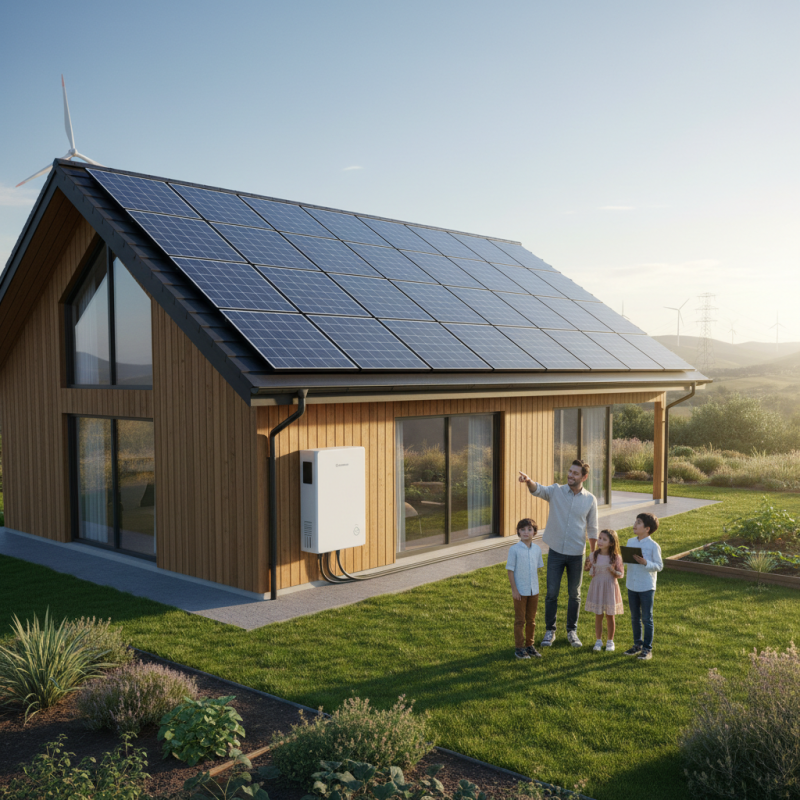
Understanding your home's energy needs is crucial when choosing a solar panel kit with a battery. Start by analyzing your electricity consumption. Review your past utility bills to determine how much energy you use each month. Look for patterns in your usage. Are there peak times when you consume more energy? Knowing this can help you decide how much solar power you'll need.
Consider the appliances that consume the most electricity. For instance, heating and cooling systems can significantly impact your energy needs. If you frequently use them, you might require a larger solar panel system. Additionally, reflect on your family's habits. Do you use energy-intensive appliances during the day or at night? This will influence whether you need a battery to store excess energy for later use.
Taking the time to understand your energy usage patterns can lead to a more efficient solar setup. You may realize that your initial assumptions about energy needs were off. It’s essential to adjust your expectations as you gather more data. This process may reveal areas where you can minimize energy consumption, such as investing in energy-efficient appliances. Ultimately, a well-informed decision about your solar panel kit can lead to significant savings and energy independence.
Solar Panel Kit Energy Production vs. Household Energy Consumption
Key Components of Solar Panel Kits: Types and Specifications
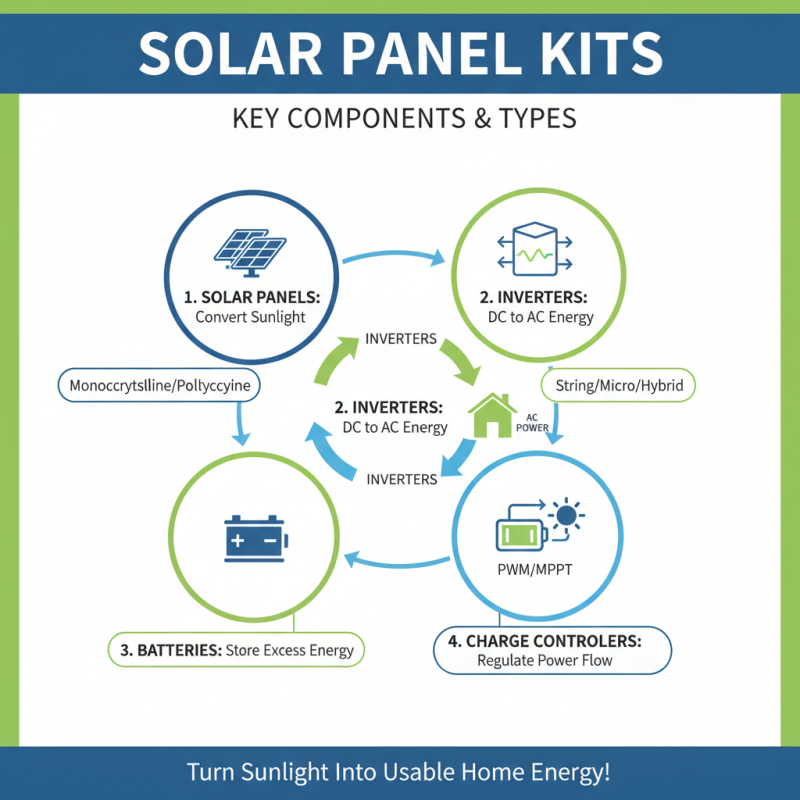
Choosing the right solar panel kit involves understanding key components. Solar panel kits typically include panels, inverters, charge controllers, and batteries. These elements work together to convert sunlight into usable energy for your home. Each component plays a vital role, and knowing their differences can affect your decision.
Solar panels come in various types like monocrystalline, polycrystalline, and thin-film. Monocrystalline panels tend to be more efficient. However, they are also pricier. Polycrystalline panels are less efficient but more affordable. Thin-film panels are lightweight and flexible but usually require more space. Evaluate your roof space and budget to make the best choice.
Tips: Consider your energy needs before purchasing. Analyze how much power your household consumes. This will guide you in selecting the right capacity for your battery. Additionally, examine the warranty periods of each component. Longer warranties often indicate more reliability. Choosing a solar panel kit is not just about price; it’s about long-term investment and sustainability.
Evaluating Battery Options: Capacity, Lifespan, and Efficiency
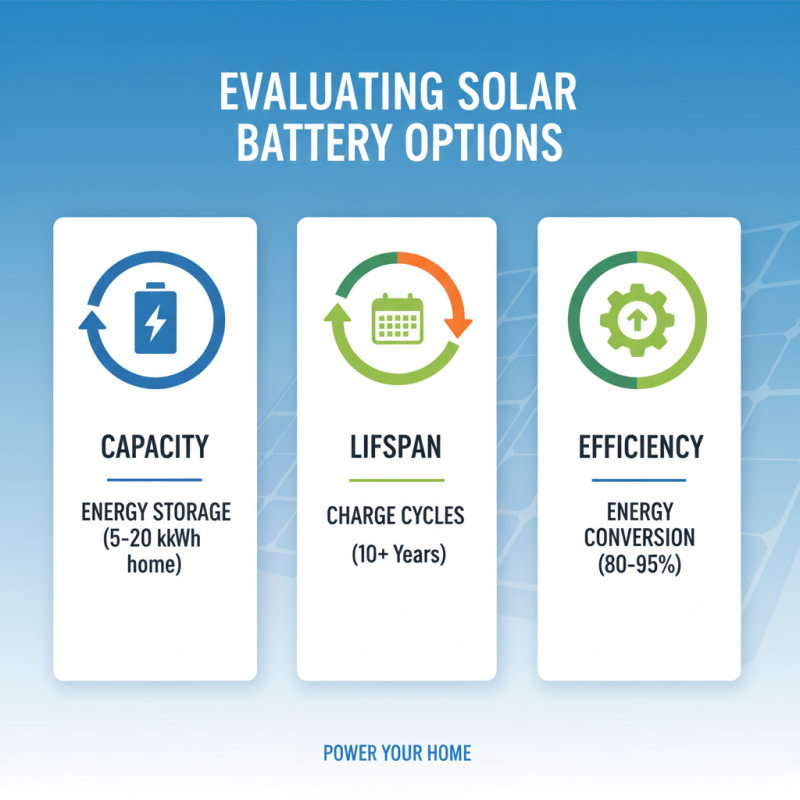
When choosing a solar panel kit with a battery, evaluating battery options is crucial. Battery capacity is one of the most important factors. It determines how much energy a battery can store. A higher capacity means you can use more energy during nighttime or cloudy days. Industry reports suggest a capacity range of 5 to 20 kWh for home battery systems. Assess your household’s energy needs carefully to find the right match.
Lifespan is another key consideration. Most lithium-ion batteries last between 10 to 15 years. However, performance can degrade over time. Studies show that batteries may lose around 20% of their capacity after a decade. This degradation can lead to higher costs if you need to replace the battery sooner than expected. Pay attention to warranties offered, as they often reflect the manufacturer’s confidence in their product.
Efficiency also plays a crucial role in your decision-making. Battery efficiency refers to how much energy is lost during charging and discharging. Most lithium-ion batteries offer an efficiency between 85% to 95%. This means some energy is wasted in the process. Understanding this can help you make informed choices. It’s essential to balance capacity, lifespan, and efficiency to optimize your solar panel kit investment.
Comparing Costs: Initial Investment vs. Long-Term Savings
When considering solar panel kits with batteries, understanding costs is crucial. The initial investment can seem high. Many homeowners wonder if the long-term savings make it worthwhile. A careful evaluation is necessary.
The initial costs encompass panel purchase, installation, and battery storage. Be prepared for potential installation challenges. These can add unexpected expenses. However, many rebates and tax incentives exist to ease this financial burden. Analyze your local incentives thoroughly.
Long-term savings often result from reduced electricity bills. Many find that net metering allows them to sell excess power back. This can significantly offset energy costs. Regular maintenance also plays a role in sustaining savings. Neglect can lead to decreased performance.
Tips: Before purchasing, estimate your energy needs accurately. Research local solar potential and consider your consumption patterns. Engage with professionals for tailored advice. Understanding these factors can lead to the most economical choice.
Selecting the Right Brand: Reliability and Customer Support Considerations
When selecting a solar panel kit with a battery for your home, reliability is key. A brand's history speaks volumes. Established companies often have a proven track record. Many households benefit from their years of quality service. Researching customer reviews helps identify trustworthy brands. Look for those with consistent positive feedback. A company that listens to customers tends to be more reliable.
Customer support is often underestimated. You may encounter issues or have questions. Prompt, helpful responses are essential. Check for available support channels, such as phone, email, or chat. Some brands have dedicated teams for post-purchase assistance. This could make a significant difference in your experience. Feel free to reach out and ask questions before making a commitment.
While many companies offer warranties, not all follow through. It's wise to read the fine print. A solid warranty indicates a brand’s confidence in its products. However, some customers find themselves frustrated with claim processes. Choosing a brand with a user-friendly warranty policy reflects positively on its reliability. Take time to weigh these factors before making your decision.
How to Choose the Right Solar Panel Kit with Battery for Your Home?
| Feature |
Importance Level |
Recommended Value |
| Efficiency |
High |
Above 18% |
| Warranty Period |
Medium |
10-25 years |
| Battery Capacity |
High |
5-15 kWh |
| Customer Support |
High |
24/7 Availability |
| Installation Service |
Medium |
Professional Installation |
| Price |
High |
$1,000 - $5,000 |