Why Choose an RV Solar Kit for Your Next Adventure?
As more adventurers seek freedom on the open road, the demand for RV solar kits has surged. Industry expert James Miller, a well-known figure in renewable energy, emphasizes, “A solar kit can transform how you explore the outdoors.” RV solar kits provide a reliable and eco-friendly energy solution during trips.
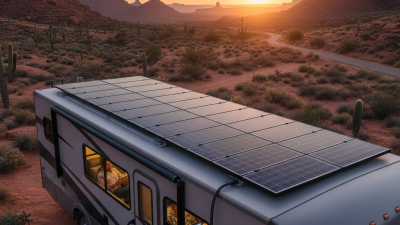
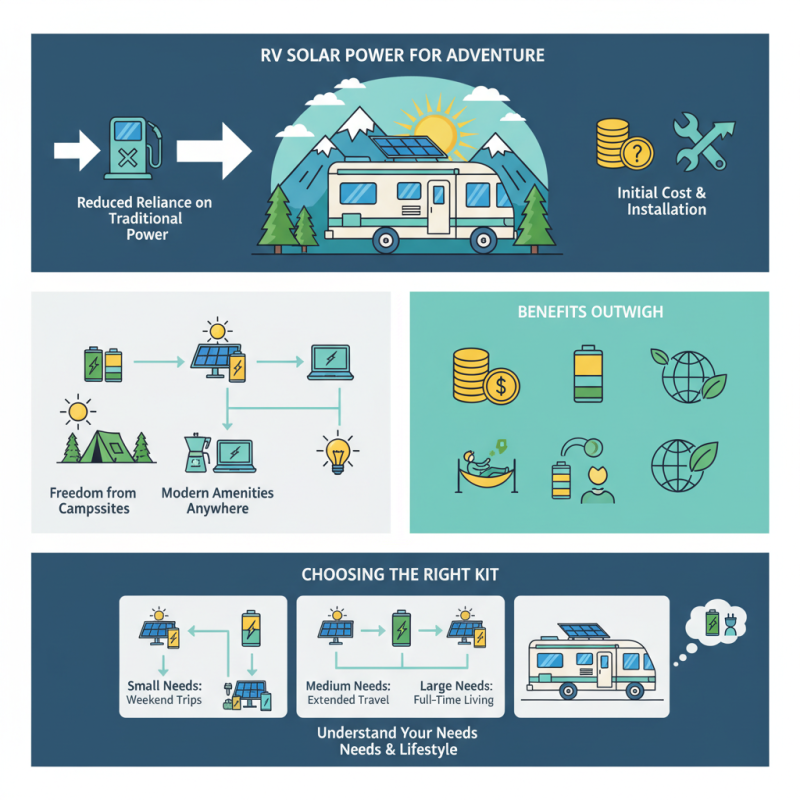
With a solar kit, you can harness the sun’s energy while traveling in your RV. This reduces reliance on traditional power sources, freeing you from campsites. Picture camping in a secluded area. The sun shines bright, your solar panels charge your batteries, and you enjoy modern amenities. Yet, many RV owners wonder if they should invest in such a system. Some may hesitate, unsure of the initial costs and installation. These concerns are valid, but the benefits often outweigh the limitations.
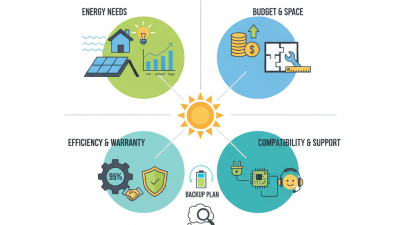
Choosing the right RV solar kit can be overwhelming. Available options vary in size, power output, and complexity. It’s essential to understand your unique needs and usage. Factors like battery capacity and energy consumption should guide your choice. Don't overlook your comfort and lifestyle. Exploring these elements might spark new insights into your adventure preparations.
Benefits of Using an RV Solar Kit for Sustainable Travel
Choosing an RV solar kit for travel is not just a trend; it’s a step towards sustainable living. Reports indicate that solar energy can reduce an RV's carbon footprint by nearly 90%. This is significant when considering that recreational vehicles contribute to larger environmental impacts during travel.
Using an RV solar kit allows for off-grid adventures. You can harness the power of the sun to run appliances, charge devices, and even power your air conditioning. According to industry estimates, RV owners save about $100 a month on average by using solar energy instead of traditional fuel sources. Over a year, that adds up significantly.
Tips: Always assess your energy needs before purchasing a solar kit. This way, you invest in an adequate system. Also, consider the weight and space of solar panels on your RV. Not all setups are perfect; some might require more maintenance than expected. Embrace flexibility and be ready to adapt your setup as necessary.
How an RV Solar Kit Enhances Off-Grid Camping Experiences
Camping off-grid is a thrilling experience, but it comes with challenges. An RV solar kit can significantly enhance your adventures. Imagine setting up camp in the wilderness with all the comforts of home. A solar kit provides electricity for lights, cooking, and other essentials. You can enjoy nature without worrying about draining your battery.
Solar power empowers campers to remain independent. No need to search for gas stations or electric hook-ups. As long as the sun shines, you have power. This reliability fosters a deeper connection with the environment. You become absorbed in your surroundings rather than tied to infrastructure. However, the initial setup and learning curve can feel overwhelming. Understanding how to optimize your solar energy usage requires time and practice.
With a solar kit, you might encounter unexpected hurdles. Weather conditions can affect efficiency. Cloudy days might leave you scrambling for alternative power sources. Yet, these experiences teach adaptability. Every challenge forces you to find creative solutions, making your journey memorable. This newfound resilience adds richness to your off-grid experiences, transforming difficulties into lessons.
Key Components of an RV Solar Kit Explained
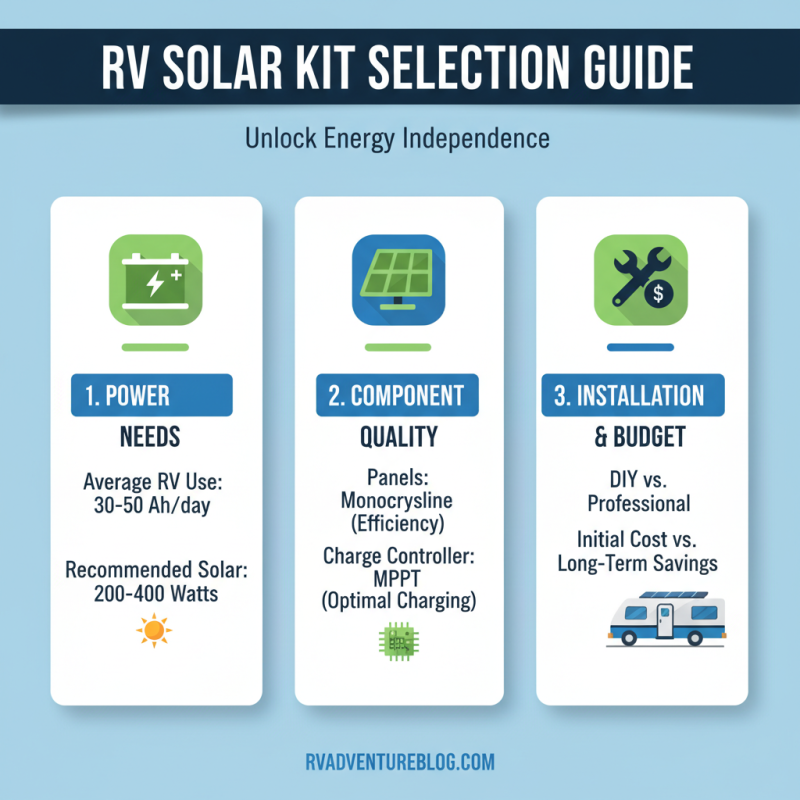
When considering an RV solar kit, understanding its essential components is crucial. A typical RV solar kit includes solar panels, a charge controller, batteries, and an inverter. These elements work together to harness solar energy effectively. Solar panels convert sunlight into electricity. They can vary in size and efficiency. Choosing the right panels affects your energy production significantly.
The charge controller regulates the power flow from the panels to the batteries. It prevents overcharging and ensures battery longevity. Choosing the right type of charge controller, whether PWM or MPPT, impacts energy efficiency. Batteries store the generated power for use when the sun isn't shining. Their capacity determines how much energy you can store for your adventures.
An inverter converts the DC power from the batteries into AC power for your RV appliances. The inverter's size is essential; it must match the power needs of your devices. Many RV owners overlook the capacity they require. Each component plays a significant role in creating a reliable solar system for your vehicle. Planning carefully can lead to a more enjoyable and sustainable journey.
Factors to Consider When Selecting an RV Solar Kit
When selecting an RV solar kit, several factors play a crucial role in achieving energy independence during your travels. Understanding your power needs is the first step. Many RV adventurers consume an average of 30-50 amp hours per day. A solar kit with a capacity of at least 200-400 watts may be suitable for most users.
Mounting options are another important consideration. Roof-mounted panels maximize sunlight exposure and efficiency. However, portable kits offer flexibility for on-the-go adventures. Consider the weight and size of the solar panels. They should fit well within your RV’s specifications.
Tip: Always calculate your daily energy consumption before purchasing. This will help prevent unexpected power shortages. Additionally, check the warranty and specifications of the solar kit. A reliable warranty can save you money in the long run.
Not all solar systems are created equal. Look for a kit with a good balance of solar panels, charge controllers, and batteries. A common mistake is to focus solely on panel wattage without considering overall system compatibility. Such oversight can lead to inefficiencies and dissatisfaction.
Installation Tips for Your RV Solar Kit for Maximum Efficiency
Installing an RV solar kit is a practical choice for many adventurers. According to a recent report by the U.S. Department of Energy, solar power can significantly reduce fuel costs and environmental impact. Proper installation ensures energy efficiency and maximizes the benefits of the solar system.
Start by assessing your RV's roof space. Ensure it’s free from obstructions. A clean, flat surface is vital for optimal solar panel performance. Position panels to capture maximum sunlight, ideally facing south. An adjustable mounting solution can improve sunlight exposure throughout the day. Proper wiring and spacing are also critical. Incorrect installations may lead to energy losses.
Pay attention to battery placement. Keeping batteries in a cooler area enhances their longevity. Using high-quality connectors reduces voltage drop. Consider using a solar charge controller to prolong battery life. Despite advancements, occasional issues may arise, such as shading or dirt buildup. Regular inspection can prevent efficiency loss. Always learn and adapt your setup based on performance feedback.