What Is the Best Solar Panel and Battery Kit from China?
Choosing the best solar panel and battery kit from China requires more than comparing prices or glossy product images. A reliable system must match your roof, energy use, climate, and local electrical requirements. The right solar panel and battery kit should provide consistent generation, safe storage, clear documentation, and dependable support after delivery.
China has a large and experienced solar manufacturing sector. However, quality varies between factories, models, and suppliers. Some companies produce panels for major international brands, while others offer limited testing and weak after-sales service. Buyers should examine cell technology, battery chemistry, inverter compatibility, warranty terms, and verified performance data. Independent certifications matter. So does factory traceability.
Look beyond the catalogue.
A practical evaluation includes checking temperature coefficients, cycle life, usable battery capacity, and protection systems. A battery advertised at 10 kWh may provide less usable energy after reserve limits and conversion losses. Installation quality also affects safety and long-term output. A professional installer should confirm cable sizing, ventilation, grounding, and grid connection requirements.
This guide compares important factors without assuming the cheapest kit is the best choice. It considers common Chinese manufacturers, system design, shipping concerns, technical support, and real-world reliability. Some specifications can look impressive but remain difficult to verify. That uncertainty deserves attention. Your household may need a smaller system, or a stronger battery than expected. Careful planning, documented testing, and realistic energy estimates can prevent expensive mistakes and improve the value of your investment.
Solar Panel Types in China: Monocrystalline Efficiency Reaches 20–23%
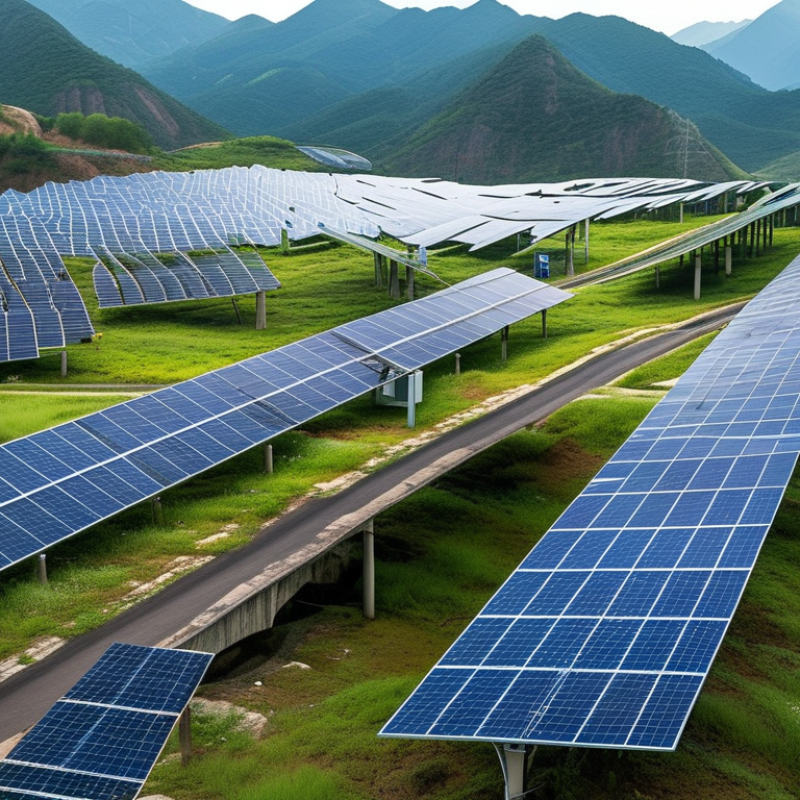
China’s solar market offers many panel and battery kit options, but efficiency deserves careful interpretation. Monocrystalline modules commonly reach 20–23% efficiency in current commercial products. The IEA Photovoltaic Power Systems Programme reported continued gains in module performance during its 2024 market review. These improvements help homeowners produce more electricity from limited roof space.
Efficiency measures sunlight converted into electricity under laboratory conditions. Real output also depends on temperature, shading, orientation, dust, and inverter losses. Fraunhofer ISE’s Photovoltaics Report 2024 noted that module efficiency varies significantly across technologies and testing conditions. A panel rated at 23% will not deliver that figure continuously. That is not everything.
For a complete kit, match the panel array with a battery’s usable capacity, round-trip efficiency, and cycle life. A 10-kilowatt-hour battery may store less usable energy after reserve limits and conversion losses. Industry testing usually reports battery performance under controlled conditions, not during a cold winter evening with heavy household demand. Small details matter. I would also check the warranty language, safety certifications, installation records, and local service capacity. The best kit is not automatically the highest-rated one. It should fit daily consumption, roof constraints, grid rules, and expected backup needs. Some published figures remain optimistic, so independent test data deserves more attention than impressive packaging claims.
Sizing a Solar Kit: Match Daily Loads, Peak Power, and 80% Depth of Discharge
What Is the Best Solar Panel and Battery Kit from China?
The best kit is not the largest one. It is the one matched to your daily loads and peak demand. The IEA PVPS Trends 2024 report recorded about 447 GW of new solar capacity worldwide in 2023. That growth makes selection easier, but sizing still requires local measurements.
List each appliance, its wattage, and operating hours. A 60-watt refrigerator running for 10 hours uses about 600 watt-hours daily. Add lighting, routers, pumps, and charging loads. Then measure peak power. A refrigerator may draw several times its running wattage during startup. The inverter must handle that surge without shutting down.
Battery capacity should reflect usable energy, not its label. At 80% depth of discharge, a 2,000 Wh battery provides roughly 1,600 Wh before reserve losses. Include inverter and wiring losses. The U.S. Department of Energy commonly reports lithium-ion storage efficiencies near 85–95%, depending on system design. NREL’s PVWatts documentation also uses approximately 14% default system losses, although real sites vary. Weather is less polite than spreadsheets.
Panel output needs local sunlight data. A 1 kW array may produce far less during cloudy winter days. My first estimate would probably be too optimistic without seasonal records. Leave expansion space, and verify surge ratings, charging limits, and safety certifications before purchase.
What Is the Best Solar Panel and Battery Kit from China? — Sizing a Solar Kit: Match Daily Loads, Peak Power, and 80% Depth of Discharge
Planning assumptions: 4 peak-sun-hours per day, 80% overall PV system efficiency, one day of battery autonomy, and an 80% maximum depth of discharge for the battery.
| Load or System Item |
Typical Rating |
Daily Runtime |
Daily Energy |
Small Home Kit |
Medium Home Kit |
Large Home Kit |
| LED lighting |
10–15 W per lamp |
4–6 hours |
0.2–0.4 kWh/day |
4 lamps |
8 lamps |
12 lamps |
| Refrigerator |
100–180 W running |
8–12 hours equivalent |
0.8–1.5 kWh/day |
1 unit |
1 unit |
1 unit |
| Television and media equipment |
60–150 W |
3–5 hours |
0.2–0.7 kWh/day |
0.3 kWh |
0.6 kWh |
0.8 kWh |
| Router, chargers, and standby loads |
15–60 W |
8–24 hours |
0.2–0.8 kWh/day |
0.3 kWh |
0.6 kWh |
0.8 kWh |
| Computers and small appliances |
100–500 W |
1–4 hours |
0.3–1.5 kWh/day |
0.5 kWh |
1.2 kWh |
1.8 kWh |
| Water pump or power tools |
500–1,500 W |
0.2–1 hour |
0.2–1.0 kWh/day |
0.3 kWh |
0.8 kWh |
1.2 kWh |
| Cooking or heating loads |
800–2,000 W |
0–2 hours |
0–3.0 kWh/day |
Not recommended |
1.5 kWh |
3.0 kWh |
| Estimated total daily energy |
— |
— |
3.0 kWh/day |
3.0 kWh/day |
8.0 kWh/day |
15.0 kWh/day |
| Estimated simultaneous peak load |
Starting surges included |
Short-duration demand |
— |
1.8 kW |
4.5 kW |
7.5 kW |
| Recommended inverter continuous rating |
Peak load plus operating margin |
— |
— |
2.5–3 kW |
5–6 kW |
8–10 kW |
| Recommended inverter surge rating |
For motors and compressors |
Seconds |
— |
5–6 kW |
10–12 kW |
16–20 kW |
| Usable battery energy required |
One day of autonomy |
— |
Daily load × 1 day |
3.0 kWh |
8.0 kWh |
15.0 kWh |
| Nominal battery capacity at 80% DoD |
Usable energy ÷ 0.80 |
— |
— |
3.75 kWh |
10.0 kWh |
18.75 kWh |
| Recommended practical battery size |
Includes reserve and aging margin |
— |
— |
5 kWh |
12 kWh |
20–25 kWh |
| Minimum calculated PV array |
Daily load ÷ (4 sun-hours × 0.80) |
Daily generation |
— |
0.94 kW |
2.50 kW |
4.69 kW |
| Recommended practical PV array |
Adds weather and seasonal margin |
— |
— |
1.2–1.5 kW |
3.0–3.5 kW |
5.5–6.5 kW |
| Example panel configuration |
Using 450 W panels |
— |
— |
3–4 panels |
7–8 panels |
13–15 panels |
| Best fit for this kit size |
Typical application |
— |
— |
Lighting, refrigeration, communications, and essential electronics |
Full household essentials, appliances, pumps, and limited cooking |
High-consumption homes, multiple appliances, pumps, and larger backup needs |
Actual sizing should be verified with measured appliance consumption, local solar irradiation, battery temperature limits, inverter efficiency, panel orientation, shading, and the required number of backup days. High-power heating and electric vehicle charging can increase the PV, battery, and inverter requirements substantially.
Evaluating Safety and Quality: Check IEC 61215, IEC 61730, and UN38.3
Choosing the best solar panel and battery kit from China starts with documented safety, not attractive specifications. IEC 61215 shows that a photovoltaic module has passed design and performance testing under defined environmental conditions. It does not guarantee unlimited output. IEC 61730 focuses on electrical and mechanical safety, including insulation, fire risk, and protection against shock. Request the complete certificate, test report, exact model number, and production revision. A similar-looking module may not share the same approval.
The battery requires separate attention. UN38.3 confirms that lithium batteries have completed required transport safety tests, including vibration, impact, overcharge, and temperature exposure. It is essential for shipping, but it does not replace a complete battery safety assessment. Check the battery management system, cell traceability, enclosure strength, operating temperature, and emergency disconnect design. Ask whether the supplied inverter matches the battery voltage and communication protocol. Small incompatibilities can create large failures. I have seen datasheets look convincing while the wiring details remained unclear.
Tips: Ask for samples before bulk purchasing. Photograph labels and connectors. Compare the certificate model with the physical unit. Require recent factory inspection records, warranty terms, and clear service contacts. Independent verification is worth the extra time. Certification helps, but careful checking still matters.
What Is the Best Solar Panel and Battery Kit from China?
Reference publication years for the key safety and quality standards used when evaluating solar modules and lithium batteries.
IEC 61215:2021 addresses design qualification and type approval for terrestrial photovoltaic modules. IEC 61730:2016 addresses photovoltaic module safety construction and testing. UN 38.3 is the battery transport-testing framework in the UN Manual of Tests and Criteria; its eighth revised edition was published in 2023. These standards help verify safety and reliability, but buyers should also request valid test reports, certification scope, cell specifications, protection-system details, and installation guidance.