Top 10 Solar Power Tips You Need to Know for Home Use?
In today's world, embracing solar power is no longer just a trend; it is a necessity. James Smith, a renowned expert in renewable energy, states, “The sun is an untapped resource waiting to be harnessed.” This insight highlights the potential of solar energy for homeowners looking to reduce their carbon footprint.
Many homeowners overlook essential solar power tips that can significantly impact their savings and efficiency. Choosing the right solar panels is crucial. Consider their energy output and warranty. Additionally, understanding local regulations can prevent unnecessary complications. Too often, people dive into solar without adequate research.
Investing in solar power requires thoughtful reflection. It is essential to assess your energy needs and the best positioning for panels to capture sunlight effectively. Not everyone can make a seamless switch to solar power. Recognizing challenges, such as initial costs or space limitations, is part of the journey. Ultimately, with the right knowledge, the transition to solar can create lasting benefits for your home and the environment.
Understanding the Basics of Solar Power for Home Use
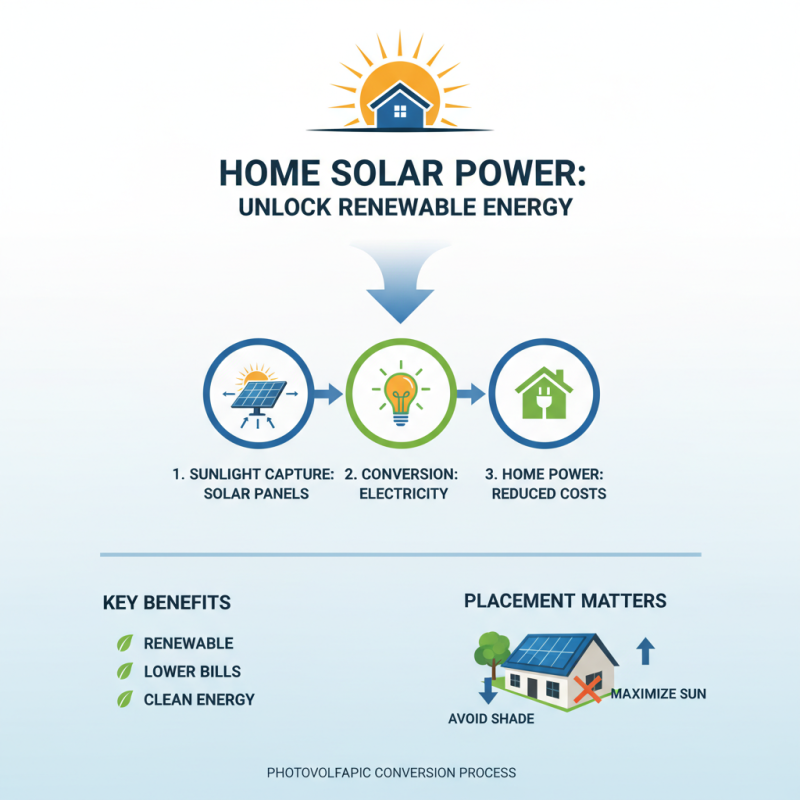
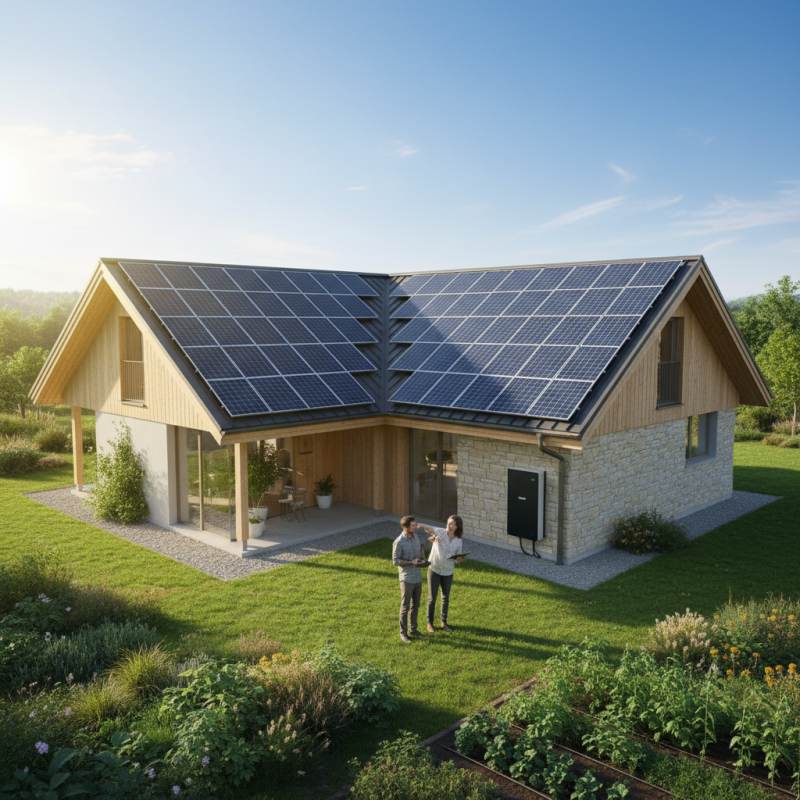
Solar power is a renewable energy source that can significantly reduce home energy costs. Understanding how it works is essential for effective use. Solar panels convert sunlight into electricity. This process is known as photovoltaic conversion. Homeowners can install solar panels on rooftops or in yards. Placement matters; shading from trees can decrease efficiency.
To maximize solar power benefits, assessing your home's energy needs is vital. Estimate your daily usage and choose a system that meets those demands. It's also important to consider your local climate. For instance, areas with frequent cloud cover might produce less energy. Solar energy production can be inconsistent, especially during winter months. Backup systems are often necessary to ensure a steady power supply.
Using solar power also involves some drawbacks. Installation costs can be high upfront. Maintenance is required to keep panels clean and functioning. Technology changes frequently, which might lead to outdated systems. It's critical to weigh the pros and cons. Understanding these factors helps in making informed decisions for your home.
Evaluating Your Home's Solar Energy Potential
Evaluating your home's solar energy potential is crucial. Start by assessing your roof's orientation. South-facing roofs usually capture the most sunlight. Check for any obstructions like trees or buildings. They may block sunlight during certain hours. You can measure this with a simple shadow test.
Next, consider your energy consumption. Analyze past utility bills to find your average energy use. This helps in determining the size of the solar system you'll need. Some households underestimate their power needs, leading to insufficient energy supply. It's essential to reflect on how much energy you really consume.
Weather patterns in your area also matter. If you live in a cloudy region, solar energy may not be as effective. Seasonal changes can drastically affect solar output. It’s wise to think about these factors before installation. Assessing your home’s solar potential opens the door to efficient energy use. However, it needs careful planning and honest evaluation.
Top 10 Solar Power Tips You Need to Know for Home Use - Evaluating Your Home's Solar Energy Potential
| Tip Number |
Tip Description |
Potential Savings (%) |
Best Use Case |
| 1 |
Evaluate Roof Angle |
15-25% |
Optimal Solar Exposure |
| 2 |
Inspect for Shade |
20-30% |
Avoid Obstructions |
| 3 |
Calculate Energy Needs |
10-40% |
Energy Efficiency |
| 4 |
Choose Right Equipment |
15-35% |
High Efficiency Modules |
| 5 |
Consider Battery Storage |
10-30% |
Energy Independence |
| 6 |
Take Advantage of Tax Incentives |
20-40% |
Cost Reduction |
| 7 |
Monitor System Performance |
5-15% |
Maximize Output |
| 8 |
Educate Yourself About Solar |
N/A |
Knowledge for Better Decisions |
| 9 |
Join Community Solar Initiatives |
15-20% |
Shared Resources |
| 10 |
Understand Local Regulations |
N/A |
Compliance & Planning |
Choosing the Right Solar System for Your Needs
Choosing the right solar system for your home is crucial. Start by assessing your energy needs.
Calculate your average monthly energy consumption. This will help you determine the size of the solar system you will need.
Don't forget to consider future energy needs, too. Adding devices or expanding your family can increase your usage.
Next, think about your roof's condition and orientation. A south-facing roof gets the most sunlight.
Examine if there are any obstructions, like trees or buildings. These can create shade and reduce efficiency.
The roof's age matters, too; an old roof might need repairs before installation.
Look into various types of solar panels available. Not all panels have the same efficiency.
Different technologies can produce different outputs. Some options may not fit your budget.
Be open to comparing costs and benefits. It might feel overwhelming, but taking the time to research can lead to a more informed choice.
Missing the right fit can lead to disappointment down the line.
Maximizing Energy Efficiency with Solar Power
Maximizing energy efficiency with solar power can transform your home into a sustainable haven. Start by assessing your energy needs. Identify areas where you consume the most. Consider appliances that use excessive energy. Looking closely can reveal surprising insights. For instance, an old refrigerator might drain power. Replacing it can significantly reduce costs.
Efficient solar panel placement is crucial. Aim for a spot that receives maximum sunlight throughout the day. Trees or buildings casting shadows can hinder performance. Regular maintenance is also essential. Dust and debris on panels reduce their efficiency. A simple cleaning can make a noticeable difference. Stay mindful of these factors.
Utilizing energy storage options enhances efficiency. Batteries can store excess power generated during the day. This stored energy can be used during peak hours. However, be aware that not all storage systems are equal. Some may be more costly than beneficial. Regularly evaluate your setup to ensure it's working optimally.
Maintenance and Monitoring Tips for Solar Installations
Regular maintenance is essential for solar installations to operate efficiently. Clean the solar panels regularly to ensure optimal sunlight absorption.
Dust and debris can accumulate, reducing energy output. A simple rinse with water can help, but ensure safety while doing this.
Inspect for any physical damage or wear on the panels. Small issues can escalate if not addressed promptly.
Monitoring performance is equally important. Install a monitoring system to track output and identify any anomalies. If the production drops significantly, it may indicate a problem.
Consider keeping a log of daily energy production.
This can help in spotting trends or irregularities over time. Regular check-ins can save future repair costs.
Do not overlook the inverter, which converts solar energy into usable electricity.
It requires inspections to ensure it’s functioning correctly. Some homeowners may neglect this detail, leading to unnecessary downtime.
Balancing maintenance tasks can be a challenge but is essential for maximizing investment in solar energy.