2026 Top Solar Panel Innovations and Trends to Watch
As the world shifts towards renewable energy, innovations in solar panels have become crucial. According to the IEA, solar energy capacity is expected to reach 4,800 GW by 2026. This figure represents a growth of over 60% in just five years. With such rapid expansion, new technologies are emerging, shaping the future of solar energy.
One significant trend is the development of bifacial solar panels. These panels can capture sunlight from both sides, increasing efficiency by up to 30%. However, while these innovations look promising, they pose questions about durability and installation costs. Reliability remains a concern for consumers, contributing to the need for continued research.
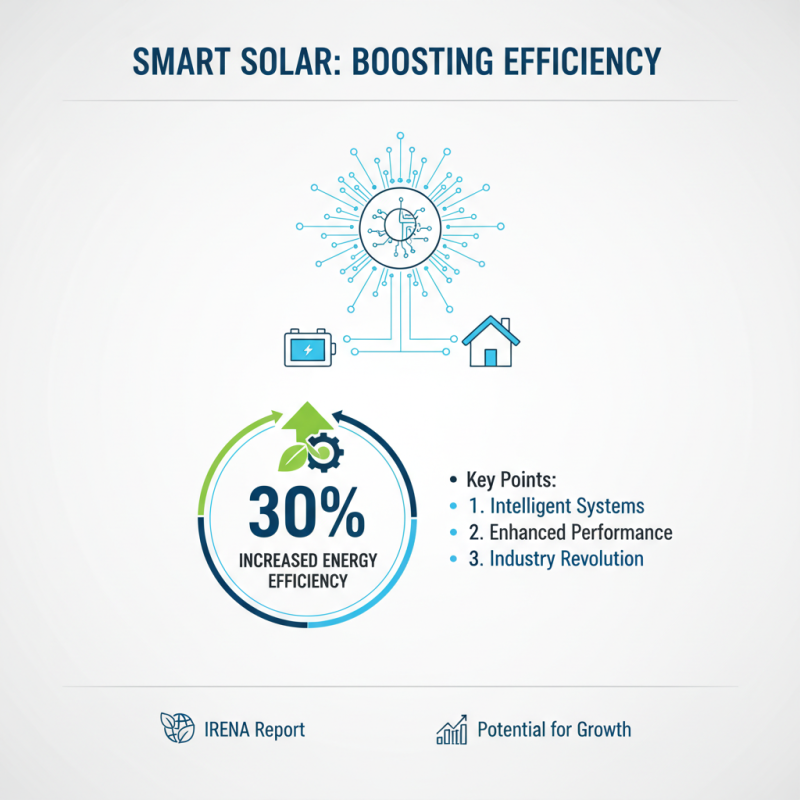
Additionally, smart solar panels are gaining traction, integrating IoT technology. They allow for better energy management but can also raise issues regarding data privacy. The balancing act between innovation and security remains a challenge. As we approach 2026, these advancements in solar panels hold great potential but also require thorough examination.
Emerging Technologies in Solar Panel Design for 2026
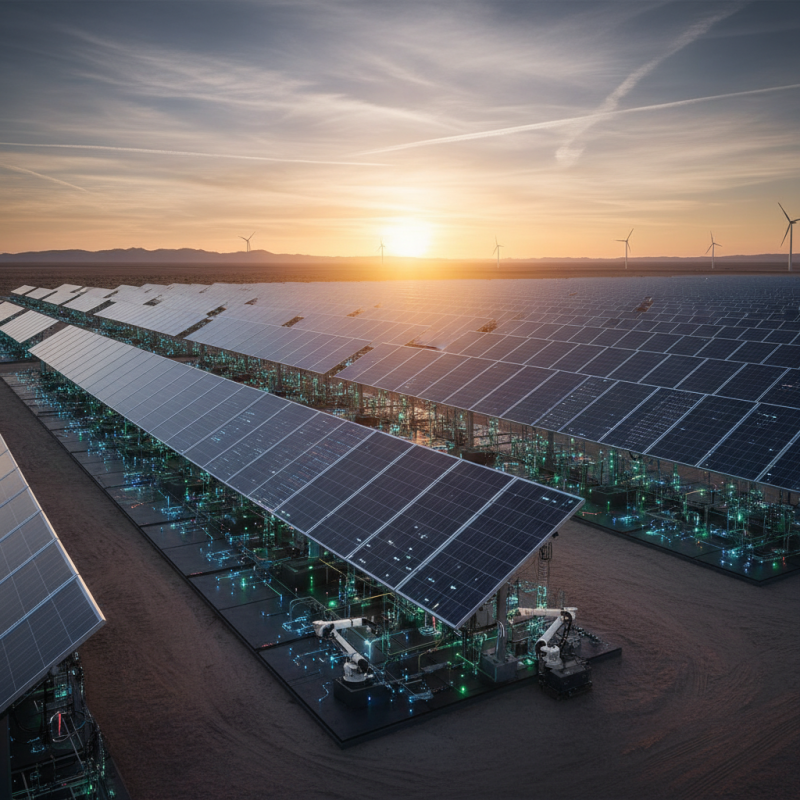
In 2026, the solar panel industry is set to witness transformative innovations. Advanced materials like perovskite are gaining traction. These materials can enhance efficiency while reducing costs. They also enable lighter panels, ideal for urban installations. However, scalability remains a challenge. Researchers are still working to overcome stability issues in various environmental conditions.
Innovative designs are on the horizon. Bifacial panels are capturing sunlight on both sides. This approach could increase energy generation significantly. Yet, this technology requires substantial investment and precise installation techniques. Integrating solar cells with building materials is another trend. Solar windows and facades may change cityscapes. Still, the aesthetic implications are a topic of debate among architects and urban planners.
Smart technology is enhancing energy management. Solar panels will interact with home automation systems. This will optimize energy consumption in real-time. However, reliance on technology introduces vulnerabilities. Cybersecurity concerns could emerge in smart grid integrations. These advancements promise much, but they also entail careful consideration.
Enhancements in Solar Efficiency and Energy Conversion Rates
The solar energy sector is evolving rapidly. Innovations are pushing the boundaries of solar efficiency and energy conversion rates. The latest data from industry reports indicates that solar panel efficiency has increased significantly, reaching an average of 22.3% in 2023. This is a notable jump from previous years and showcases advancements in photovoltaic technology.
In 2026, we can expect even more significant gains. New materials, like perovskite solar cells, promise to enhance energy conversion rates beyond the current capabilities. These materials are not only more efficient but also cheaper to produce. However, the transition from lab to market remains challenging. Companies struggle with scalability and long-term stability of these innovative materials.
While efficiency improvements are promising, they are still not enough. The global demand for renewable energy outpaces the supply. Current installed solar capacity must increase dramatically to meet climate goals. Innovative solutions are needed to address issues of land use and recycling of solar panels. The industry faces a crucial moment to reflect and act before these issues grow larger.
Innovative Materials Transforming Solar Panel Durability
Innovative materials are reshaping solar panels, enhancing their durability. One exciting development focuses on lightweight composites. These materials are designed to withstand harsh weather conditions. Unlike traditional materials, they offer better resistance to hail and high winds. This can extend the lifespan of solar panels significantly.
Another trend involves using anti-reflective coatings. These coatings improve light absorption, boosting energy efficiency. However, their long-term durability is still being evaluated. Will they withstand years of exposure to UV rays? That's a critical question for manufacturers and users alike.
Flexible solar cells are also gaining attention. They can adapt to various surfaces and environments. Still, their efficiency currently lags behind more rigid options. Researchers face challenges in making them competitive. This ongoing exploration reveals both opportunities and ongoing difficulties in the solar industry.
Trends in Sustainable Manufacturing Practices for Solar Panels
The solar industry is shifting towards sustainable manufacturing practices. Innovations in materials and processes play a crucial role. Recent reports suggest that over 70% of solar panel manufacturers now focus on reducing waste. This shift is imperative as traditional production methods generate significant environmental impact.
One notable trend involves using recycled materials. Studies show that recycling could decrease production costs by up to 25%. Companies are exploring new ways to repurpose materials from old panels. This approach not only cuts costs but also lessens landfill contributions. However, there are challenges. Not all materials can be recycled effectively. Additionally, the quality of recycled materials varies.
Tips for manufacturers include investing in energy-efficient technologies. This can lead to lower energy consumption during production. Also, consider local sourcing of materials to reduce transportation emissions. Regularly assess the supply chain for sustainability. Embracing these practices may present initial hurdles but fosters long-term benefits. The industry continually needs to reflect on its practices. Balancing innovation with responsibility remains vital.