Top 10 Solar Kit Options for Sustainable Energy Solutions?
In today's world, sustainability is more important than ever. Solar kits are a practical way to harness renewable energy. They provide equipment for solar power generation, making clean energy accessible. As Dr. Emily Greene, a solar energy expert, once said, "Solar kits empower individuals to take charge of their energy needs."
Many homeowners and communities seek solutions that minimize their carbon footprint. Solar kits can meet these demands effectively. They offer a range of options, from small portable units to comprehensive systems for entire homes. However, selecting the right solar kit requires careful consideration. Factors like energy needs, installation space, and budget play a critical role.
Despite the benefits, challenges still exist. Not all solar kits are created equal. Some lack durability or efficiency. It's essential to research and choose wisely. The rise in popularity of solar kits signifies a growing awareness, but individuals must also be vigilant. The journey towards sustainability through solar energy is ongoing and reflective. Investing in solar kits not only benefits users but also contributes to a cleaner planet.

Key Considerations When Choosing a Solar Kit for Home Use
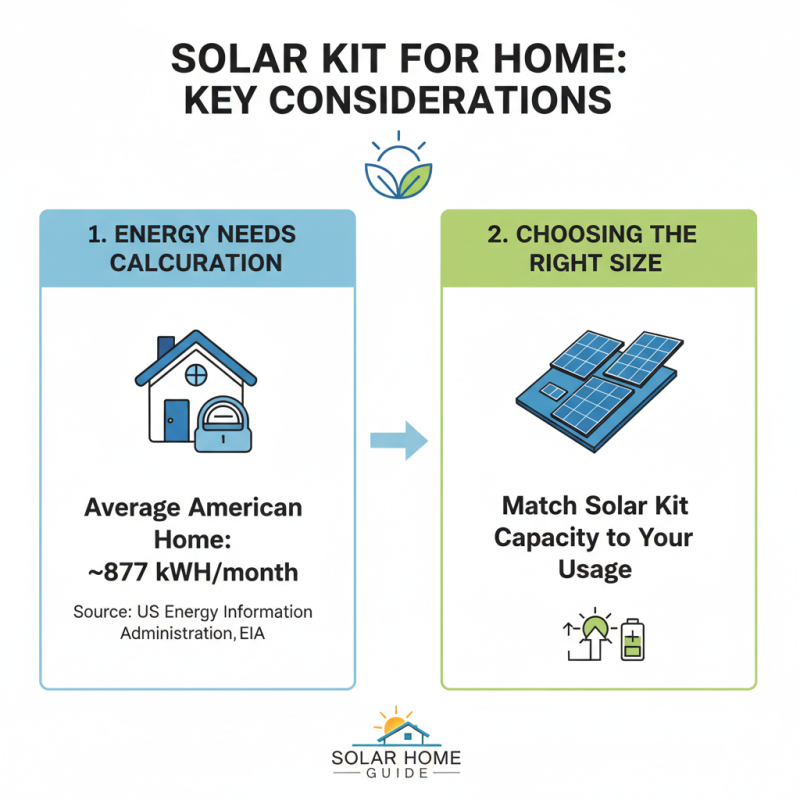
When selecting a solar kit for home use, several considerations come into play. The first is energy needs. Calculate your household's average energy consumption. According to the U.S. Energy Information Administration, the average American home uses about 877 kWh per month. Knowing this helps in choosing the right solar kit size.
Another factor is efficiency. Solar panels have different efficiency ratings. Higher efficiency panels occupy less space and generate more power. A report by the National Renewable Energy Laboratory states that panels with over 20% efficiency can significantly reduce installation costs per watt.
Installation complexity is crucial. Some kits are more user-friendly, while others may require professional help. DIY kits can save money but may lack comprehensive support. Additionally, monitor the warranty terms. A good warranty can indicate the quality and durability of the unit.
Price also varies significantly. Ensure that you consider potential incentives and rebates. Sometimes cheaper kits might lead to higher long-term costs. Although the initial investment is important, think about the energy savings year after year. Real-world experiences show that spending more upfront could pay off in the long run.
Top Features to Look for in a Quality Solar Energy Kit
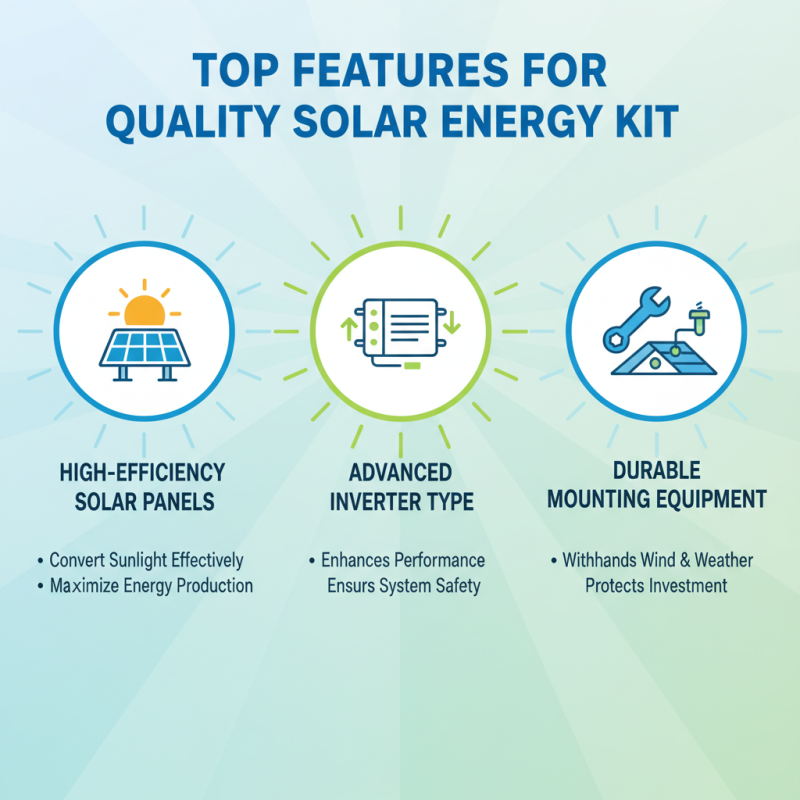
When choosing a solar energy kit, prioritize the quality of components. Look for high-efficiency solar panels that convert sunlight into electricity effectively. The type of inverter is crucial, too. A good inverter enhances performance and ensures safety. Finding a kit with durable mounting equipment is also essential. This protects your system from wind and weather extremes.
Battery storage capacity is another key feature. Larger battery systems provide more reliable energy supply during cloudy days or at night. Consider the ease of installation as well. Complicated setups can lead to frustration. Some kits offer clear instructions and necessary tools, making the process smoother. Reflect on your energy needs as well. An overestimated capacity can lead to unneeded costs.
Lastly, warranties matter. Check for solid guarantees on panels and batteries. This indicates manufacturer confidence in their products. However, remember that warranties may vary widely. Not all manufacturers provide comprehensive coverage. Be cautious. Keep all these factors in mind to choose the right kit, ensuring a reliable and sustainable energy source.
Review of the Leading Solar Kit Brands and Models Available
When considering solar kits, it’s essential to explore various options and their efficacy. A solar kit typically includes
panels, inverters, and batteries. These components work together to harness sunlight and convert it into usable energy. Many kits also offer
mounting hardware and wiring, but the quality can vary significantly. Choosing a reliable kit requires thorough research.
Some brands stand out for their reputation and performance. They often provide user-friendly installation instructions, aiding those
unfamiliar with solar technology. However, not all models are suited for every environment. Some may struggle in cloudy regions, while others can
be overly expensive for limited use. Assessing personal energy needs is crucial.
While many kits promise efficiency, actual performance can differ. Customer reviews can offer insight, but experiences vary. One user might have a great experience, while another faces significant challenges.
It’s a good idea to compare options relentlessly. Ultimately, making an informed decision involves analyzing warranties and after-sales support.
The right solar kit could contribute significantly to sustainable energy solutions.
Cost Analysis: Budgeting for Solar Kits and Installation
When budgeting for solar kits and installation, several factors need consideration. The average cost for a residential solar kit in the U.S. ranges from $2,000 to $10,000. This price can fluctuate based on the kit's size and specific components. An important report from the National Renewable Energy Laboratory states that installation can account for up to 30% of the total cost. This means users should be prepared for additional expenses.
Furthermore, many homeowners overlook maintenance costs. While solar systems are generally low-maintenance, occasional repairs and inspections are essential. According to Solar Energy Industries Association data, the initial savings may not always reflect in the long run. Users might expect a payback period of 5 to 15 years. During this time, energy prices change, influencing overall savings.
Understanding incentives is crucial. Federal tax credits can cover up to 26% of installation costs. However, state and local programs might vary significantly. Before deciding, reviewing all available options can ensure a well-informed investment in solar energy. Users must weigh immediate costs against long-term benefits. Solar energy offers promise, but requires thoughtful financial planning.
Top 10 Solar Kit Options for Sustainable Energy Solutions
| Solar Kit Option |
Capacity (W) |
Cost ($) |
Installation Cost ($) |
Efficiency (%) |
Warranty (Years) |
| DIY Home Solar Kit |
300 |
500 |
150 |
18 |
25 |
| Portable Solar Power Kit |
100 |
200 |
75 |
20 |
15 |
| Grid-Tie Solar Kit |
2000 |
3500 |
500 |
22 |
25 |
| Off-Grid Solar Kit |
1500 |
2500 |
400 |
19 |
20 |
| Hybrid Solar Kit |
1000 |
1800 |
300 |
21 |
25 |
| Solar Battery Kit |
500 |
700 |
200 |
18 |
15 |
| Integrated Solar Roof Kit |
3000 |
7500 |
800 |
23 |
25 |
| Multi-Panel Solar Kit |
1200 |
2100 |
350 |
20 |
20 |
| Complete Solar Off-Grid Kit |
750 |
1200 |
250 |
17 |
30 |
| Solar Water Pump Kit |
400 |
600 |
150 |
19 |
10 |
Real-World Applications and User Experiences with Solar Kits
In recent years, many households have embraced solar kits for sustainable energy. These kits are popular for off-grid living and emergency power solutions. Users report a sense of independence from traditional power sources. Yet, experiences vary widely.
Some users enjoy easy installation and immediate savings on their energy bills. They appreciate the compact size and portable options available. However, solar kits can be less effective in cloudy climates. Some installations may require professional help, complicating the process. Costs can also add up when expanding systems later.
Real-world applications showcase different uses. Camping enthusiasts find portable solar kits provide reliable power away from civilization. Others use them for backup during natural disasters. Yet, some report disappointment with energy output. Careful planning is needed to match their needs with the kit’s capabilities. Ultimately, while solar kits offer potential, they require thoughtful consideration and maintenance.