Top Solar Applications for Businesses to Consider Today?
In today's business landscape, adopting Solar Applications has become a vital consideration for sustainability and cost savings. These technologies enable companies to harness the power of the sun, reducing energy bills and carbon footprints. With solar panels now more affordable, businesses can find various options that suit their needs.
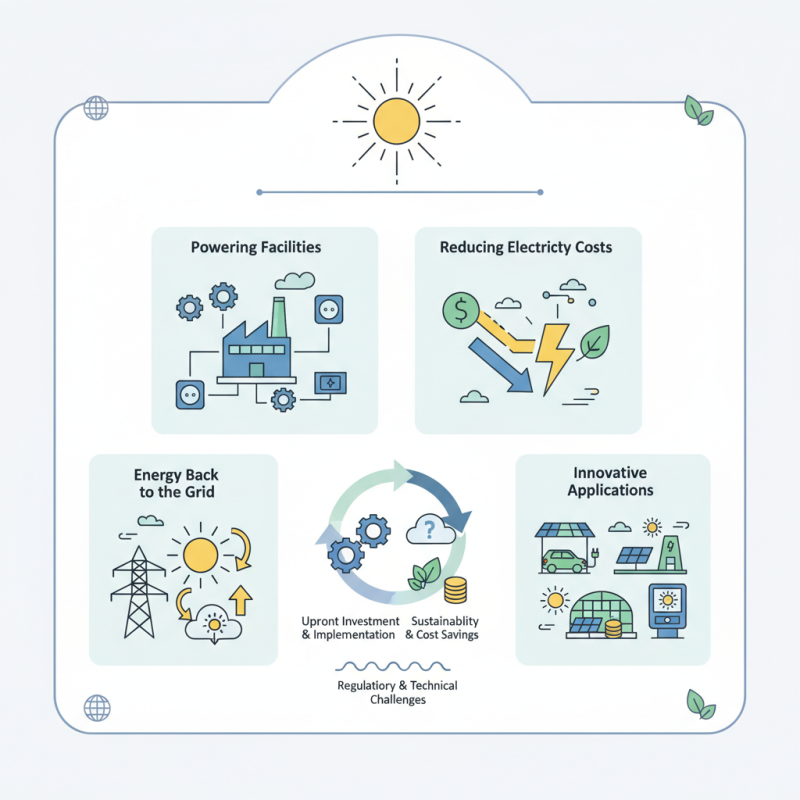
Many industries are exploring innovative Solar Applications, from manufacturing to retail. Solar energy systems can power facilities, reduce electricity costs, and even provide energy back to the grid. However, companies must evaluate their energy consumption and potential savings carefully. Not all solar solutions are the same; some may require significant upfront investment and time for implementation.
While the benefits are clear, challenges exist. Businesses might face regulatory hurdles or technical issues during installation. Each company should consider its specific circumstances, including location and energy needs. By doing so, they can make informed decisions on implementing Solar Applications, allowing for a successful transition to renewable energy sources.
Top Solar Applications for Businesses to Consider Today
Solar energy is rapidly transforming how businesses operate. Many companies are exploring various solar applications to cut costs and boost sustainability. Not just an option for large enterprises, even small businesses can benefit significantly.
One effective application is solar panels for electricity. Installing solar panels can reduce energy bills substantially. Tips for implementation include evaluating roof space and assessing local sunlight exposure. Proper sizing of the system is key to maximizing output.
Another application is solar water heating. This can be especially beneficial for restaurants and hotels. Heated water is necessary for operations, and solar can fulfill this need. Businesses should consider their hot water usage patterns to determine efficiency gains. Regular maintenance of systems is crucial for longevity.
Lastly, solar as a service is gaining traction. This option allows businesses to enjoy solar benefits without upfront costs. Companies lease panels and pay a monthly fee instead. It's vital to read contracts carefully and understand terms fully.
Top Solar Applications for Businesses to Consider Today
| Application | Description | Benefits | Typical ROI Period |
| Rooftop Solar Panels | Solar panels installed on the roofs of commercial buildings. | Reduced energy bills, lower carbon footprint, tax incentives. | 4-7 years |
| Solar Carports | Canopies with solar panels that provide parking space beneath. | Generates energy, protects vehicles, maximizes land use. | 5-8 years |
| Ground-Mounted Solar Systems | Solar panels installed on the ground, often in open fields. | High energy output, suitable for large facilities, flexible installation. | 6-10 years |
| Building Integrated Photovoltaics (BIPV) | Solar technology integrated into building materials such as windows. | Aesthetic appeal, energy generation, saves space. | 7-12 years |
| Solar Water Heating | Uses solar energy to heat water for commercial use. | Lower water heating costs, reduced energy demand. | 3-5 years |
Benefits of Solar Energy for Business Operations
Solar energy offers a multitude of benefits for business operations. By harnessing the sun’s power, companies can significantly reduce their energy costs. These savings can be reinvested into growth, employee training, or improving services. Many businesses report a drop in operational expenses by up to 30% after switching to solar energy. This shift not only impacts the bottom line but also enhances sustainability efforts.
Moreover, solar energy promotes energy independence for businesses. With traditional energy sources fluctuating in price, businesses can find stability in solar investments. They can also shield themselves from rising utility rates. This control allows for better financial planning and resource allocation. Despite these advantages, some companies still hesitate due to initial installation costs and intricate logistics. These concerns are valid and must be addressed through careful planning and research.
In addition, using solar power can improve a business's public image. Consumers increasingly favor eco-conscious companies. They often seek brands that prioritize sustainability. While businesses may worry about the upfront costs and technology management, the long-term benefits often outweigh these challenges. Reflecting on these aspects can help companies make informed decisions that align with their values and operational goals.
Key Solar Technologies for Commercial Use
When considering solar technologies for commercial use, businesses have several viable options. Solar photovoltaic (PV) systems are popular. They convert sunlight into electricity, reducing energy costs. Just imagine a rooftop covered with solar panels, generating power daily. This setup can cut utility bills significantly.
Another promising technology is solar water heating. This system uses solar energy to heat water for commercial needs. It’s useful for hotels, restaurants, and laundries. Imagine saving on gas or electricity by utilizing the sun's warmth. However, the initial installation cost can be high, raising questions about return on investment.
Solar canopies are also worth exploring. These structures provide shade for parked cars while generating energy. They make great use of parking lots. On rainy days, they can protect vehicles. Yet, not every business has ample parking space for this solution. These options showcase the diversity of solar applications. Each has its benefits and challenges. Careful planning is essential to ensure the chosen technology aligns with business goals.
Cost Considerations and Financial Incentives for Solar Adoption
The solar energy landscape is evolving. Cost considerations play a significant role in adoption. According to the Solar Energy Industries Association (SEIA), average commercial solar installations save businesses up to 75% on electricity over their lifetime. This translates to substantial savings in operational costs.
Financial incentives are crucial for many businesses considering solar. Federal tax credits, like the Investment Tax Credit (ITC), offer a 26% deduction on installation costs. Some states provide additional rebates and grants. According to an analysis by the National Renewable Energy Laboratory (NREL), these incentives can lower the upfront costs by up to 50%. However, not all businesses are informed about their eligibility, leading to missed opportunities.
Net metering also enhances the financial appeal. This allows businesses to sell excess energy back to the grid. In states with favorable net metering policies, businesses can see quick returns on their investments. Yet, the complexity of the process can deter some. Understanding local regulations and grids is vital for maximizing benefits. The financial landscape can be daunting, and businesses must navigate these waters carefully.
Top Solar Applications for Businesses to Consider Today
This chart represents the estimated costs and financial incentives for various solar applications that businesses can consider adopting today. The data illustrates the potential savings and costs associated with each application type.
Case Studies of Successful Business Solar Implementations
Adopting solar energy can transform a business’s operational model. One prominent case is a mid-sized manufacturing company that installed solar panels on its rooftop. This initiative reduced energy costs by over 25%. The company faced initial challenges, such as high upfront costs and limited knowledge about solar systems. However, they connected with local solar experts who provided tailored advice and installation services.
Another example involves a retail chain that invested in solar-powered parking lots. The stores not only saved on electricity bills but also enhanced their brand image by promoting sustainability. They struggled to secure financing at first. Once they partnered with a green investment firm, the project gained momentum. The firm’s knowledge in renewable energy financing made the transition smoother and more reliable.
These case studies highlight the importance of collaboration. Engaging with experts can mitigate risks associated with solar investments. Understanding local regulations and incentives is crucial. Businesses must remain adaptable and open to learning throughout the process. The road to solar adoption can be rocky but ultimately rewarding for sustainability and financial health.
