Top 10 RV Solar Systems in China You Need to Know?
The RV solar market has seen incredible growth in recent years. According to a report by Allied Market Research, the global solar energy market is expected to reach over $223 billion by 2026. This rise highlights the increasing adoption of renewable energy sources in various sectors, including recreation vehicles (RVs).
RV solar systems provide an eco-friendly solution for powering mobile lifestyles. These systems not only reduce carbon footprints but also offer significant cost savings on fuel. Statistics reveal that RV users can cut costs by up to 50% when using solar energy instead of traditional generators. However, not all solar systems are created equal, and selecting the right one can be challenging.
Many consumers struggle with making informed decisions about RV solar options. Technical jargon and varying product quality contribute to confusion. Identifying reliable brands requires careful evaluation of user reviews and performance metrics. This article will explore the top 10 RV solar systems available in China, guiding you to make a more informed choice for sustainable travel.
Understanding RV Solar Systems: An Overview of Their Importance
Understanding RV solar systems is essential for any traveler who wants to embrace the open road sustainably. These systems convert solar energy into usable power, allowing RV owners to run appliances and lights without relying solely on traditional fuel sources. With concerns about environmental impact increasing, RV solar systems offer a clean, renewable energy solution while on the go.
Choosing the right solar system can be challenging. Many people experience confusion when determining the right size or type for their needs. For instance, understanding wattage requirements is crucial. Each device has specific energy needs. Not accounting for these can lead to insufficient power supply. Additionally, the installation process can be daunting. Many opt for professional help, which adds to costs. Therefore, weighing options is necessary.
Despite these challenges, the benefits of solar systems are significant. They provide autonomy, enabling travelers to camp off-grid freely. Yet, issues can arise, such as maintenance and battery lifespan. As an RV enthusiast, one must learn about these systems fully. Knowledge enables better decisions, ensuring a more enjoyable adventure on the road.
Key Factors to Consider When Choosing an RV Solar System
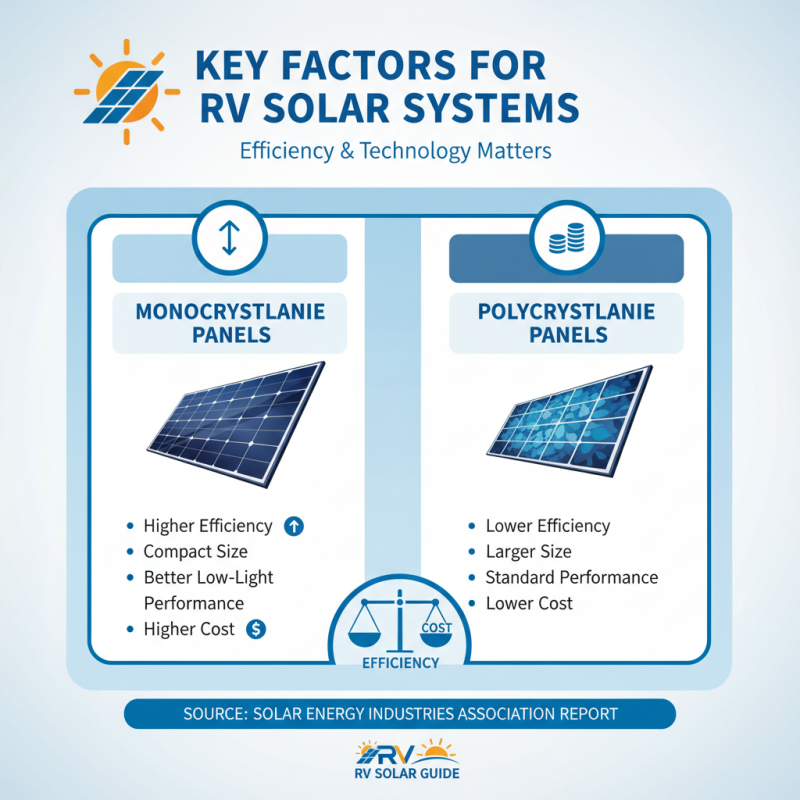
When selecting an RV solar system, understanding key factors is essential. A report from the Solar Energy Industries Association highlights the impact of efficiency and technology. Most systems use monocrystalline or polycrystalline panels. Monocrystalline panels are more efficient but costly. Polycrystalline options are affordable but less efficient.
Battery compatibility is another critical aspect. Lithium-ion batteries are preferred due to their longevity and lightweight nature. According to industry studies, lithium batteries can last over 10 years with proper use. However, they can be more expensive upfront compared to lead-acid batteries.
Consider system size carefully. A system size of 300-600 watts is often recommended for typical RV usage. This size supports powering essentials like lights and refrigeration. Larger systems provide more flexibility, but they require more installation space. Weigh these options against your specific travel habits and power needs. The wrong choice can lead to inadequate power or excess weight, affecting your journey.
Top 10 RV Solar Systems in China: Features and Benefits
When exploring RV solar systems in China, understanding their features and benefits is essential. The market for solar technology has seen a significant rise, with a reported growth rate of over 20% annually. RV solar systems can provide reliable power, allowing users to enjoy outdoor activities without compromising convenience.
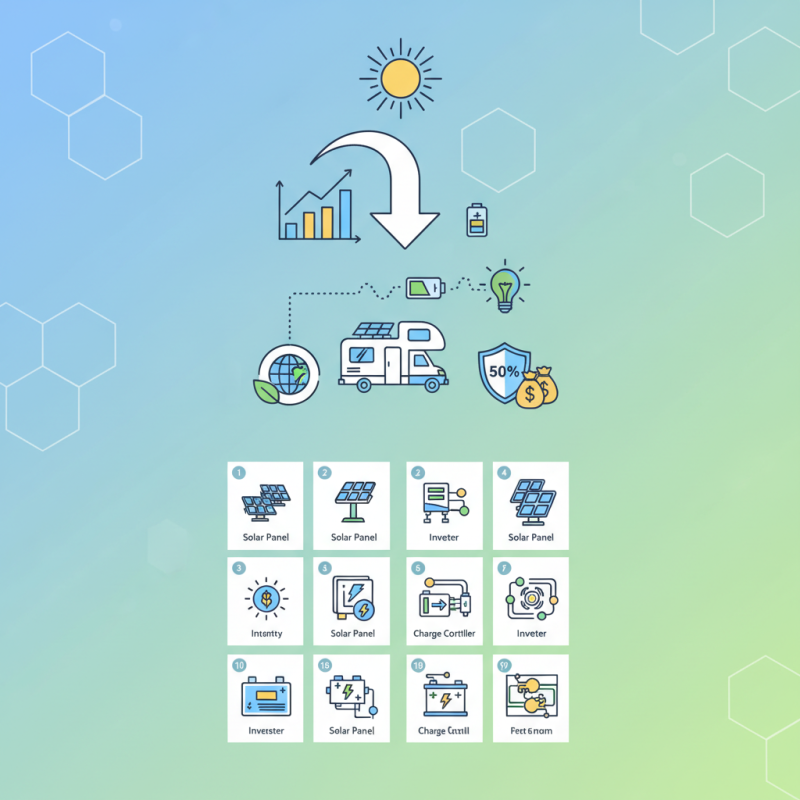
A well-designed RV solar system typically includes solar panels, charge controllers, and batteries. These components convert sunlight into electricity, which can power appliances and devices. Research shows that a solar setup can reduce fuel costs by up to 30%, making it an economical choice for travelers. Additionally, the ability to harness energy from the sun promotes environmental sustainability, which is increasingly significant in today's eco-conscious society.
However, there are challenges to consider. The initial investment in solar technology can be high, and installation requires technical expertise. Not all systems perform equally in various weather conditions, and ongoing maintenance is crucial for longevity. Understanding these aspects helps users make informed decisions. Each RV owner's experience may vary, highlighting the importance of personalized research and planning.
Comparative Analysis of Leading RV Solar Brands in China
When considering RV solar systems in China, a comparative analysis reveals diverse options. Recent data indicates that the market has grown significantly, with a 15% increase in adoption last year. While some systems offer higher wattage, efficiency is not always proportionate. Many users reported performance drops in integrated solutions under partial shading conditions.
Experts recommend evaluating panel quality and inverter efficiency. Mono-crystalline panels often outperform poly-crystalline alternatives. However, budget constraints lead consumers to choose less efficient models. A study showed that over 30% of RV owners prioritize cost over performance, which could affect long-term energy management.
Moreover, installations vary by region, as certain areas receive more sunlight. This discrepancy highlights the need to customize solutions based on geographic specifics. Some setups may require additional battery storage for optimal results, yet many overlook this aspect. Without proper planning, users risk running low on power during extended travels. Understanding these nuances creates a more informed choice for prospective buyers.
Installation and Maintenance Tips for RV Solar Systems
When installing RV solar systems, attention to detail is crucial.
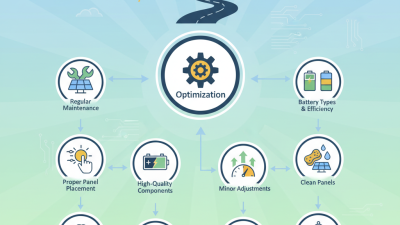
The right setup can enhance efficiency and longevity. Reports show that proper installation can increase system performance by up to 30%. Incorrect installations can lead to inefficiencies or even damage. Ensure your panels are mounted at an optimal angle to maximize sunlight capture.
Maintenance is just as important as installation. Regular cleaning of the solar panels can improve energy output. Dust and debris can block sunlight, reducing efficiency. It's recommended to clean panels every few months. Invest in quality wiring and connectors to prevent energy loss. Over time, connections may corrode. Routine inspections can identify issues early, saving potential repair costs.
Consider using monitoring systems that provide real-time data on performance. They can help identify any dips in energy production. Analysis of usage patterns can assist in optimizing your system. While RV solar systems offer freedom, they require commitment in maintenance. Regular upkeep ensures your investment meets your energy needs efficiently.