What is a solar panel and how does it work?
Solar panels are becoming increasingly popular in the quest for sustainable energy. According to the International Renewable Energy Agency, global solar power capacity reached over 800 gigawatts in 2020. This marks a significant increase in renewable energy adoption. The world is recognizing the importance of transitioning from fossil fuels to cleaner energy sources.
Understanding how solar panels function is essential for optimizing their use. Solar panels convert sunlight into electricity by utilizing photovoltaic cells. These cells capture photons and release electrons, generating an electrical current. This process is crucial for both small-scale and large-scale energy production. However, not all areas receive the same amount of sunlight, which can impact efficiency.
Despite advancements, challenges remain. Some solar panels may face limitations due to shading or improper installation. Furthermore, the disposal of old panels poses environmental concerns. As we continue to invest in solar technology, addressing these issues will be vital for maximizing the potential of solar energy.
What is a Solar Panel? A Comprehensive Definition
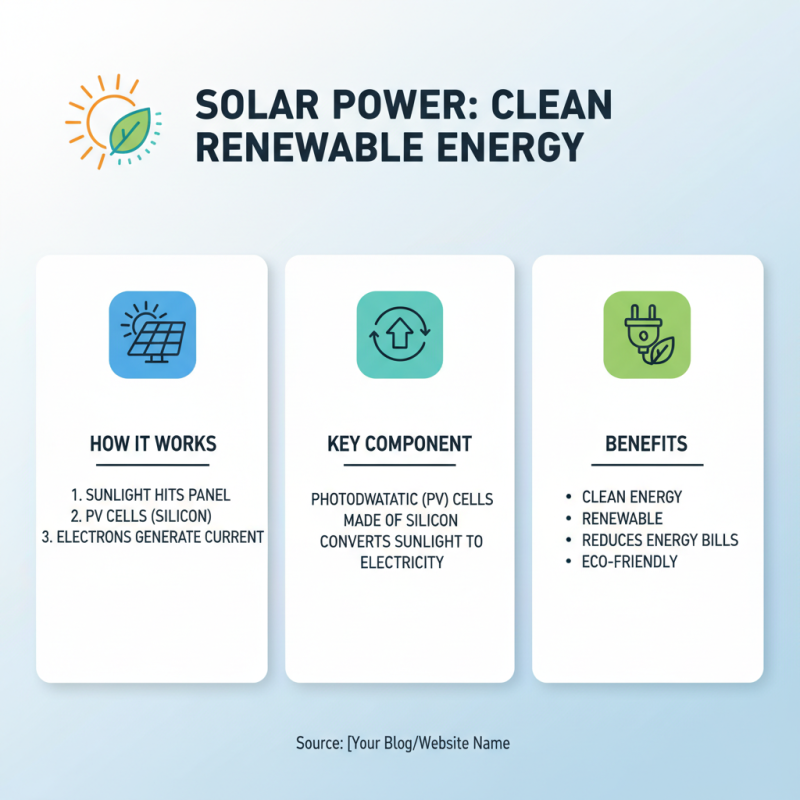
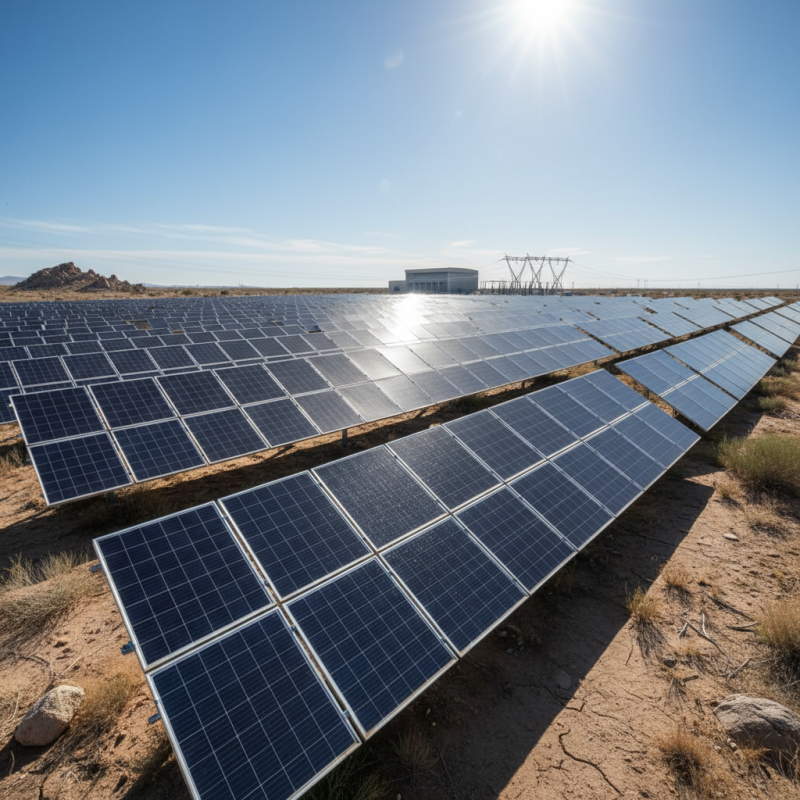
A solar panel is a device that converts sunlight into electricity. It is primarily made of photovoltaic (PV) cells, which are crafted from silicon. These cells capture solar energy and convert it into usable energy. When sunlight hits the panel, electrons in the silicon are excited and create an electric current. This process is clean and renewable, offering a solution to energy demand.
The efficiency of a solar panel depends on several factors. The angle of sunlight, shading, and temperature all play roles in performance. If a panel is not properly positioned, its efficiency can drop. Many people overlook these aspects. Placement is crucial for maximizing energy capture. Cleaning the panels regularly is another consideration. Dust and dirt can obstruct sunlight and reduce output.
While solar panels provide a sustainable energy source, they also require a financial investment. The upfront costs can be daunting for some. Additionally, concerns about sustainability within the manufacturing process and recycling of panels arise. As technology advances, these issues need addressing to ensure the long-term viability of solar energy solutions.
The Science Behind Solar Energy Conversion
Solar panels are fascinating devices that convert sunlight into electricity. This process starts with solar cells, typically made of silicon. When sunlight hits these cells, it excites electrons, creating an electric current. This phenomenon is known as the photovoltaic effect. It's a brilliant yet complex interaction of light and materials that continues to surprise scientists.
The efficiency of solar panels can vary significantly. Factors like temperature, angle of sunlight, and weather play a crucial role. For instance, cloudy days can reduce output. It's a reminder that even the best technology has its limits. Additionally, the production process of solar panels can involve environmentally harmful methods. This contradiction raises important questions about sustainability in solar energy.
While solar energy presents a promising solution for clean power, challenges remain. Storage of solar energy for nighttime use is still a major hurdle. Current battery technologies also need improvement. Reflection on these challenges is vital for making solar power a reliable energy source. Each advancement brings us closer, but we need to acknowledge the road ahead.
What is a solar panel and how does it work? - The Science Behind Solar Energy Conversion
| Aspect |
Description |
| Definition |
A solar panel is a device that converts sunlight into electricity using photovoltaic cells. |
| Components |
Main components include photovoltaic cells, a protective layer, and a frame. |
| Photovoltaic Effect |
The process by which solar cells convert sunlight into electricity. |
| Efficiency |
Typical efficiency ranges from 15% to 22% depending on the technology. |
| Types of Solar Panels |
Common types include monocrystalline, polycrystalline, and thin-film solar panels. |
| Applications |
Used in residential, commercial, and utility-scale energy systems, as well as in gadgets. |
| Advantages |
Renewable energy source, reduction in electricity bills, low maintenance costs. |
| Challenges |
Dependence on sunlight, high initial installation costs, and space requirements. |
Key Components of Solar Panels: Cells, Inverters, and Arrays
Solar panels consist of several key components that work together to convert sunlight into usable energy. The most critical part is the solar cells. These cells are typically made from silicon. They absorb sunlight and create an electric field. According to a 2022 report by the International Energy Agency, solar energy capacity has grown rapidly, reaching over 970 gigawatts in 2021. However, many people still underestimate the efficiency rates of various types of solar cells.
Inverters are another essential component. They convert the direct current (DC) generated by the solar cells into alternating current (AC) for home use. This step is crucial for the effective functioning of the system. A report from the National Renewable Energy Laboratory indicates that inverter efficiency has improved significantly, now averaging around 96%. Yet, not all inverters perform optimally. Selecting the right inverter can make a noticeable difference in energy output.
Arrays refer to groups of solar panels connected together. They increase the energy production capacity. Many installation sites struggle with space limitations, affecting the size of the array. Also, panel orientation and tilt angle can greatly impact efficiency. A study found that an improper setup could reduce energy production by up to 40%. Important considerations are often overlooked during planning stages, leading to subpar performance.
Efficiency Metrics: How Solar Panel Performance is Measured
Solar panels convert sunlight into electricity. Their performance is typically measured using specific efficiency metrics. These metrics help assess how well a solar panel can generate power under various conditions.
Cell efficiency is a key metric. It measures the percentage of sunlight converted into usable electricity. Most panels today fall between 15% to 20% efficiency. However, some advanced models reach over 22%. These numbers might sound impressive, but they also reflect the limitations of current technologies. Factors such as temperature and shading can impact actual performance. In real-world conditions, panels often underperform compared to lab tests.
Another essential metric is the performance ratio (PR). PR compares the actual energy output to the expected output. A PR of 80% is common. Yet, this may raise questions. Why is there a gap? Inconsistencies can arise from installation errors or environmental conditions. Understanding these metrics helps users make informed decisions, but it also signals room for improvement in technology and installation practices.
Global Trends in Solar Panel Adoption and Market Growth
The solar panel market is experiencing rapid growth globally. Data from the International Energy Agency indicates that global solar power generation reached 1,040 gigawatts in 2021. This number shows a significant increase, reflecting rising consumer interest and competitiveness in solar technologies. Many countries are pushing for renewable energy adoption, aiming for a sustainable future.
Emerging markets are leading the charge. Countries in Asia, such as China and India, dominate in solar installations. According to industry reports, China alone accounted for over 50% of the world's solar capacity in recent years. However, not all regions are keeping pace. Some areas struggle with infrastructure and policies. These challenges create a mixed landscape for solar adoption.
Despite its growth, the solar market faces hurdles. Issues like recycling solar panels and sourcing materials sustainably are often overlooked. A report by the International Renewable Energy Agency highlights that, without proper management, waste could skyrocket as more panels reach their end of life. This oversight calls into question long-term sustainability in this booming industry.