What is a Solar MPPT controller and how does it work?
In the realm of renewable energy, the Solar MPPT controller plays a crucial role. According to Dr. Emily Fischer, a leading expert in solar technology, "A Solar MPPT controller maximizes energy harvest from solar panels." This technology optimizes the power output, ensuring the system works efficiently.
Solar MPPT controllers adjust the voltage to maximize the power feed from solar panels. This sophistication allows for better overall energy capture. It is important to understand that not all systems will perform at peak efficiency. External factors, such as shading or temperature, can impact results.
The mechanics of a Solar MPPT controller can seem complex. It utilizes a tracking algorithm to find the ideal operating point. However, users may not notice significant improvements without proper installation or calibration. Recognizing these challenges is key to harnessing the full potential of solar energy systems.
What is a Solar MPPT Controller?
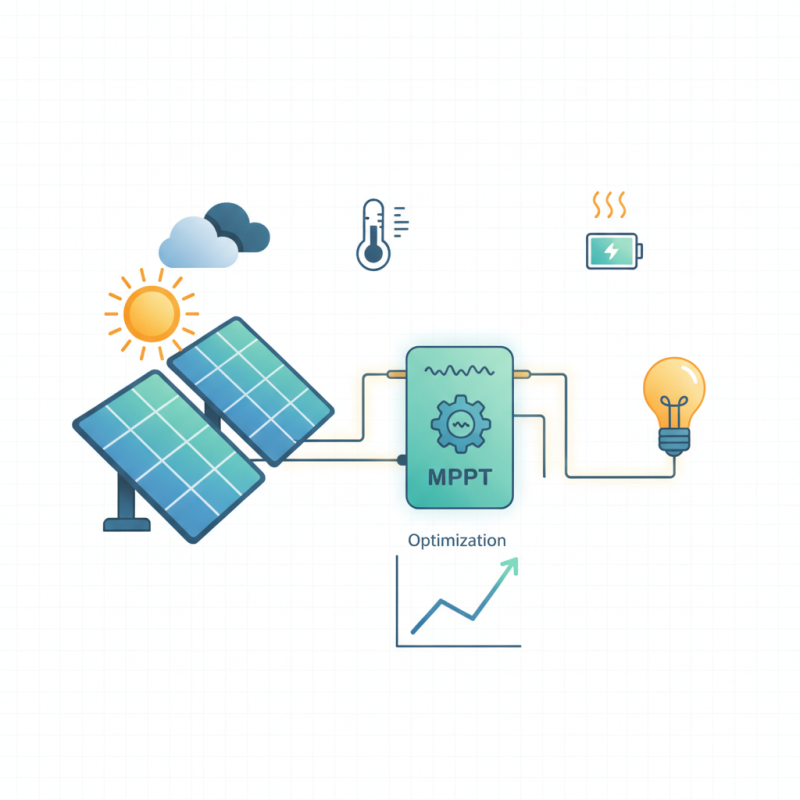
A Solar MPPT controller, or Maximum Power Point Tracking controller, is essential for solar energy systems. It optimizes the energy harvest from solar panels by adjusting the electrical load. The controller tracks the maximum power point of the solar array in real-time, ensuring efficient energy flow.
In simple terms, the MPPT controller acts as a bridge between your solar panels and batteries. When sunlight varies, it maintains the best voltage and current levels. This ensures that you get the most out of limited sunlight hours. Not having an MPPT controller might lead to energy loss. Some users may feel that their systems are underperforming without it.
Tips: Regularly check your solar system’s performance. Ensure your MPPT controller is functioning well. A small issue can result in significant power loss. Monitoring tools can help you stay informed. Consider the placement of your panels too. Shadows or dirt can impact efficiency. A clean setup is essential for maximum output. Proper maintenance is key to long-term success with your solar energy system.
What is a Solar MPPT Controller and How Does it Work?
| Dimension | Description |
| Purpose | Optimizes the power output of solar panels by adjusting the electrical operating point of the modules. |
| Functionality | Tracks the maximum power point of solar panels under varying conditions to ensure maximum energy harvest. |
| Efficiency | Typically improves energy harvest by 20-30% compared to conventional solar charge controllers. |
| Key Features | Includes features such as temperature compensation, voltage limit adjustments, and real-time data monitoring. |
| Installation | Generally installed between the solar panels and the battery bank, capable of connecting multiple panels in series or parallel. |
| Applications | Widely used in off-grid solar systems, grid-tied solar systems with battery backup, and solar water pumping systems. |
| Cost | Prices range from $100 to $500 depending on the power capacity and features offered. |
Key Components of Solar MPPT Controllers
Solar MPPT controllers play a crucial role in the efficiency of solar energy systems. They utilize advanced algorithms to optimize the power output from solar panels. Key components make this optimization possible. These include the control circuitry, power transistors, and sensors.
The control circuitry processes data from the system. It continuously adjusts the operating point of the solar panels. The power transistors convert and manage voltage and current efficiently. Sensors measure parameters like voltage and temperature. This flow of data ensures the system operates at peak efficiency.
Even with these components, challenges remain. Sometimes, environmental factors disrupt performance. Dust on panels can block sunlight. Additionally, system design can affect overall effectiveness. Regular monitoring is essential to identify issues. A deep understanding of these components helps in achieving optimal solar energy utilization.
How MPPT Technology Maximizes Solar Energy Harvesting
MPPT, or Maximum Power Point Tracking, is a crucial technology in solar energy systems. It optimizes the energy harvest from solar panels. By dynamically adjusting the electrical load, it ensures the solar panels operate at their maximum efficiency. This process can significantly increase energy production, especially in changing weather conditions.
Solar panels don’t produce energy at a constant rate. Factors like temperature and sunlight intensity constantly fluctuate. MPPT technology continuously analyzes these changes. It finds the sweet spot where the output is highest, thus maximizing energy capture. This responsiveness can lead to considerable gains over time. However, the system requires periodic checks and calibration, which some users may overlook.
A well-tuned MPPT controller can raise overall power efficiency by up to 30%. Yet, without proper installation and regular maintenance, its benefits may diminish. Individuals should understand the importance of monitoring their system performance. Reflecting on these details can enhance energy output and, ultimately, sustainability.
The Working Principle of MPPT Controllers
A solar MPPT (Maximum Power Point Tracking) controller optimizes the energy harvested from solar panels. It adjusts the electrical operating point of the modules. This ensures that the maximum possible power is extracted, regardless of external conditions like temperature or light intensity.
The working principle of MPPT controllers relies on continuously monitoring the output voltage and current. By utilizing algorithms, the controller finds the optimal operating point. When sunlight changes, the controller quickly reacts to maintain maximum efficiency. This responsiveness is crucial, particularly in climates with variable sunshine. The process can seem complex, but it's fundamentally about matching the solar panel output to the battery or load demand.
MPPT controllers also have a conversion factor. This means they can optimize energy conversion, which varies by design. Some units may struggle in low-light conditions or during temperature extremes. Users often need to assess their specific needs, like system size and location. Not all setups will yield the same performance, and understanding these nuances is key for effective solar energy use.
Benefits of Using MPPT Controllers in Solar Power Systems
MPPT (Maximum Power Point Tracking) controllers are essential in solar power systems. They optimize the energy harvested from solar panels. By dynamically adjusting the electrical load, they ensure that the system operates at its most efficient point. Reports indicate that MPPT can increase energy capture by 20-30% compared to simpler charge controllers. This enhancement significantly boosts overall system performance, especially under varying weather conditions.
Using MPPT controllers offers several advantages. They improve energy yield, making solar projects more cost-effective. Data suggests that systems equipped with MPPT technology can achieve a return on investment (ROI) of up to 15% within the first year. However, these systems may involve higher initial costs and complexity in installation. Installation mistakes can lead to inefficient energy production. That said, the long-term benefits often surpass these initial hurdles.
A notable drawback is the sensitivity to shading. MPPT controllers perform best in full sunlight. When partially shaded, their efficiency can decline. Some solar users may face challenges related to maintenance and performance monitoring. Despite these issues, the integration of MPPT technology remains a significant advancement in solar energy systems, offering clearer paths toward energy sustainability.