Why Do You Need a Solar Panel Inverter for Your Solar Energy System?
A solar energy system relies on various components to function efficiently, and one of the most critical pieces is the solar panel inverter. This device plays a vital role in converting the direct current (DC) generated by solar panels into usable alternating current (AC) for your home. Without a solar panel inverter, the electricity produced by your panels would remain unusable.
The importance of a high-quality solar panel inverter cannot be overstated. It ensures that your system operates at maximum efficiency, enabling you to harness the sun's energy effectively. A poorly functioning inverter can lead to reduced energy production. Sometimes, it might even halt your system entirely.
Many homeowners fail to realize that choosing the right inverter requires careful thought. Various options exist, each with different capabilities and price points. It’s essential to weigh these factors against your energy needs. Investing in the right solar panel inverter can pay dividends in energy savings, yet it’s a choice that demands reflection and understanding.
Understanding the Role of Solar Panel Inverters in Energy Systems
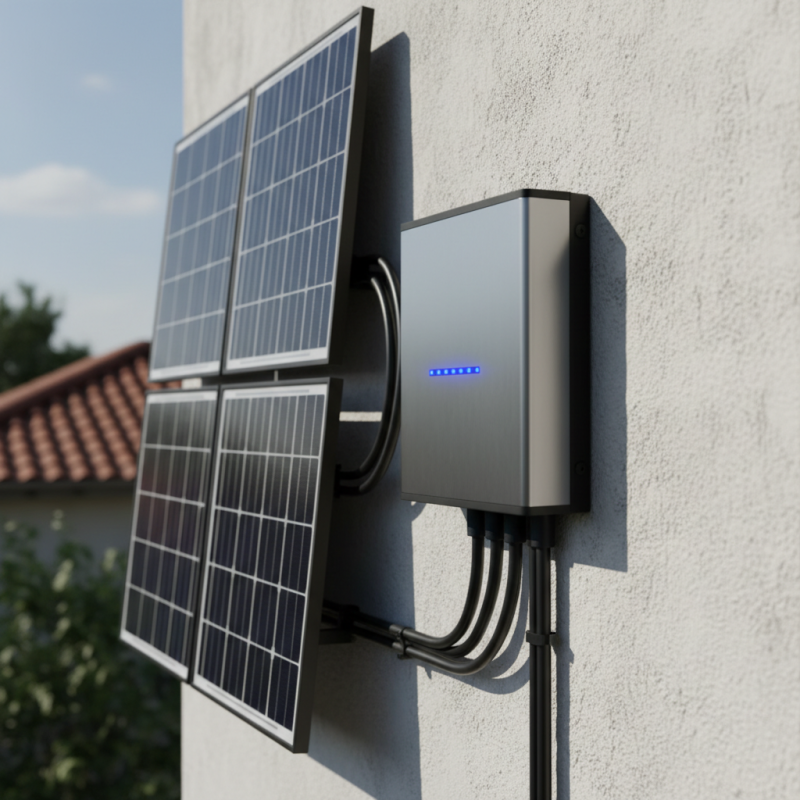
Solar panel inverters play a crucial role in converting direct current (DC) from solar panels into alternating current (AC) for home use. This process is essential for integrating solar energy into the electrical grid. According to a report by the International Renewable Energy Agency (IRENA), inverters account for about 15-20% of the total system cost. They are not just passive components; their efficiency directly impacts energy production.
A recent study indicated that high-quality inverters can improve energy output by around 30%. This is significant as the performance of solar energy systems often hinges on the inverter's capabilities. A subpar inverter can reduce energy yield, leading to unanticipated costs. In addition, modern inverters provide monitoring features. They offer data on system performance, which is invaluable for identifying areas needing maintenance. However, not all systems use advanced inverters, leading to missed optimization opportunities.
Choosing the right inverter can be challenging. Users need to balance cost with performance. Decisions made today may not easily adapt to future advancements in technology. Compromises often lead to regrets down the line. With the solar sector evolving quickly, staying informed is key.
Understanding the Role of Solar Panel Inverters in Energy Systems
Types of Solar Inverters: Choosing the Right One for Your Needs
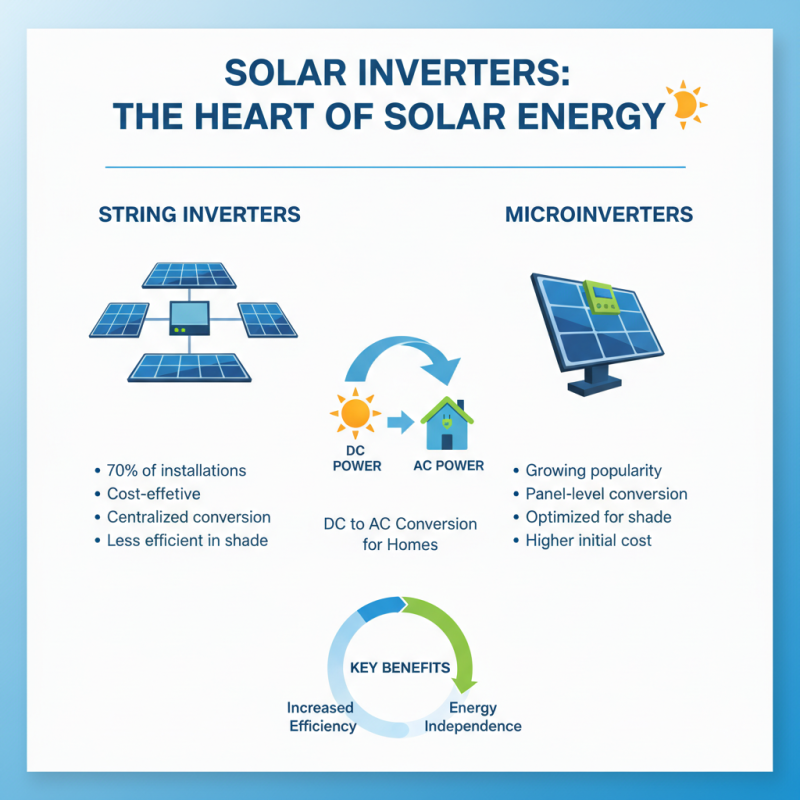
Choosing the right solar inverter is crucial for maximizing your solar energy system's efficiency. There are three main types of solar inverters: string inverters, microinverters, and power optimizers. String inverters are the most common. They connect multiple solar panels in a series. However, they can be less efficient if one panel is shaded. Microinverters work on each panel individually. This can improve overall performance, especially in uneven conditions. Power optimizers sit between the panels and the inverter. They enhance performance like microinverters but maintain a central inverter's advantages.
Market reports indicate that microinverters can increase energy production by up to 20% in shaded areas compared to string inverters. This is significant, especially for residential setups where trees or buildings may obstruct sunlight. Choosing the wrong inverter can lead to wasted energy and reduced savings.
Tip: When selecting an inverter, consider your roof's layout and shading. Conduct a site assessment to identify the best type for your needs.
Evaluating your energy needs is also important. Some systems may require advanced features like monitoring capabilities. Not all inverters offer this. Therefore, understanding what you need can help avoid unnecessary costs.
Tip: Check the warranty periods of different inverters. A longer warranty often indicates higher quality and reliability.
How Inverters Convert Solar Energy into Usable Electricity
Inverters play a crucial role in solar energy systems. They transform direct current (DC) from solar panels into alternating current (AC). This is the electricity type that powers most homes. Studies reveal that nearly 70% of solar installations use string inverters. However, microinverters are gaining popularity due to their efficiency in shaded environments.
The conversion process isn’t flawless. Energy losses during conversion can reach up to 5%. This means that the total energy harvested might not match the output. Regular maintenance is essential. Dust and dirt can diminish panel efficiency, leading to an even greater energy loss.
Moreover, innovative technologies are emerging within the inverter market. Smart inverters can optimize performance, allowing for real-time monitoring. While advances are promising, they also pose challenges. Users must continually adapt to new systems and technologies, which can be daunting. Ultimately, investing in a high-quality inverter is vital for maximizing energy usage.
Benefits of Using a Solar Inverter for Efficiency and Performance
A solar panel inverter is crucial for maximizing your solar energy system. It converts the
direct current (DC) generated by solar panels into
alternating current (AC), which powers most home appliances.
This conversion is essential for efficiency. According to industry experts, the right inverter can
improve overall energy yield by up to 30% when installed and configured correctly.
Using a solar inverter also enhances system performance. Many modern inverters offer monitoring features.
These features allow users to track energy production and consumption in real-time. Research shows that systems with
monitoring capabilities tend to perform about 15% better compared to those without. However,
not all inverters are created equal. Some may struggle under certain conditions, such as shading or
temperature variations. This can lead to decreased performance, which needs careful consideration.
Maintenance can be a challenge. Dust, debris, and wear over time may
affect the inverter’s efficiency. Regular checks are necessary but often overlooked. Many users may be
unaware, leading to underperforming systems. Understanding these nuances is vital for making informed
choices. Good performance often requires adjustments and learning from past experiences.
Key Features to Consider When Selecting a Solar Panel Inverter
When selecting a solar panel inverter, several key features come into play. Efficiency is paramount. An inverter’s efficiency rating determines how much solar energy is converted into usable power. Higher efficiency means more energy savings, ultimately impacting your electricity bill. Average efficiency rates hover around 95%. Aim for at least this benchmark.
Another aspect to evaluate is the inverter type. Options include string inverters, microinverters, and power optimizers. Each type has its unique benefits and drawbacks. For instance, microinverters work well in shaded areas but may require more initial investment. Think about your home’s layout and energy needs.
Lastly, consider monitoring capabilities. Many inverters offer real-time energy usage tracking. This feature helps you analyze performance and pinpoint issues early. Choosing an inverter with strong monitoring can enhance system lifespan and efficiency. However, some users find this technology overwhelming. It’s a balancing act between smart tech benefits and user comfort.
Why Do You Need a Solar Panel Inverter for Your Solar Energy System? - Key Features to Consider When Selecting a Solar Panel Inverter
| Feature |
Description |
Importance |
| Efficiency |
Converts solar energy to usable electricity with minimal losses. |
Higher efficiency leads to more energy production. |
| Types |
Includes string inverters, microinverters, and power optimizers. |
Different types serve different system designs and installation needs. |
| Grid-Tie vs Off-Grid |
Grid-tie inverters connect to the electrical grid; off-grid inverters provide standalone power. |
Choosing the correct type ensures compatibility with your energy needs. |
| Monitoring Features |
Allows users to track energy production and system performance. |
Essential for maintenance and understanding energy savings. |
| Warranty |
Period during which the manufacturer covers repairs or replacement. |
A longer warranty indicates confidence in product reliability. |
| Size and Capacity |
Power rating indicates how much electricity the inverter can handle. |
Matching size to solar panel output is crucial for efficiency. |