What Should You Know About Lithium Battery Cars?
As the world increasingly shifts to greener technologies, the Lithium Battery Car sector is at the forefront of innovation. Experts like Dr. Emily Carter, a leading authority in battery technology, highlight its potential: “Lithium batteries will redefine our transportation landscape.” This underscores the urgency to understand these revolutionary vehicles.
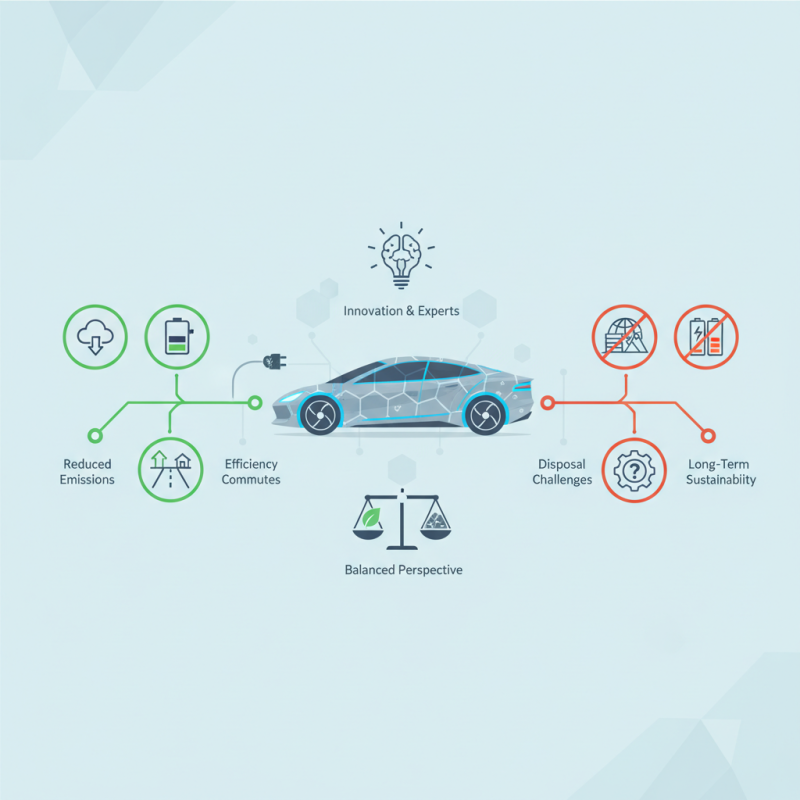
Lithium Battery Cars promise environmental benefits, offering reduced emissions compared to traditional vehicles. They are becoming popular for daily commutes, thanks to advancements in battery efficiency. However, disagreements arise regarding their long-term sustainability and disposal challenges. The sourcing of lithium itself can pose risks to the environment, sparking debates about ethical mining practices.
While the benefits of Lithium Battery Cars are clear, some questions remain. Are we ready for a future that depends on these batteries? Dr. Carter's insights remind us that while the technology is promising, we must consider the broader implications. A balanced perspective is important as we embrace this new automotive era.
Overview of Lithium Battery Technology in Electric Vehicles
Lithium battery technology plays a crucial role in electric vehicles (EVs). This technology is evolving rapidly, with lithium-ion batteries becoming the primary choice for many manufacturers. According to a report by the International Energy Agency, the global stock of electric cars surpassed 10 million in 2020, largely due to advancements in battery efficiency.
These batteries offer high energy density and longer life cycles. The energy density of lithium-ion batteries averages around 150-250 Wh/kg, allowing vehicles to travel greater distances. However, the production processes raise concerns. Extracting lithium can cause environmental damage, raising questions about sustainable sourcing. Moreover, battery disposal and recycling remain significant challenges.
Performance varies among different types of lithium batteries. While lithium iron phosphate (LFP) batteries are safer and cheaper, they have lower energy density. In contrast, nickel-cobalt-aluminum (NCA) batteries deliver higher performance, yet they come with ethical sourcing issues related to cobalt. As the industry advances, balancing performance, cost, and sustainability will be vital for future growth. The transition to lithium battery technology in EVs is not without its complexities.
Key Advantages of Lithium Battery Cars Over Traditional Vehicles
Lithium battery cars present several key advantages over traditional vehicles. The most notable benefit is efficiency. These cars convert energy into motion more effectively, which means less energy is wasted. This leads to lower fuel costs over time.
Another advantage is the reduced environmental impact. Lithium battery cars produce zero tailpipe emissions. This helps decrease air pollution, making urban areas healthier. Moreover, many regions offer incentives for choosing electric vehicles. These can include tax rebates and reduced registration fees.
Tips: If you're considering a lithium battery car, think about your daily driving habits. Assess your range needs. Most lithium batteries can last for several hundred miles on a single charge. However, charging infrastructure may vary by area.
Battery lifespan can be an issue. Some users report a decline in performance after a few years. Regular maintenance can help extend battery life. It’s essential to not overcharge your vehicle. Understanding these nuances can lead to better ownership experiences.
Current Market Trends and Sales Data for Lithium Battery Vehicles
The market for lithium battery vehicles is evolving rapidly. Sales data shows a significant increase in demand. In recent years, electric vehicles (EVs) have gained attention for their environmental benefits and efficiency. Many consumers are actively seeking alternatives to traditional gasoline cars. This shift is influenced by rising fuel prices and growing environmental awareness.
Recent statistics reveal that lithium battery vehicle sales have surged. In certain regions, EV sales have tripled over the past year. However, challenges remain. Charging infrastructure is still insufficient in many areas. Some consumers hesitate to make the switch due to range anxiety. Additionally, the production of lithium batteries raises concerns about mining practices and sustainability.
The growth trend suggests a brighter future for lithium battery cars. Innovative technologies are emerging, enhancing battery performance and charging speed. Yet, inefficiencies in recycling processes and sourcing materials need urgent attention. Striking a balance between demand and responsible practices is crucial for the industry's longevity. Engaging consumers about these challenges can foster a more informed public.
Environmental Impact of Lithium Batteries and Recycling Initiatives
Lithium batteries play a crucial role in powering electric vehicles. They offer a cleaner alternative to traditional fuels. However, their environmental impact cannot be overlooked. The extraction of lithium often leads to habitat destruction and water shortages. Some mining operations can severely affect local communities.
Recycling initiatives are gaining traction. This process reduces waste and conserves resources. It's important to recover valuable materials from old batteries. Yet, current recycling methods still have limitations. Many facilities are not equipped to handle large volumes. This results in a significant number of batteries ending up in landfills.
Improving lithium battery recycling is essential. Industry collaboration is necessary for innovation. Educating consumers about responsible disposal can help. The path to sustainability requires ongoing effort. Each step forward can make a difference. The balance between technology and nature is delicate. We must reflect on our choices and their impacts.
Future Innovations and Challenges in Lithium Battery Technology
Lithium battery technology has transformed the automobile industry. Cars powered by these batteries are becoming more common. However, several challenges remain. The performance of lithium batteries can degrade over time. Factors like temperature and charging habits play a significant role in this decline.
Future innovations aim to enhance battery life and efficiency. Researchers are exploring solid-state batteries. These promise faster charging times and increased safety. Yet, the high cost of materials is a significant barrier. Moreover, recycling old batteries is complex and often ignored. The environmental impact of battery production also raises concerns.
While advancements are promising, there are hurdles to overcome. The need for improved charging infrastructure remains critical. Urban areas may struggle to keep up with demand. Balancing innovation with sustainability is vital. We must continually reflect on these challenges as we move forward.
What Should You Know About Lithium Battery Cars? - Future Innovations and Challenges in Lithium Battery Technology
| Aspect | Details |
| Battery Capacity | Typically ranges from 40 kWh to 100 kWh for electric vehicles. |
| Range | Average driving range is between 150 to 370 miles per charge. |
| Charging Time | Fast charging can take 30 minutes; standard charging may take several hours. |
| Lifespan | Typical lifespan is 8-15 years depending on usage and environmental factors. |
| Environmental Impact | Recycling and disposal challenges; efforts ongoing to improve sustainability. |
| Future Innovations | Solid-state batteries and improved lithium-sulfur technologies in development. |
| Challenges | Cost, supply chain issues, and technological limits on energy density. |
