10 Essential Tips for Choosing the Right Solar Panel and Battery Kit
When considering renewable energy options, a solar panel and battery kit can be a smart investment. These systems provide efficient energy solutions for both homes and businesses. However, choosing the right kit can be overwhelming. Many factors come into play, from the type of solar panels to the capacity of the batteries.
Not all solar panel and battery kits are created equal. Some may promise high efficiency but fail in real-world conditions. It's essential to evaluate each product critically. Research various brands and read customer reviews. This will help you avoid common pitfalls and make an informed decision.
Investing in a solar panel and battery kit requires thought and planning. It’s not just about saving money; you’re also contributing to a sustainable future. Take your time to ensure you select a system that best fits your energy needs and budget. Reflect on what’s truly important to you in this energy journey.
Understanding Solar Panel Basics and Functionality
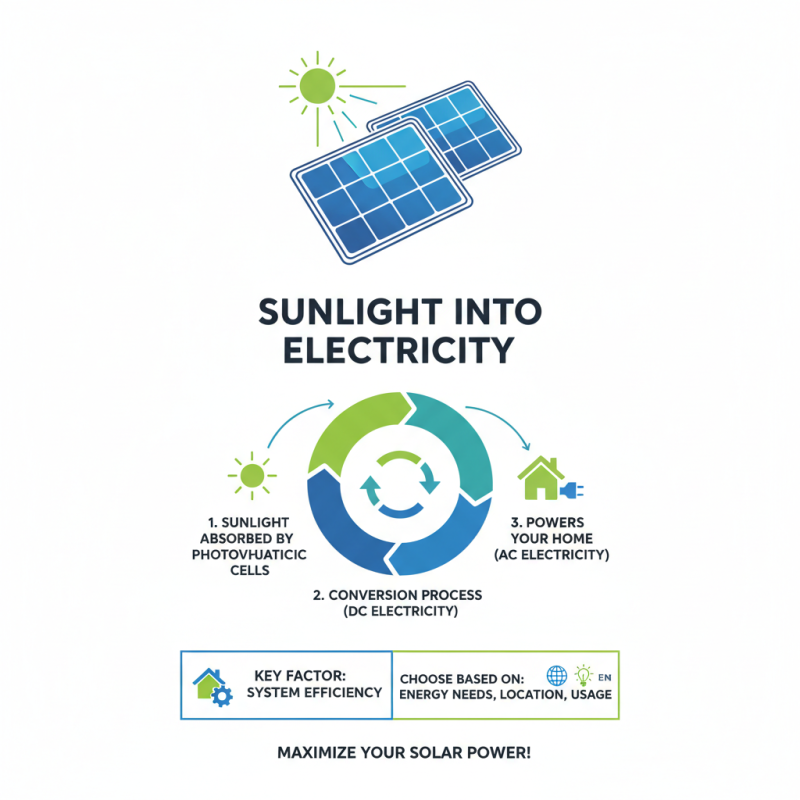
When selecting a solar panel system, understanding solar panel basics is crucial. Solar panels convert sunlight into electricity. They consist of photovoltaic cells that absorb sunlight. This conversion process plays a key role in how efficiently your system performs. It’s important to choose panels that match your energy needs, taking factors like location and usage into account.
Efficiency ratings matter. Higher efficiency means more energy from less space. However, sometimes the most efficient panels come with a higher cost. Consider the balance between budget and performance. It’s worth reflecting on your long-term goals. Are you planning to expand your systems soon? And then we have battery kits. They store energy for later use. A good battery can provide backup power during outages. Not all batteries are equal; some degrade faster than others. Tracking their lifespan is essential for planning future replacements. Energy independence is a journey, and planning carefully can help avoid costly mistakes.
Key Factors to Consider When Choosing Solar Panels
Choosing the right solar panel involves several key factors. One essential aspect is efficiency. Research shows that high-efficiency panels can convert over 22% of sunlight into electricity. In contrast, standard panels often range between 15% and 20%. Higher efficiency means more energy in less space, which can be crucial for limited roof areas.
Another important factor is temperature coefficient. This metric indicates how well a solar panel performs in heat. A lower temperature coefficient means better performance on hot days. Statistics suggest panels with a coefficient of -0.3%/°C perform significantly better than those with -0.5%/°C or worse. This difference can affect your energy production during the summer months.
Battery storage capacity is also vital. The growing trend shows that consumers are opting for battery kits to maximize solar energy use. A quality battery can store energy for nighttime and cloudy days. Some users report needing more capacity than expected during prolonged cloudy periods. It’s crucial to anticipate energy needs correctly. Underestimating can lead to inconvenient outages. Reviewing individual energy consumption helps in selecting the right capacity.
10 Essential Tips for Choosing the Right Solar Panel and Battery Kit
| Factor |
Description |
Importance |
| Panel Efficiency |
Higher efficiency panels convert more sunlight into electricity. |
High |
| Battery Capacity |
Adequate storage capacity ensures power availability during low sunlight. |
High |
| Temperature Coefficient |
Lower values indicate better performance in high temperatures. |
Medium |
| Warranty Length |
Longer warranties suggest higher reliability and quality. |
High |
| Type of Solar Panel |
Monocrystalline, polycrystalline, and thin-film each have unique benefits. |
Medium |
| Installation Type |
Rooftop vs. ground mount can impact installation complexity and aesthetics. |
Medium |
| Price per Watt |
Comparison of cost-effectiveness in relation to output. |
High |
| Grid-Tied vs. Off-Grid |
Choose based on your energy independence goals. |
High |
| Reputation of Manufacturer |
Consider reviews and ratings to assess reliability. |
Medium |
| Incentives and Rebates |
Investigate available governmental incentives to reduce costs. |
High |
Exploring Battery Options for Solar Energy Storage
When exploring battery options for solar energy storage, the choices can seem overwhelming. Current industry reports suggest that lithium-ion batteries dominate the market. They offer high energy density and long cycle life, making them popular for residential solar setups. However, they can be costly. Alternatives like lead-acid batteries are cheaper upfront but have shorter lifespans. Consider what suits your budget and needs.
Tip: Evaluate your energy usage. Calculate how much power you need to store. This will help you choose the right battery capacity. Many homeowners often underestimate their daily energy consumption.
Another option to explore is flow batteries. These are emerging in the market and can provide longer discharge times. While they are still developing, they show promise for larger applications. However, they may not be suitable for all homeowners right now.
Tip: Check the installation guidelines. Some batteries need specific installation conditions. Improper setups can lead to inefficiencies and safety hazards. Not everyone has a clear understanding of these requirements. It's crucial to do your research before installation.
Lastly, don’t forget about warranty and support. A good warranty can save you money in the long run. Read reviews and understand the terms before committing. Many brands offer great products but lack decent support. Take your time to find a balance between quality and price.
10 Essential Tips for Choosing the Right Solar Panel and Battery Kit
This chart presents an overview of the average efficiency and capacity of various solar panels and battery options commonly used for solar energy storage. The efficiencies reflect the percentage of sunlight converted into electricity, while the capacities indicate the maximum energy storage in kilowatt-hours (kWh).
Evaluating Cost and Efficiency for Solar Kits
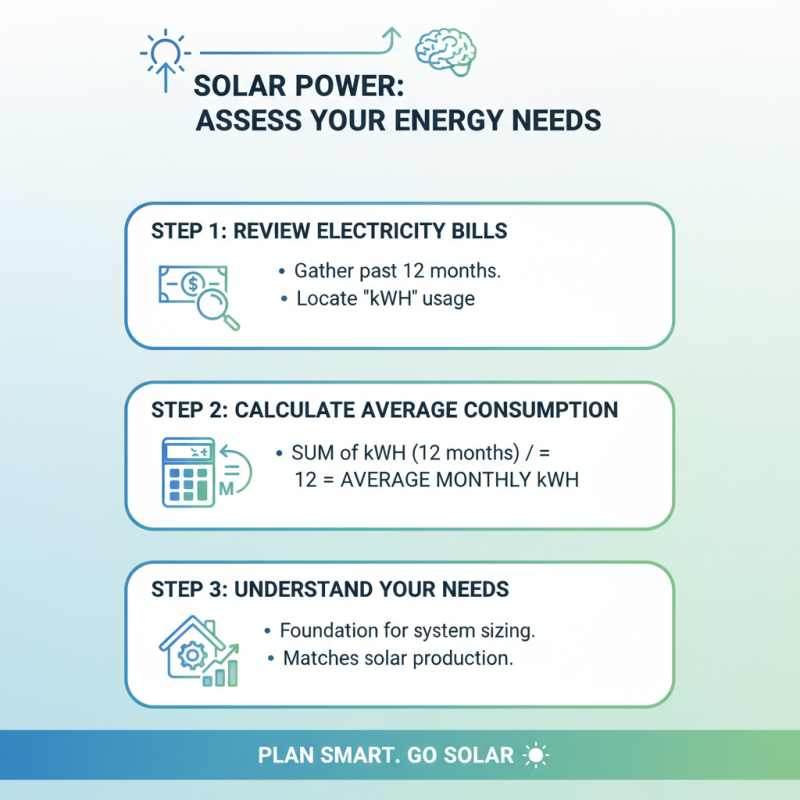
When evaluating the cost and efficiency of solar kits, there are several factors to consider. Begin by assessing your
energy needs. Calculate your average monthly energy consumption.
This will help determine the size and capacity of the solar panel and battery kit you require. It's essential to look at
the wattage of the panels. Higher wattage can mean a more efficient system.
Next, consider the upfront costs versus long-term savings. Look at installation expenses alongside the quality of products.
Cheaper options may lead to poor efficiency. Sometimes spending more
initially can yield better returns in the long run. Be cautious of promotional offers;
they might not always reflect total value.
Battery capacity is another crucial element. Larger batteries store more energy for later use, but they also come with
higher costs. Think about how much power you need during outages or at night. Investigate the efficiency ratings of both
panels and batteries. Less efficient systems may disappoint in performance, especially on cloudy days. It's worth reflecting
on the balance between initial investment and potential energy savings over time. Finding this balance can lead to a
more sustainable energy solution.