Top 10 Benefits of RV Solar Panels for Global Buyers?
As the demand for sustainable living grows, solar energy is becoming essential for RV enthusiasts. RV solar panels present numerous benefits for travelers seeking independence and eco-friendliness. According to industry expert, Dr. Jane Thompson, “Harnessing solar power while on the road transforms the RV experience into a sustainable adventure.”
Solar panels not only reduce reliance on fossil fuels but also enhance the comfort of off-grid living. Travelers can enjoy remote locations without worrying about power sources. The efficiency and longevity of RV solar panels make them a wise investment for both occasional users and full-time nomads. Yet, the initial setup can be daunting. Potential buyers should carefully consider system size and installation options.
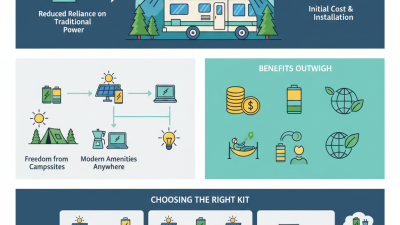
Adding solar panels to an RV can seem overwhelming. It requires a thoughtful approach to budgeting and energy needs. Still, the transition brings rewarding changes. Many find that the freedom of solar energy far outweighs the challenges of installation. Exploring these benefits can help global buyers make informed decisions about RV solar panels.

Understanding RV Solar Panels and Their Functionality
RV solar panels are becoming more popular among travelers. These systems convert sunlight into electricity, providing a reliable power source. They are efficient and reduce reliance on traditional fuel sources. According to industry reports, RV solar panel installations have grown by over 30% annually in the past five years. This shift reflects a broader trend towards sustainable energy options.
Understanding how RV solar panels work is crucial. They typically consist of solar panels, a charge controller, and batteries. Solar panels capture sunlight and convert it into direct current (DC) power. The charge controller regulates battery charging, while batteries store excess power for use when the sun isn't shining. One practical example is finding a solar panel system that can support various devices. Many travelers use these systems to power lights, refrigerators, and electronics.
When considering solar panel systems, think about the roof space available on your RV. Not every RV is equipped for large panels, which can impact the efficiency of your setup. Additionally, not all solar systems are created equal. Some setups may struggle in cloudy weather or for heavy power users. It's important to assess your power needs honestly before investing.
Cost Savings Over Time with RV Solar Energy Solutions
RV solar panels provide a sustainable energy solution for travelers. One of the most significant benefits is cost savings over time. Initially, the investment might seem high. However, the long-term savings on fuel and electrical expenses can be substantial. Many RV owners find they save hundreds each year by harnessing the sun’s energy. This eco-friendly approach reduces reliance on traditional power sources.
Regular maintenance of solar panels is crucial for longevity and efficiency. Clean panels ensure maximum solar exposure. A simple wash every few months can improve energy output. It’s also important to monitor battery health. Over time, batteries can degrade, affecting performance. Replacing them at the right time avoids unexpected costs.
Understanding your energy needs is essential. Calculate how much energy you typically use. This helps in choosing the right solar system size. Research different configurations and setups. Each RV has unique requirements, and one size doesn’t fit all. Consider the role of seasonal travel in your decision-making. Solar energy can greatly enhance your travels while reinforcing your commitment to sustainability.
Environmental Benefits of Using Solar Power in RVs
Using solar power in RVs brings significant environmental benefits that appeal to global buyers. RV solar panels harness sunlight, reducing reliance on fossil fuels. This shift decreases greenhouse gas emissions, contributing to a healthier planet. Additionally, solar panels promote energy independence. RV owners can travel to remote locations while minimizing their carbon footprints.
Solar energy production generates no noise, making it an excellent option for nature lovers. Many RV enthusiasts seek tranquility in natural settings. By utilizing solar panels, they can enjoy peaceful surroundings without disturbing the wildlife. Solar technology also has minimal impact on the environment during installation and operation.
While the advantages are clear, some challenges remain. The efficiency of solar panels can be affected by weather conditions. Overall, investing in solar technology requires careful consideration of specific needs. Balancing the benefits with the realities of solar energy usage fosters a more informed decision-making process for RV owners.
Enhanced Convenience and Independence While Traveling
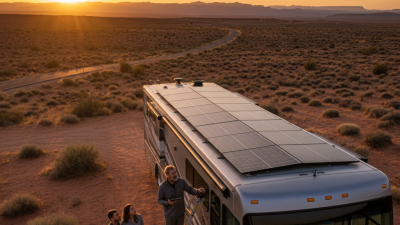
Traveling in an RV offers a unique sense of freedom. With solar panels, this freedom expands significantly. Imagine waking up in a beautiful location, with the sun shining on your panels. You can enjoy your morning coffee while your devices charge without a care for electricity sources. Solar energy allows you to camp off-grid without finding a power hookup.
Convenience goes beyond just electricity. RV solar panels decrease dependency on traditional fuels. You save money on gas and reduce your carbon footprint. This shift promotes sustainable travel. It's rewarding to know that your adventures come at a lower environmental cost. On long trips, the reliability of solar power is essential. There are times when services can be unreliable, and having your own power means greater security.
But there are challenges to consider. Installing solar panels may require initial investment and planning. Understanding your power needs can be complex. You may sometimes deal with cloudy days when energy production is low. These factors require reflection and adjustments to maximize your system. Overall, the benefits of enhanced convenience and independence far outweigh these hurdles.
Top 10 Benefits of RV Solar Panels for Global Buyers
Increased Property Value and Investment in Renewable Energy
Investing in RV solar panels can significantly enhance property value. As more people emphasize sustainability, owning an RV with solar capabilities attracts eco-conscious buyers. Solar panels create a self-sufficient power source. This independence increases the appeal of a recreational vehicle. A solar-equipped RV provides freedom to travel without worrying about fuel costs.
Furthermore, solar installations signal an investment in renewable energy. Many see it as a forward-thinking choice. This commitment can enhance your RV’s marketability. People are becoming more educated about energy efficiency and its benefits. They often prefer vehicles that support environmental sustainability.
However, the initial investment can seem daunting. Potential buyers might hesitate due to costs. Maintenance of the solar system is another consideration. Regular upkeep is essential for optimal performance. While the return on investment can be rewarding, it requires careful planning. Balancing initial costs with long-term savings is crucial for RV owners.
Top 10 Benefits of RV Solar Panels for Global Buyers
| Benefit |
Description |
Investment Value |
Environmental Impact |
| Increased Property Value |
Installing solar panels enhances the resale value of RVs. |
10% - 15% increase |
Reduction in carbon footprint from renewable energy use. |
| Energy Independence |
Solar panels provide self-sufficiency in energy needs. |
N/A |
Less reliance on fossil fuels. |
| Lower Operating Costs |
Reduced costs for electricity and fuel. |
Save up to $500 annually |
Decreased overall emissions. |
| Sustainability |
Supports renewable energy initiatives and sustainability. |
Long-term investment |
Promotes sustainable living. |
| Incentives and Rebates |
Possible tax credits and rebates for installation. |
Variable by region |
Encouraging further investment in renewables. |
| Increased Reliability |
Solar energy is often more reliable than grid power. |
N/A |
Supports grid resilience. |
| Off-Grid Capabilities |
Enables use in remote locations without access to electricity. |
High flexibility |
Supports eco-tourism and outdoor recreation. |
| Maintenance Savings |
Solar systems require minimal ongoing maintenance. |
Low annual costs |
Promotes long-term energy sustainability. |
| Increased Comfort |
Provides consistent power for appliances and electronics. |
N/A |
Improves quality of life on the road. |
| Promotion of Green Technology |
Encourages investment in and transition to green technologies. |
Support emerging markets |
Encourages broader adoption of renewable energy. |